
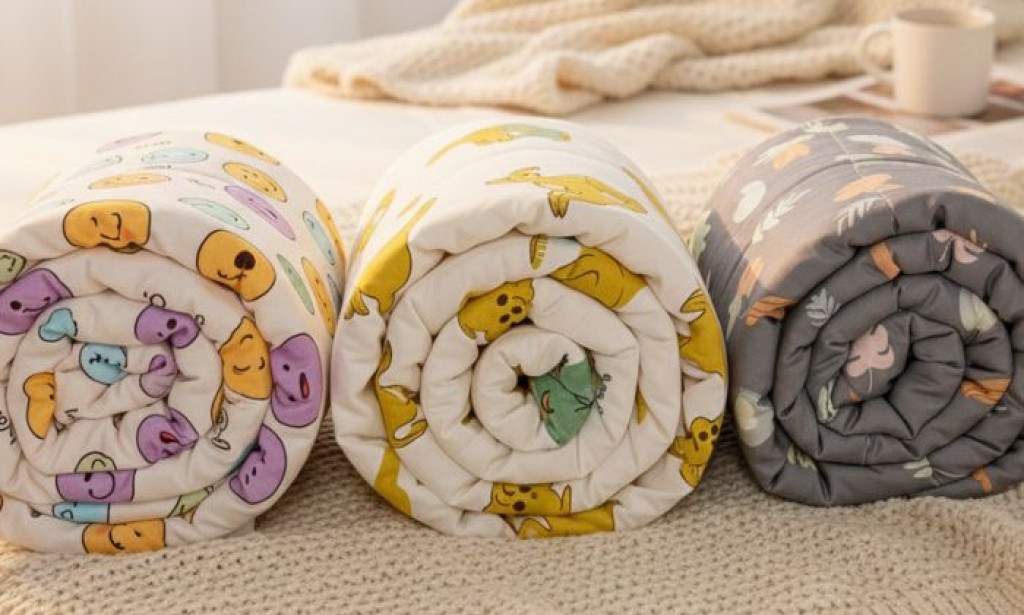
Bedtime struggles are one of the most common challenges parents of sensory-sensitive, autistic, or ADHD children face. Tossing, turning, and difficulty settling down aren't just frustrating for parents; they often reflect a child's nervous system struggling to shift from an alert state into a calm, sleep-ready one. This is where a weighted blanket for kids has become a popular, evidence-informed tool for supporting better sleep and emotional regulation.
What Is a Weighted Blanket and How Does It Work?
A weighted blanket is exactly what it sounds like: a blanket filled with evenly distributed weight, designed to apply gentle, consistent pressure across the body. This pressure mimics the effect of a firm hug or swaddle, activating what's known as deep pressure stimulation (DPS).
The Science Behind Deep Pressure Stimulation
Deep pressure stimulation is believed to help calm the nervous system by encouraging the release of serotonin and melatonin while reducing cortisol, the body's primary stress hormone. For children who struggle with anxiety, sensory overload, or restlessness at bedtime, this shift can make the difference between a stressful bedtime routine and a smooth, settled one.
Who Benefits Most from a Weighted Blanket?
While any child might enjoy the cozy feeling of a weighted blanket, they tend to offer the most noticeable benefits for:
- Children with autism spectrum disorder
- Children with ADHD or anxiety
- Kids with sensory processing differences
- Children who struggle to fall or stay asleep
- Kids who seek deep pressure input, such as enjoying tight hugs or being tucked in firmly
Signs Your Child Might Benefit
Parents often notice their child gravitating toward tight spaces, requesting extra-firm tucking in at night, or feeling calmer after a hug. These preferences can be early indicators that deep pressure input, like that provided by a weighted blanket, may support better regulation.
How to Choose the Right Weighted Blanket for Kids
Not all weighted blankets are created equal, and choosing the right one involves more than picking a fun pattern.
Getting the Weight Right
The most common guideline is choosing a blanket that's around 10% of your child's body weight plus roughly 0.5–1 kg. A blanket that's too heavy can feel restrictive rather than calming, while one that's too light may not provide enough sensory input to be effective. If your child falls between two weight options, it's generally safer to choose the lighter one.
Fabric and Material Considerations
Material matters just as much as weight. Look for:
- Breathable, natural fabrics like organic bamboo or cotton, which help regulate temperature and prevent overheating
- OEKO-TEX® certified materials, which are tested for harmful substances and safe for direct skin contact
- Even weight distribution, so pressure feels calming rather than lumpy or uneven
- machine washable, durable construction for easy everyday care
Age and Size Appropriateness
A weighted blanket for kids should be sized specifically for a child's body, not simply a smaller version of an adult blanket. Age-appropriate sizing ensures the weight is distributed correctly across a smaller frame, rather than concentrated in ways that feel uncomfortable or unsafe.
Building a Complete Sensory Sleep Routine
A weighted blanket for kids works best as part of a broader, consistent bedtime routine rather than as a standalone fix. Pairing it with breathable, sensory-friendly bedding a, calming lighting, and a predictable wind-down routine can reinforce the same message to a child's nervous system: it's time to relax. Many parents also find that combining a weighted blanket with other tactile-friendly bedroom essentials creates a more complete calming environment, rather than relying on just one tool in isolation.
Final Thoughts
For children who struggle to settle at night, a weighted blanket offers a simple, non-medical way to support the body's natural transition into rest. By choosing the correct weight, breathable materials, and age-appropriate sizing, parents can turn bedtime into a calmer, more predictable part of the day. If sleep difficulties persist, it's worth discussing sensory strategies with your child's pediatrician or occupational therapist.
Frequently Asked Questions
How do weighted blankets help kids sleep better?
They apply gentle, even pressure across the body, which is believed to trigger a calming physiological response, helping children settle faster and stay asleep longer.
Is it safe for children to use a weighted blanket every night?
Yes, for most children, weighted blankets are designed for regular nightly use once the correct weight has been selected for their body size.
Can a weighted blanket help with anxiety, not just sleep?
Yes. Many parents and occupational therapists use weighted blankets as part of a broader sensory toolkit to help manage anxiety, not only at bedtime but during calm-down periods throughout the day.
Do occupational therapists recommend weighted blankets?
Weighted blankets are frequently included in sensory diets recommended by occupational therapists, particularly for children with autism spectrum disorder or sensory processing challenges.

You must be logged in to post a comment.