
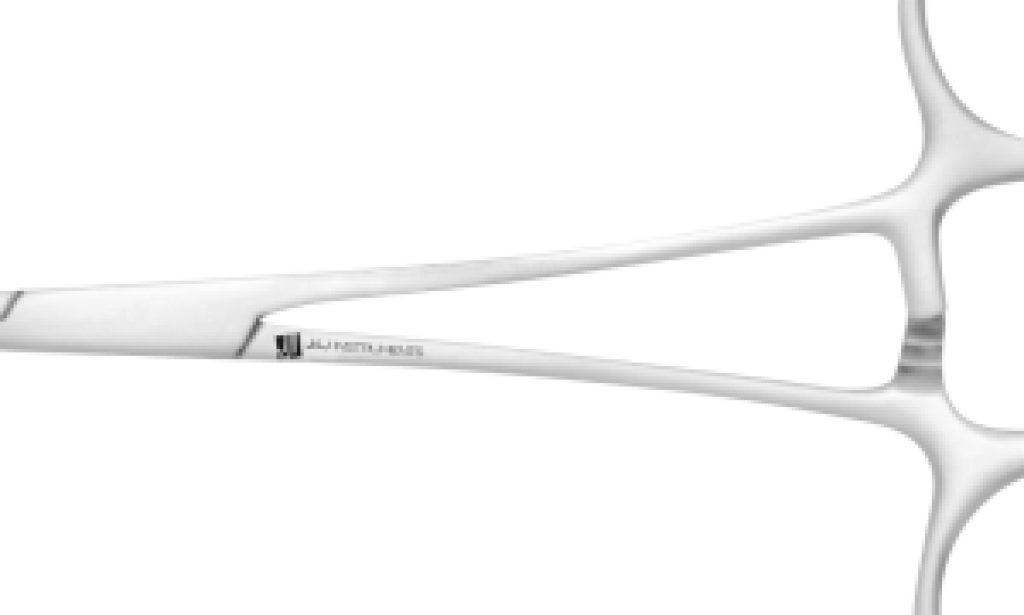
Among all the instruments used in dental and surgical settings, scissors get reached for constantly, and the material used in their cutting edges has a far bigger impact on performance than many clinicians give it credit for. Tungsten carbide surgical scissors have become the go-to option across general surgery, plastic surgery, and dentistry because they stay sharp much longer than ordinary stainless steel and require noticeably less effort to cut through tissue.
What Sets Tungsten Carbide Apart
Tungsten carbide is formed by bonding tungsten with carbon, creating a material that is considerably harder than standard surgical stainless steel. When small carbide inserts are fused into the blades of scissors, the resulting tool resists wear, keeps its edge through extended use, and slices through dense or fibrous tissue rather than crushing it.
This isn't just a manufacturing detail, it has real clinical consequences. A blunt scissor slows a procedure down and pushes the clinician to apply extra force, which raises the risk of tissue trauma and patient discomfort. Scissors with carbide inserts largely eliminate that problem.
Spotting Tungsten Carbide Scissors
Most brands make their carbide instruments simple to recognize. Handles are usually gold-plated, which has effectively become the industry-wide signal for carbide inserts. If you're holding a pair of scissors with a gold handle and silver blades, chances are very high you're looking at a tungsten carbide instrument.
Examining the blade itself offers another clue. Carbide inserts typically show up as a thin strip of differently colored metal fused into the cutting edge near the tip. Lightly dragging a fingernail along a genuine carbide edge will also reveal a sharper, more resistant bite than you'd feel on plain stainless steel.
The Hardness Factor
Tungsten carbide generally falls between 85 and 93 on the Rockwell C scale, while standard surgical stainless steel sits closer to 50 to 58 HRC. That gap directly affects how long the edge holds up between sharpenings and how much stress the blade can take before chipping or going dull.
Where These Scissors Are Used
Tungsten carbide surgical scissors show up frequently in:
- Tissue dissection during general surgery
- Trimming dental gum and soft tissue
- Cutting sutures in busy, high-volume practices
- Plastic surgery work that demands clean, low-trauma incisions
Dental gum scissors fitted with tungsten carbide inserts have become especially popular among periodontists and oral surgeons, since gum tissue calls for a precise, clean cut to support healing afterward.
Picking the Right Pair
When shopping for tungsten carbide surgical scissors, pay attention to:
- Where the insert sits. Make sure the carbide is fused directly into the cutting edge, not just placed near the tip.
- Blade curvature. Curved blades work better for angled or posterior access, while straight blades are ideal for direct cuts.
- Handle comfort. A solid, ergonomic grip cuts down on hand fatigue during longer cases.
- Autoclave compatibility. Verify the scissors can be fully sterilized without weakening the carbide bond.
Wrapping Up
Tungsten carbide surgical scissors are a smart investment for practices that prioritize precision, lower tissue trauma, and fewer replacement purchases over time. Once you know how to spot genuine carbide inserts through their gold handles and edge coloring, narrowing down the right pair gets much easier.
To explore the complete lineup of carbide-enhanced tools, head to Artman Instruments, or check out the Scissors collection to compare tungsten carbide scissors by size, shape, and intended use.

You must be logged in to post a comment.