

High heels are often associated with style and confidence, but their comfort level depends heavily on structure and design rather than appearance alone. Small adjustments in heel width, cushioning, and upper support can make a noticeable difference to how the foot carries weight. Understanding what to look for before purchasing a pair gives you more control over posture and movement, especially during longer wear.
One of the top considerations is heel placement. A supportive shoe positions the heel directly beneath the center of the foot so that the ankle does not need to over correct. When the heel sits too far back, balance becomes harder to maintain. You can often test this by standing still and noticing how steady the shoe feels before taking a step. The more stable the base, the less strain is passed upward through the ankle and calf.
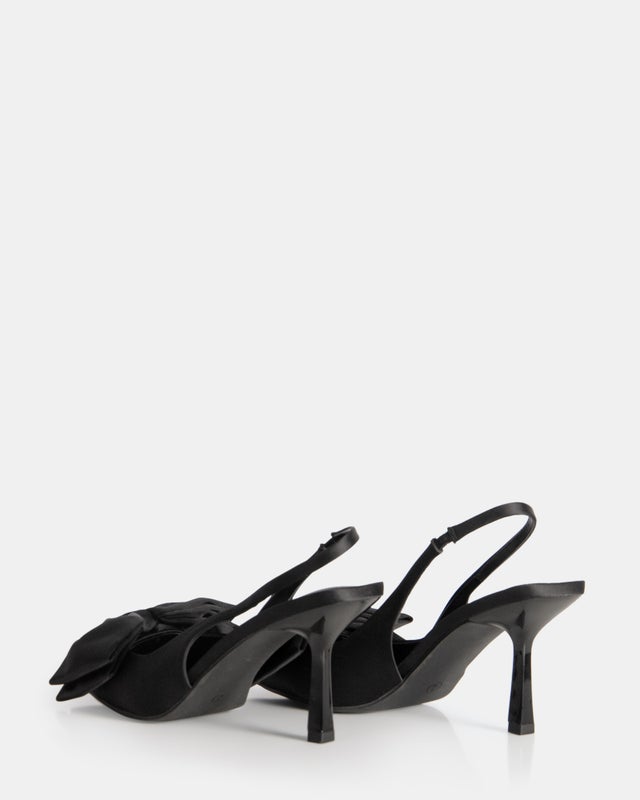
The slope of the arch is another detail that influences comfort. Even when two pairs are the same height, one may feel easier to walk in because the incline is more gradual. A softer slope supports the natural shape of the arch and allows pressure to distribute more evenly across the entire foot. People who experience soreness in the ball of the foot often benefit from shoes with built in cushioning beneath the forefoot.
Toe shape matters as well. A pointed front narrows the toe box and can feel tight on wider feet, while rounded or almond shapes allow a more natural spread of the toes. The front of the shoe should not force the toes together or downward, since this increases rubbing and restricts circulation. Comfort improves when the forefoot is supported without being compressed.
Material choice can also change how supportive a pair feels. Soft, flexible uppers allow the shoe to adapt to the foot’s shape, while rigid materials can limit movement and cause pressure points. Leather or high quality synthetic blends often mold gently to the foot over time, improving fit with repeated wear. Lining is also important, because smooth internal surfaces reduce friction and keep the shoe feeling stable.
The overall width of the heel affects confidence while walking. A wider base provides more contact with the ground and allows natural balance, especially across uneven surfaces. Narrow heels require stronger stabilisation from the ankle muscles. This does not make slim heels uncomfortable for everyone, but it does mean they are better suited for shorter intervals of standing or walking, especially on firm indoor flooring.
Another helpful detail is ankle and midfoot support. Shoes with structured backs or secure straps prevent the foot from sliding forward, which protects the toes from excess pressure. For people who wear sandals in warmer months, a secure fit can make the difference between comfort and instability.
Foot posture during walking plays a role too. Shorter steps keep the centre of gravity aligned and reduce friction inside the shoe. A smooth heel to toe motion allows the upper to support the foot rather than forcing the foot to grip for stability. Some people find that a cushioned insole or metatarsal pad improves posture by creating a softer landing point.
Trying heels on different surfaces during fitting can provide extra insight. A shoe that feels steady on carpet may feel less balanced on a hard tile floor. A reliable pair maintains comfort across both surfaces because the support comes from within the construction rather than from the flooring.
Rotating footwear throughout the week also improves long term comfort. Alternating between moderate heels, slightly higher pairs, and supportive flats allows the muscles of the foot to recover. This prevents overuse strain and keeps alignment natural rather than forced into a single position every day.
Season also plays a part in comfort. Open styles allow air circulation in warmer weather, while closed silhouettes give structure and warmth in cooler months. Choosing according to climate as well as fit provides a more balanced wear experience.
In the end, the most comfortable pairs share similar qualities. They stabilise posture, support the arch, and give the foot adequate space for natural movement. They also encourage proper alignment so that walking feels controlled instead of forced. When chosen thoughtfully, high heels can remain practical as well as stylish. A well fitted high heel supports balance, comfort, and steady movement for everyday confidence.

You must be logged in to post a comment.