
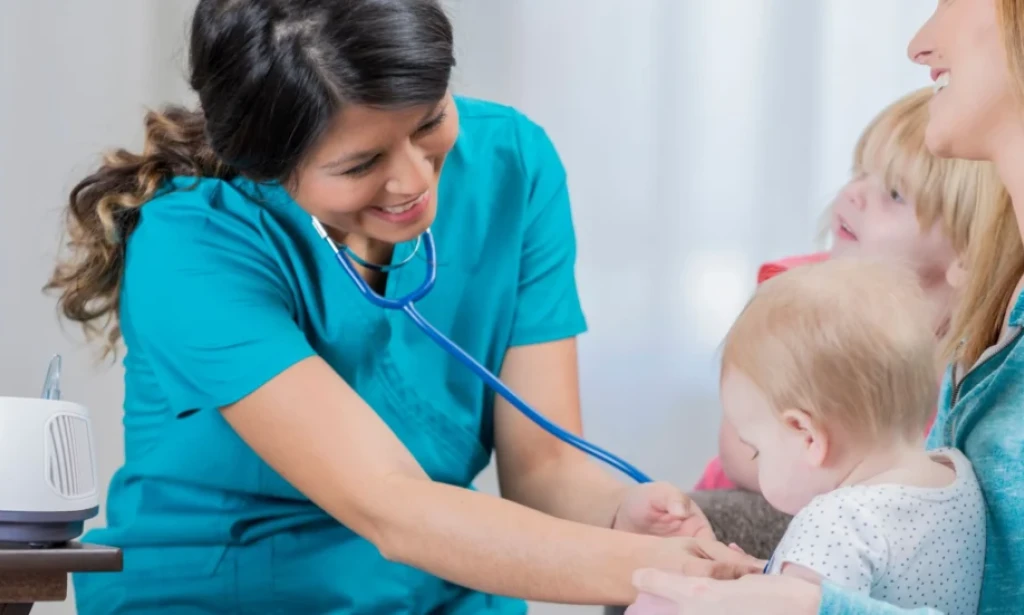
Parents always want their children to stay healthy and safe. However, illnesses and accidents can happen at any time. High fever, breathing problems, allergic reactions, broken bones, or serious injuries may require immediate medical attention. pediatric care focuses on diagnosing and treating infants, children, and teenagers with medical conditions that need professional evaluation. At ER of Forthworth, experienced emergency physicians provide quick diagnosis, advanced treatment, and compassionate care to help children recover as safely and comfortably as possible.
Children often have different medical needs than adults. Their symptoms can develop quickly, and early treatment can prevent complications. Knowing when to seek emergency medical care helps parents make informed decisions during stressful situations.
Why Pediatric Emergency Care Is Important
Children's bodies respond differently to illness and injury compared to adults. Some conditions can become serious within a short time if treatment is delayed.
Emergency pediatric services help by:
- Providing rapid diagnosis
- Managing severe symptoms
- Preventing complications
- Relieving pain quickly
- Offering specialized treatment for children
- Giving parents peace of mind
Prompt medical attention can improve recovery and reduce the risk of long-term health problems.
Common Reasons Children Visit the Emergency Room
Many childhood illnesses and injuries require emergency evaluation.
High Fever
A fever is the body's natural response to infection. While many fevers are harmless, immediate medical attention may be necessary when:
- Fever occurs in newborn babies
- Fever remains very high
- Fever lasts several days
- Child becomes difficult to wake
- Fever is accompanied by seizures
- Child has severe dehydration
Breathing Problems
Breathing difficulties should never be ignored.
Symptoms include:
- Fast breathing
- Wheezing
- Blue lips or face
- Difficulty talking
- Chest pulling inward during breathing
- Severe coughing
These symptoms may result from asthma, infections, allergic reactions, or other respiratory illnesses.
Severe Allergic Reactions
Children can develop sudden allergic reactions to:
- Foods
- Medicines
- Insect bites
- Environmental allergens
Emergency symptoms include:
- Swelling of the face
- Trouble breathing
- Hives over the body
- Vomiting
- Loss of consciousness
Immediate treatment is critical.
Head Injuries
Children frequently fall while playing or participating in sports.
Seek emergency care if your child has:
- Loss of consciousness
- Continuous vomiting
- Severe headache
- Confusion
- Seizures
- Difficulty walking
- Unusual sleepiness
Early evaluation helps detect possible brain injuries.
Broken Bones and Sprains
Falls, sports injuries, and accidents commonly lead to fractures.
Signs include:
- Swelling
- Severe pain
- Inability to move the limb
- Deformity
- Bruising
Emergency imaging helps determine the appropriate treatment.
Cuts and Deep Wounds
Some cuts require more than simple first aid.
Visit the emergency room if:
- Bleeding will not stop
- The wound is deep
- Bone or muscle is visible
- The injury is caused by dirty objects
- Animal bites occur
Proper cleaning and closure reduce infection risk.
Stomach Pain
Abdominal pain can have many causes.
Emergency evaluation may be needed if the child has:
- Severe pain
- Persistent vomiting
- Blood in stool
- Swollen abdomen
- High fever
- Difficulty walking because of pain
Some abdominal conditions require urgent surgery.
Dehydration
Children lose fluids quickly during illness.
Warning signs include:
- Dry mouth
- No tears while crying
- Fewer wet diapers
- Sunken eyes
- Extreme tiredness
- Dizziness
Early treatment restores fluids safely.
Common Childhood Illnesses Treated in the ER
Emergency physicians frequently evaluate:
- Ear infections with severe pain
- Pneumonia
- Bronchiolitis
- Influenza
- COVID-19 complications
- RSV infections
- Severe sore throat
- Dehydration from stomach viruses
- Urinary tract infections
- Skin infections
Each condition requires careful examination to determine the best treatment.
Childhood Injuries That Need Immediate Attention
Children are active and naturally curious, making injuries common.
Emergency care is recommended for:
- Bicycle accidents
- Playground injuries
- Sports injuries
- Burns
- Poisoning
- Electrical injuries
- Near drowning
- Animal bites
- Choking emergencies
Quick treatment helps reduce complications and supports faster recovery.
Diagnostic Services Available
Accurate diagnosis is essential for proper treatment.
Emergency physicians may use:
- Digital X-rays
- CT scans
- Ultrasound
- Blood tests
- Urine testing
- Rapid infection testing
- Oxygen monitoring
- Heart monitoring when needed
These services help identify the cause of symptoms quickly.
Treatment Options
Depending on the child's condition, treatment may include:
- Fever management
- IV fluids
- Oxygen therapy
- Breathing treatments
- Antibiotics
- Pain management
- Wound care
- Splints and casts
- Allergy medications
- Observation and monitoring
Every treatment plan is based on the child's age, symptoms, and overall health.
Tips for Parents During a Medical Emergency
Staying calm can help your child feel safer.
Helpful tips include:
- Keep emergency contact numbers available.
- Bring your child's medication list.
- Know your child's allergies.
- Carry insurance information.
- Do not give medication unless instructed.
- Monitor symptoms carefully.
- Seek emergency care if symptoms worsen.
Being prepared can save valuable time during emergencies.
How ER of Forthworth Supports Families
Medical emergencies can be overwhelming for both children and parents.
At ER of Forthworth, the emergency team focuses on:
- Fast patient evaluation
- Short waiting times
- Modern diagnostic equipment
- Experienced emergency physicians
- Compassionate treatment
- Comfortable environment for children
- Comprehensive emergency services available 24/7
The goal is to provide timely care while helping families feel informed and supported throughout the visit.
When Should You Visit the Emergency Room Instead of Waiting?
Immediate emergency care is recommended if your child experiences:
- Trouble breathing
- High fever in infants
- Severe allergic reactions
- Head injuries
- Broken bones
- Heavy bleeding
- Seizures
- Severe dehydration
- Poisoning
- Loss of consciousness
- Persistent severe abdominal pain
Delaying treatment can increase the risk of complications.
Prevention Tips for Parents
Although emergencies cannot always be prevented, these habits help reduce risks:
- Use appropriate car seats.
- Supervise children during play.
- Keep medicines locked away.
- Childproof the home.
- Encourage helmet use while biking.
- Keep vaccinations up to date.
- Practice proper hand washing.
- Maintain healthy nutrition.
Prevention remains one of the best ways to protect children's health.
Conclusion
Children can become seriously ill or injured much faster than adults, making early medical evaluation extremely important. Recognizing emergency warning signs allows parents to seek treatment before complications develop. Whether your child has difficulty breathing, a high fever, a serious injury, or severe pain, prompt emergency care provides the best opportunity for a full recovery. ER of Forthworth is committed to delivering compassionate, efficient, and comprehensive emergency services that help children receive the medical attention they need when every minute matters.
For more information visit:https://eroffortworthtx.com/services/pediatric-care/

You must be logged in to post a comment.