
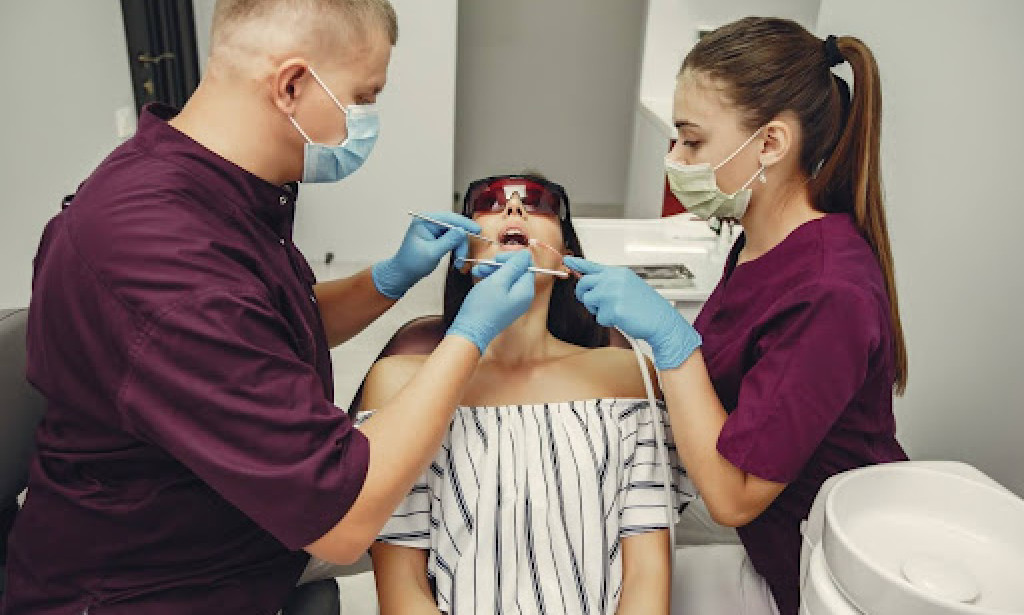
If your dentist recently let you know that you're dealing with advanced gum disease, it's completely normal to feel a little bit of dread. For a long time, the only way to fix deep, infected gum pockets was a surgical procedure involving scalpels, cutting, and stitches. Just thinking about that is enough to make anyone want to cancel their appointment!
The good news is that modern dental technology has totally changed the game. Today, there's a much gentler alternative called LANAP (Laser-Assisted New Attachment Procedure).
LANAP replaces the traditional blade with a super-precise, fiber-optic laser. It turns what used to be a scary surgery into a gentle, micro-invasive treatment. If you're weighing your options, visiting a friendly dental clinic to chat about how they compare can help you feel much more confident about your next steps.
The Mechanical Difference: How Each Surgery Works
To see why laser therapy is such a big win, it helps to know how each method deals with the main problem: those deep pockets of bacteria hiding under your gum line.
Traditional Scalpel Surgery (Flap Surgery)
With traditional surgery, a dental surgeon uses a scalpel to physically cut and pull your healthy gum tissue away from your teeth. They do this to create a "flap" so they can see and manually scrape away the tartar and bacteria built up on the roots.
Once everything is clean, they often have to trim away some of the diseased gum tissue before stretching the rest back over your teeth and securing it with physical stitches.
[Traditional Surgery] ➔ Scalpel cuts healthy gum ➔ Root manual scraping ➔ Tissue trimmed ➔ Stitched closed
The LANAP Protocol (Laser Surgery)
LANAP is different because it doesn't require any cutting of healthy tissue at all. Instead, a specialist gently slides a tiny laser fiber—about the thickness of three human hairs—right into the existing gap between your tooth and gum.
The laser is incredibly smart: it only targets and vaporizes the diseased tissue and bad bacteria, leaving 100% of your healthy, pink gums completely untouched.
[LANAP Protocol] ➔ Laser destroys bacteria ➔ Ultrasonic root cleaning ➔ Laser seals pocket ➔ Zero stitches
After the bacteria are gone, an ultrasonic tool uses gentle sound waves to flush away tartar. Finally, the laser does one more pass to warm the area and create a sticky, natural seal. This helps your gums heal on their own, meaning no artificial stitches are needed!
Comparing the Pain Levels
Worries about pain are the main reason people put off treating gum disease. When you compare these two, the difference in how you'll feel is really night and day.
During the Procedure: Both methods use local anesthesia, so you won't feel a thing while you're in the dental chair.
Post-Operative Pain: This is where things really differ. Traditional surgery is tougher on your mouth because healthy blood vessels and nerves are cut. As the numbing wears off, it's common to have some throbbing pain that might require stronger meds to manage.
The Laser Advantage: Since the LANAP laser doesn't cut and actually seals things up as it moves, there's much less trauma. Most patients just feel a little bit of soreness that's easily handled with a standard ibuprofen.
Clinical Comparison: At a Glance
|
Treatment Feature |
Traditional Scalpel Surgery |
Advanced LANAP Laser Surgery |
|
Surgical Tool Used |
Steel scalpel blade and manual hand scrapers. |
Precision PerioLase MVP-7 fiber-optic laser. |
|
Tissue Preservation |
Healthy tissue is often cut away, causing gum recession. |
100% tissue preservation. Only diseased cells are removed. |
|
Bleeding & Swelling |
Moderate to heavy bleeding; pronounced facial swelling. |
Minimal to no bleeding; highly controlled swelling. |
|
Stitches / Sutures |
Requires multiple stitches that must be removed later. |
Zero stitches. The laser creates a natural fibrin clot seal. |
|
Regeneration Potential |
Focuses on stopping decline; rarely grows new bone. |
FDA-cleared to actively regenerate lost bone and tissue attachment. |
The Recovery Timeline: Downtime and Healing
How much recovery time you need usually depends on how much trauma the surgery caused. Recovering from traditional scalpel surgery can be a bit of a journey. Since the gums were cut, you'll have to stick to very soft foods for two to four weeks to avoid bothering your stitches. You might also notice some swelling or bruising during that first week.
On the other hand, LANAP recovery is incredibly fast. Because there are no open wounds, most people are back to work and their normal routine in less than 24 hours.
[Traditional Recovery] ➔ 2 to 4 weeks of soft foods, swelling, bruising, and stitch removal appointments.
[LANAP Recovery] ➔ Less than 24 hours of downtime; 3 to 11 days of a soft diet to protect the natural seal.
The main goal during LANAP recovery is simply protecting that natural seal the laser created. You'll just need to eat soft foods for a few days and be gentle with brushing and flossing while your body works its magic to reattach the gum tissue naturally.
Choosing the Future of Your Smile
Letting gum disease go untreated doesn't just cause bad breath or bleeding—it can eventually hurt the bone that holds your teeth in place, causing them to loosen.
While traditional surgery works, it can be a bit of a tough experience. By using the gentle power of laser technology, LANAP clears up the infection while being kind to your body. It's a stress-free, virtually painless way to get your healthy smile back.

You must be logged in to post a comment.