
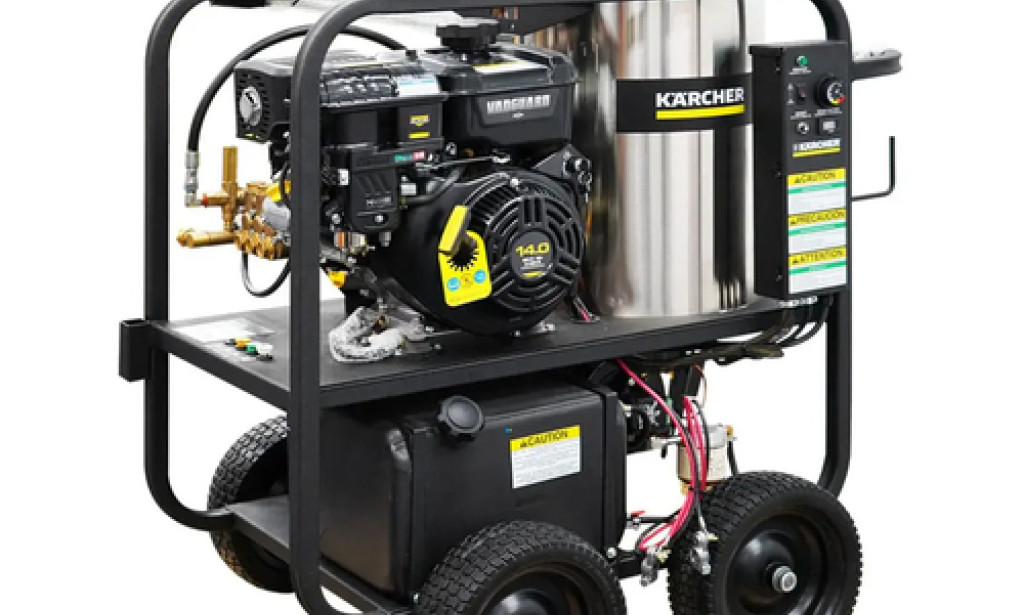
Across Canadian industrial facilities, construction sites, and agricultural operations, equipment accumulates grease, oil, and grime that cold water cannot effectively remove. A hot water pressure washer combines high-pressure spray with heated water to break down petroleum-based residues efficiently. In fleet maintenance yards, food processing plants, and heavy equipment shops, this technology supports sanitation standards and equipment preservation.
Canadian winters present additional cleaning challenges. Cold water pressure washers lose effectiveness when ambient temperatures drop below freezing. Hot water systems maintain cleaning performance year-round, enabling maintenance crews to keep equipment operational regardless of season.
Common Applications and Cleaning Methods
Hot water pressure washers are commonly used for:
- Degreasing engine compartments and chassis components
- Cleaning construction equipment after site work
- Sanitizing food processing machinery
- Removing road salt from fleet vehicles
- Washing farm equipment after harvest
The system heats water using a diesel-fired burner, then pressurizes it through a tri-plunger pump. The combination of heat and pressure emulsifies oils and lifts contaminants from surfaces without harsh chemical detergents. Electric start engines eliminate pull-cord effort in cold conditions.
Cleaning Efficiency and Operational Productivity
Hot water cleans more effectively than cold water because heat reduces the surface tension of water and melts petroleum-based soils. Grease that requires scrubbing with cold water rinses away with hot water alone. This efficiency translates to reduced cleaning time per equipment unit. A fleet manager can process more vehicles per shift with hot water equipment.
Thermal pump saver valves protect internal components from overheating during bypass operation. This design feature extends pump life and reduces maintenance frequency. For facilities cleaning multiple vehicles daily, reduced downtime for equipment repair directly improves maintenance productivity.
Technical Principles and Operational Considerations
The burner system heats water as it passes through a heating coil before reaching the pump. Diesel fuel combustion generates heat transferred to the water through a stainless steel-wrapped coil. The pump then pressurizes the heated water to the rated pressure.
Several factors affect cleaning performance:
- Incoming water temperature
- Burner fuel quality and supply
- Pump inlet water flow rate
- Nozzle selection for task requirements
- Ambient temperature during operation
Operators should use only diesel fuel in the burner to prevent coking and coil damage. The water supply must provide adequate flow to prevent pump cavitation. Nozzle selection balances pressure and flow for specific cleaning tasks.
Safety Guidelines and Operational Best Practices
Safe operation of hot water pressure washers requires attention to several key practices:
- Never direct spray at people or animals
- Allow heating coil to cool before servicing
- Operate only in well-ventilated areas
- Wear thermal gloves when handling hot components
- Engage trigger lock when not spraying
The hot water output can cause severe burns upon contact. Operators should wear appropriate personal protective equipment including gloves and eye protection. Exhaust gases contain carbon monoxide, requiring outdoor operation or adequate ventilation systems. The burner flame detector automatically shuts down the system if combustion is interrupted.
Advantages and Limitations
Advantages of hot water pressure washers include:
- Superior grease and oil removal compared to cold water
- Reduced cleaning time per equipment unit
- Less chemical detergent required
- Year-round operation in freezing conditions
- Extended equipment life through regular sanitation
Limitations to consider:
- Higher initial equipment cost than cold water units
- Diesel fuel storage and handling requirements
- Regular burner maintenance needed
- Heavier construction reduces portability
- Not suitable for indoor use without ventilation
Real-World Application Example
A Canadian construction fleet operator in Alberta maintained dozens of heavy vehicles operating in oil sands environments. Cold water pressure washing left residual oil film on equipment. After transitioning to hot water pressure washers, maintenance crews achieved cleaner surfaces in less time. The fleet reduced chemical detergent consumption by seventy percent. Equipment inspections revealed fewer corrosion issues from trapped contaminants.
Conclusion and Future Outlook
Hot water pressure washer technology continues evolving with improved burner efficiency and reduced emissions. Electronic ignition systems have replaced standing pilot lights, improving safety and fuel economy. As Canadian environmental regulations tighten, future units may incorporate exhaust after-treatment and more efficient heat exchangers.
Facility managers responsible for equipment cleanliness should evaluate hot water systems for any operation where grease removal is critical. The combination of heat and pressure makes these machines essential for maintaining heavy equipment, fleet vehicles, and industrial machinery in optimal condition.

You must be logged in to post a comment.