
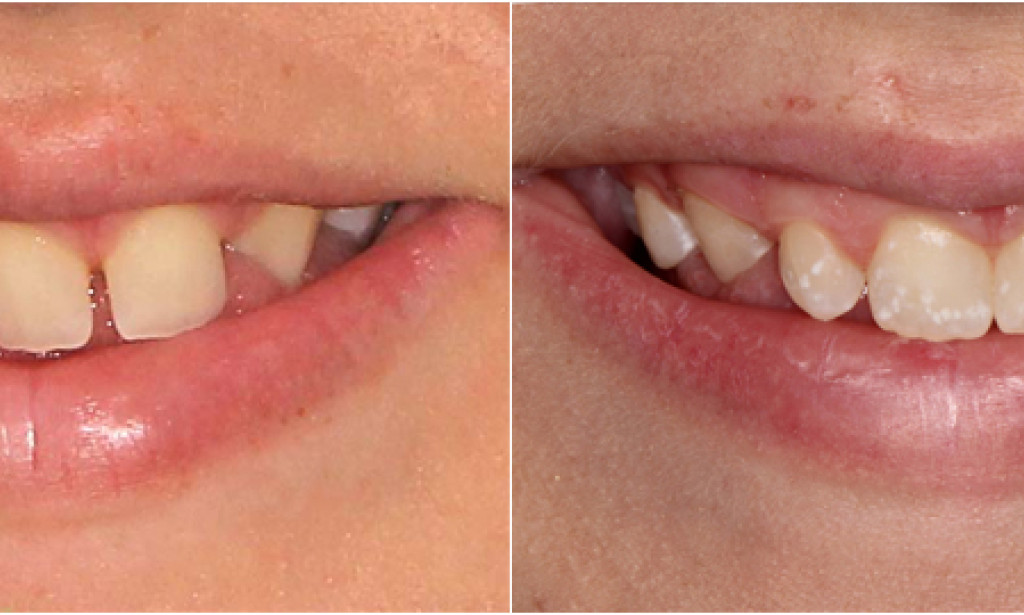
An active lifestyle offers many health benefits, but it also comes with a higher risk of dental injuries. Whether you enjoy recreational cycling, play contact sports, or participate in competitive athletics, accidents can happen unexpectedly. A fall, collision, or impact to the face can damage your teeth, gums, or jaw, making immediate dental care essential.
Emergency dental care plays an important role in treating sports-related injuries quickly and effectively. Prompt treatment not only relieves pain but can also increase the chances of saving a damaged tooth and preventing long-term complications. Knowing how to respond after a dental injury can make a significant difference in your recovery.
Common Sports-Related Dental Injuries
Sports injuries can affect the teeth and surrounding oral tissues in many ways. The severity of the injury depends on the type of sport and the force of the impact.
Some of the most common dental injuries include:
-
Chipped or broken teeth
-
Knocked-out (avulsed) teeth
-
Cracked teeth
-
Loose teeth
-
Lip or tongue injuries
-
Jaw injuries
-
Soft tissue cuts inside the mouth
Even injuries that appear minor should be evaluated by a dentist to ensure there is no hidden damage.
Why Immediate Treatment Matters
Delaying treatment after a sports injury can allow dental problems to become more serious. A cracked tooth, for example, may develop a deeper fracture if left untreated, while an exposed tooth nerve can lead to infection.
Seeking emergency dental care quickly can help:
-
Relieve pain
-
Protect damaged teeth
-
Prevent infection
-
Improve the chances of saving natural teeth
-
Reduce the need for more extensive treatment later
Early intervention often leads to better long-term outcomes.
What to Do If a Tooth Is Knocked Out
A knocked-out permanent tooth is one of the most urgent dental emergencies.
If this happens:
-
Pick up the tooth by the crown, not the root.
-
Gently rinse it with clean water if it is dirty.
-
Avoid scrubbing or removing attached tissue.
-
If possible, place the tooth back into the socket.
-
If reinsertion isn't possible, store the tooth in milk or a tooth preservation solution.
-
Contact an emergency dentist immediately.
Quick action offers the best chance of saving the tooth.
Managing a Chipped or Broken Tooth
A chipped tooth may seem minor, but larger fractures can expose the sensitive inner layers of the tooth.
Until you see the dentist:
-
Rinse your mouth with warm water.
-
Save any broken tooth fragments if possible.
-
Apply a cold compress to reduce swelling.
-
Avoid chewing on the injured side.
Prompt treatment can often restore the tooth using bonding, crowns, or other restorative procedures.
When a Tooth Becomes Loose
A tooth that feels loose after an injury should never be ignored.
Avoid touching or wiggling the tooth and seek professional dental care as soon as possible. Stabilizing the tooth early may improve the chances of preserving it.
Soft Tissue Injuries
Sports accidents may also cause cuts to the lips, cheeks, gums, or tongue.
Minor bleeding can often be managed by:
-
Applying gentle pressure with clean gauze
-
Rinsing with clean water
-
Using a cold compress to reduce swelling
However, deep cuts or heavy bleeding require immediate medical or dental attention.
Protecting Your Smile During Sports
Many sports-related dental injuries can be prevented with the right protective equipment.
A properly fitted mouthguard helps:
-
Cushion impacts
-
Protect teeth from fractures
-
Reduce the risk of knocked-out teeth
-
Minimize injuries to the lips and gums
Mouthguards are especially important for contact sports such as football, basketball, hockey, martial arts, and rugby, but they can also benefit participants in activities like cycling, skating, and gymnastics.
Signs You Should See an Emergency Dentist
Seek immediate dental care if you experience:
-
Severe tooth pain after an injury
-
A knocked-out tooth
-
A cracked or broken tooth
-
A loose tooth
-
Persistent bleeding
-
Swelling around the mouth or jaw
-
Difficulty biting or chewing
Ignoring these symptoms may increase the risk of permanent damage.
Recovery After a Dental Injury
Following your dentist's instructions is essential for proper healing.
Recovery recommendations may include:
-
Eating soft foods
-
Avoiding contact sports until cleared
-
Maintaining good oral hygiene
-
Attending follow-up appointments
-
Wearing a protective mouthguard during future activities
These steps help support healing and reduce the risk of additional injury.
Why Professional Care Matters
Sports-related dental injuries require prompt diagnosis and personalized treatment to protect both oral health and long-term function. At Dublin Metro Dental, patients receive timely care for emergencies involving broken, knocked-out, or injured teeth. Whether you're an athlete or simply enjoy an active lifestyle, an experienced emergency dentist Columbus Ohio can provide the immediate treatment needed to relieve pain, restore damaged teeth, and help you return to your daily activities with confidence.
Final Thoughts
An active lifestyle should not come at the expense of your oral health. While sports injuries cannot always be avoided, knowing how to respond and seeking emergency dental care quickly can make a significant difference in preserving your smile.
By wearing a properly fitted mouthguard, practicing safe habits, and contacting an emergency dentist as soon as an injury occurs, you can reduce complications and improve your chances of a full recovery. Protecting your teeth today helps ensure you can continue enjoying the sports and activities you love with a healthy, confident smile.

You must be logged in to post a comment.