

In today’s digital-first business environment, protecting sensitive information has become a top priority for organizations of all sizes. From customer data to intellectual property, the risks of breaches, unauthorized access, and cyberattacks are increasing daily. Implementing a well-structured data protection program is not only essential for security but also for ensuring compliance with regulations such as GDPR, CCPA, and India’s Digital Personal Data Protection Act (DPDPA). Organizations that fail to protect their data face legal consequences, reputational damage, and significant financial losses.
A robust data protection strategy requires a combination of policies, technologies, employee awareness, and regular updates to counter evolving cyber threats. Additionally, pursuing a data protection certification course can help professionals and organizations develop the knowledge and skills necessary to effectively manage and protect sensitive data.
Understanding the Data Protection Program
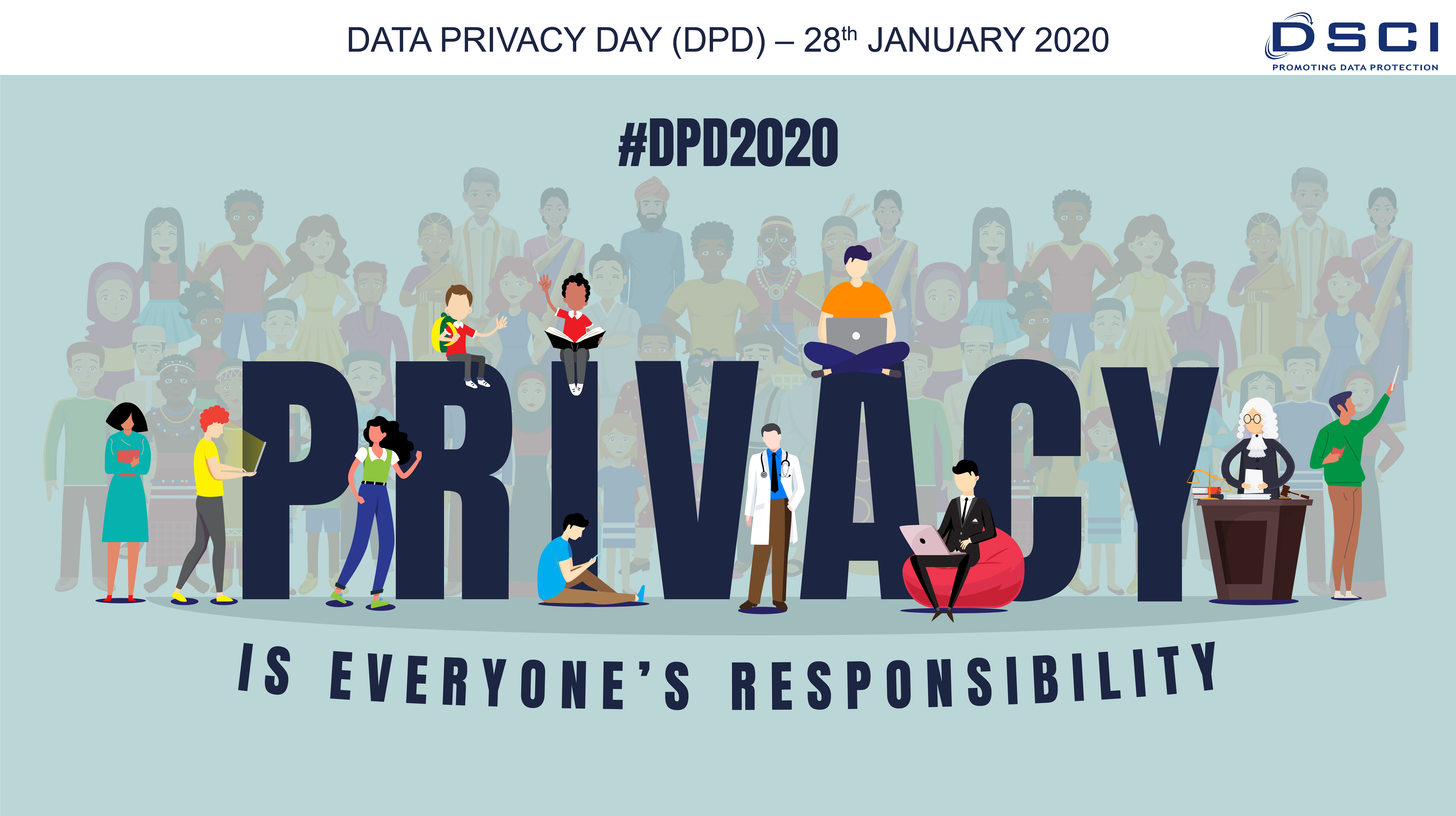
A data protection program is a comprehensive framework designed to safeguard personal and organizational data from unauthorized access, alteration, loss, or destruction. It involves multiple layers of defense, including preventive, detective, and corrective measures.
Key objectives of a data protection program include:
- Ensuring data confidentiality, integrity, and availability.
- Meeting regulatory compliance requirements.
- Protecting customer trust and brand reputation.
- Minimizing the risk of financial and operational disruptions due to cyber incidents.
Best Practices for Implementing a Data Protection Program
Conduct a Data Inventory and Classification
The first step in any effective data protection program is knowing what data you have, where it resides, and its sensitivity level. Classify data—such as public, internal, confidential, and highly sensitive—and implement appropriate protection measures for each.
Establish Clear Data Governance Policies
Data governance defines the rules and responsibilities for handling data. Organizations should develop policies covering data collection, storage, usage, sharing, and disposal. These policies must align with industry regulations and be regularly updated to address new threats and compliance requirements.
Implement Access Control Measures
Not everyone in your organization needs access to all data. Apply the principle of least privilege (PoLP), ensuring employees only access data required for their roles. Use role-based access controls (RBAC) and implement multi-factor authentication (MFA) for enhanced security.
Encrypt Data in Transit and at Rest
Data encryption is a core component of security. Sensitive information should be encrypted when stored on servers and during transmission over networks. This ensures that even if data is intercepted, it cannot be read without the correct decryption key.
Regularly Update Security Infrastructure
Cyber threats evolve rapidly, making it critical to keep your security systems—such as firewalls, antivirus software, and intrusion detection systems—up to date. Regular security patching helps eliminate known vulnerabilities.
Conduct Ongoing Employee Training
Employees are often the weakest link in cybersecurity. A data protection certification course can help create a culture of awareness and responsibility. Training should cover phishing prevention, password hygiene, data handling policies, and incident reporting procedures.
Monitor and Audit Data Access
Implement monitoring tools to track who accesses sensitive data and when. Regular audits help detect unauthorized access, anomalies, and potential breaches before they escalate.
Develop a Data Breach Response Plan
Despite best efforts, data breaches can occur. A well-defined incident response plan ensures quick containment, investigation, and recovery. It should include communication protocols for notifying stakeholders and authorities when required.
Maintain Backups and Disaster Recovery Plans
Data loss can result from cyberattacks, hardware failures, or natural disasters. Maintain regular backups and test your disaster recovery plan to ensure business continuity.
Stay Informed About Evolving Regulations
Regulatory landscapes are constantly changing. Staying updated with local and international data protection laws ensures your data protection program remains compliant.
Compliance and Security: Why They Go Hand in Hand
Security measures protect the data itself, while compliance ensures you meet legal obligations. A strong data protection program integrates both, reducing the risk of fines and improving customer trust. Regulations like GDPR and DPDPA require organizations to implement specific safeguards, maintain transparency, and allow users control over their data.
By integrating compliance requirements into everyday operations, companies not only reduce legal risks but also demonstrate a commitment to ethical business practices. This proactive approach enhances brand reputation and fosters long-term client relationships.
The Role of Data Protection Certification in Strengthening Security
A data protection certification course equips professionals with the knowledge to design, implement, and manage effective security strategies. These courses cover:
- Understanding global and regional data privacy laws.
- Developing risk management strategies.
- Implementing technical controls for data security.
- Conducting privacy impact assessments.
Certification not only boosts individual career prospects but also strengthens an organization’s ability to meet compliance and security goals. Trained professionals are better prepared to respond to evolving cyber threats, ensuring that the company’s data protection program remains effective over time.
Future Trends in Data Protection Programs
As technology advances, data protection will continue to evolve. Key trends shaping the future include:
- AI-Driven Threat Detection – Artificial intelligence can identify suspicious patterns faster, enabling proactive threat mitigation.
- Zero Trust Architecture – Trust nothing, verify everything, reducing the risk of insider threats.
- Privacy-Enhancing Technologies (PETs) – Tools like homomorphic encryption and secure multi-party computation will allow data usage without compromising privacy.
- Automated Compliance Tools – Software that streamlines regulatory reporting and ensures policy enforcement.
Conclusion
Building a strong data protection program is essential for safeguarding sensitive information, ensuring compliance, and maintaining customer trust in the digital age. By implementing best practices such as data classification, encryption, employee training, and continuous monitoring, organizations can significantly reduce their risk exposure. Investing in a data protection certification course for key team members further strengthens this effort by ensuring they possess the expertise to manage security and compliance effectively.
For organizations seeking to enhance their data security posture in line with global best practices, the Data Security Council of India offers valuable guidance, resources, and training programs to help businesses protect their digital assets and maintain regulatory compliance.

You must be logged in to post a comment.