
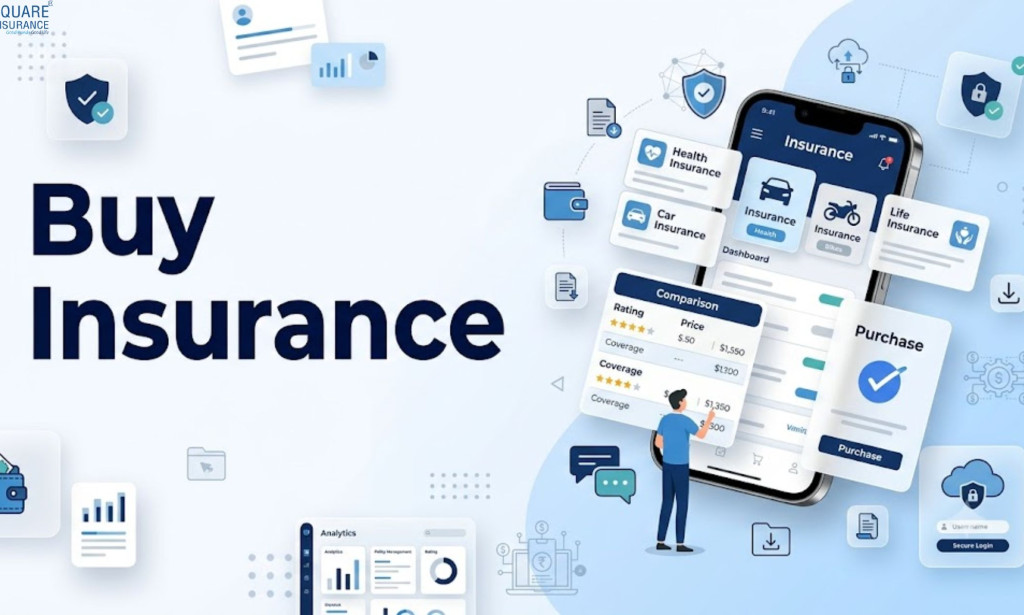
Insurance has always been about protection, but the way people access that protection has changed dramatically over the last few years. Long queues, endless paperwork, and confusing policy jargon are slowly becoming a thing of the past. Today, more people prefer to buy insurance through mobile applications that simplify the entire process, from comparing plans to making the final payment. This shift is not just a trend; it reflects how technology has reshaped the insurance industry into something faster, more transparent, and far more customer-friendly than it used to be.
Insurance apps have made it possible for anyone with a smartphone to explore policies, understand coverage details, and complete purchases within minutes. Whether it is health insurance, motor insurance, life insurance, or travel insurance, these apps bring every option to a single screen. For busy professionals, homemakers, students, and even senior citizens, this convenience has changed how insurance decisions are made. Let's take a closer look at why using apps to purchase insurance has become the preferred choice for millions of policyholders.
1. Convenience of Buying Anytime, Anywhere
One of the biggest advantages of insurance apps is round-the-clock accessibility. There is no need to visit a branch office or wait for business hours. A person can browse policies late at night, during a lunch break, or while travelling. This flexibility removes the time constraints that traditional insurance buying once involved, making the entire experience far more adaptable to everyday life.
2. Easy Comparison of Multiple Policies
Insurance apps typically display multiple plans from different providers side by side. Users can compare premiums, coverage benefits, claim settlement ratios, and add-on options without jumping between websites or calling multiple agents. This transparency helps buyers make informed decisions rather than relying solely on an agent's recommendation, which may sometimes be biased toward a particular product.
3. Simplified and Paperless Process
Gone are the days of filling out lengthy forms and submitting physical documents. Insurance apps allow users to upload documents digitally, verify identity through e-KYC, and complete the entire purchase process without a single sheet of paper. This not only saves time but also reduces the chances of errors that often occur with manual form filling.
4. Instant Policy Issuance
Speed is another major benefit. Many insurance apps offer instant policy issuance once the payment is completed. Buyers receive their policy documents directly on the app or via email within minutes, eliminating the waiting period that used to stretch for days or even weeks in traditional processes.
5. Better Price Transparency
Insurance apps often display the complete premium breakdown, including taxes and add-on costs, before the final purchase. This transparency helps users understand exactly what they are paying for, without hidden charges appearing later. It also builds trust between the insurer and the policyholder.
6. Easy Access to Policy Documents
Once a policy is purchased through an app, all documents are stored digitally and can be accessed anytime. There is no risk of losing physical copies, and renewals become much easier since reminders are usually built into the app itself. This digital storage also makes it convenient during claim settlement, as documents can be retrieved instantly.
7. Simplified Claims Process
Filing a claim through an app is generally quicker and more straightforward than traditional methods. Many apps allow users to upload claim documents, track the status in real time, and communicate directly with the insurer's support team. This reduces the confusion and delays that were once common with paper-based claim procedures.
8. Personalized Recommendations
Modern insurance apps use data inputs like age, health history, income, and lifestyle to suggest suitable policies. This personalization helps buyers choose coverage that actually fits their needs instead of opting for generic plans that may not offer adequate protection.
9. Secure Digital Payments
Payment security is a major concern for anyone making financial transactions online. Insurance apps generally come with encrypted payment gateways, multiple payment options, and secure authentication methods, giving users confidence while completing their purchase.
10. Reduced Dependency on Agents
While agents still play an important role in guiding customers, apps reduce the pressure of relying entirely on them for every small step. Buyers can independently research, compare, and purchase policies, giving them more control over their financial decisions.
Frequently Asked Questions
Q1. Is it safe to buy insurance through a mobile app?
Yes, most insurance apps use encrypted payment gateways and secure verification methods, making the process safe for policyholders.
Q2. Can I compare different insurance plans on the same app?
Many insurance apps allow users to compare premiums, coverage, and benefits of multiple policies before making a final decision.
Q3. How long does it take to get a policy after purchasing it on an app?
In most cases, policy documents are issued instantly or within a few minutes after successful payment and verification.
Q4. Do I need to submit physical documents while buying insurance through an app?
No, the entire process is usually paperless, with document uploads and e-KYC verification done digitally.
Q5. Can I file an insurance claim directly through the app?
Yes, most apps offer claim filing features along with real-time tracking of the claim status.
Q6. Are premiums lower when buying insurance through an app compared to offline methods? Premiums may vary depending on the insurer, but apps often provide better price transparency, helping buyers understand the exact cost involved.
Conclusion
Buying insurance through mobile apps has genuinely simplified how people protect themselves and their families. From easy comparisons to instant policy issuance and simplified claims, the entire experience has become more transparent and user-friendly. Platforms like Square Insurance are helping bridge this gap further by offering a seamless digital experience for policyholders who want convenience without compromising on reliability. As more people continue to embrace digital solutions, insurance apps are likely to become the standard way of securing coverage rather than an alternative option.

You must be logged in to post a comment.