
A single wet season, a heavy programming schedule, or a stretch of dry months can turn a well-kept field into a patchy, uneven liability.
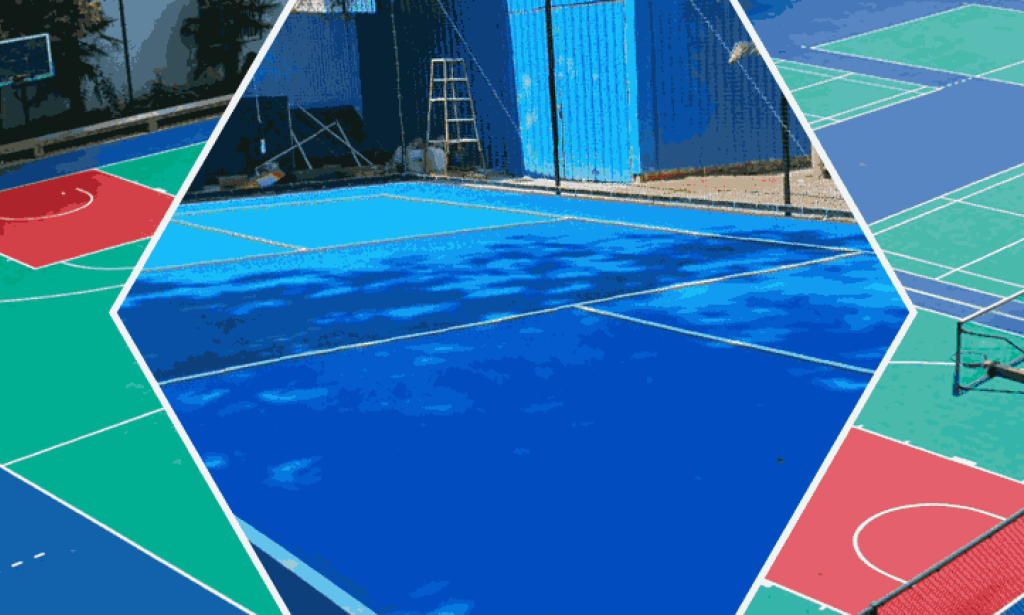
That shift in thinking is exactly why multisport turf sports surface projects have picked up pace across schools, housing societies, and commercial sports complexes. The right synthetic surface doesn't just plug a maintenance gap - it changes what a facility is capable of.
Plays Host to Multiple Sports Without Compromise
Running a single facility across football, hockey, basketball, and rugby sounds complicated. With artificial sports turf, it isn't, as the surface is built from the specification up to handle different footwear, different ball types, and different lateral movement patterns without degrading under any of them.
Pile height, stitch density, and fibre structure are all calibrated to stay consistent across sport types rather than optimising for one at the expense of others. For any operation juggling mixed programming across age groups or disciplines, that single-surface flexibility means higher court hours and a tighter, more defensible investment case.
Built to Handle Relentless Use and Variable Weather
There's a meaningful difference between recreational synthetic turf and commercial-grade synthetic sports turf - and it shows the moment either one goes under pressure. A proper commercial installation is spec'd to absorb daily sessions, back-to-back bookings, and seasonal weather without the surface compacting, fibres flattening, or backing delaminating.
PE fibre construction at 71,500 stitches per square metre with reinforced backing doesn't give way over a season or two. The performance window on a well-made installation stretches across years, not months, which matters when facilities are committing serious capital.
Delivers Consistent Player Performance and Safety
How a surface behaves determines how players move on it - and whether they stay healthy doing so. Grip that cuts out mid-sprint, ball roll that doesn't match what a player expects, or a surface that absorbs impact inconsistently across different zones all carry injury risk. Sports court turf engineered for competitive use addresses this with predictable traction, repeatable ball response, and shock absorption built into the surface system rather than left to chance. That consistency matters just as much at training level as it does in a match environment - players build habits on the surfaces they practice on.
Cuts Long-Term Maintenance Costs Substantially
Natural grass maintenance compounds quietly. Irrigation, mowing schedules, seasonal reseeding, fertiliser programmes, drainage repairs after heavy rain - each line item seems manageable in isolation but together they represent a recurring operational cost that never really goes away. Synthetic sports turf removes most of it.
No watering, no mowing, no replanting, no specialist groundskeeping contractors showing up on a weekly cycle. Routine upkeep reduces to periodic brushing and the occasional infill top-up. Spread that saving across five or ten years and the cost differential between natural and synthetic becomes a genuinely compelling part of the business case.
Supports Year-Round Availability
A natural grass pitch after three days of rain is a closed pitch. That's a booking cancelled, a training session lost, or a fixture postponed. A well-installed multisport turf sports surface with proper sub-surface drainage doesn't work that way. Water clears through the system, and the court stays available. For schools running daily PE schedules, for clubs with back-to-back weekend fixtures, and for commercial facilities protecting paid court time, that reliability isn't a nice-to-have - it's core to how the operation functions.
Reduces Environmental Impact Over Time
Irrigating natural grass in an urban setting draws consistently from local water supply across the full growing season. Eliminating that alone removes a meaningful environmental cost. Beyond water, synthetic surfaces also cut out the pesticide and herbicide applications that go into maintaining natural grass, reducing chemical runoff into surrounding soil and drainage infrastructure.
A responsibly manufactured artificial surface, running without irrigation or chemical treatment across its full lifespan, carries a lower cumulative environmental footprint than a natural pitch under comparable use.
How to Choose the Right Multisport Turf for Your Facility
Multi-use labelling covers a wide range of actual products, and they don't all perform equally across sport types. The specification that matters includes pile height - 15mm is standard for most multisport applications - turf gauge, stitch rate, backing construction, and fibre material and dtex rating. Colour variant is worth thinking through early too: royal blue, terracotta red, and dark or light green each affect how court lines read and how the facility presents overall. The right supplier will match product specification to actual use load rather than defaulting to a single product for every brief.
What a Professional Installation Actually Involves
A quality surface underperforms on a poor base. Sub-base preparation - grading, compaction, drainage layer construction - is the work that determines whether a turf installation holds its performance over time or starts creating problems within a season or two.
Professional installation runs from site assessment through sub-base build, turf laying, seaming, infill distribution, and final surface checks. Every stage affects the result. Shortcuts at base level show up as drainage failures, surface irregularities, and early wear - problems that cost more to fix than they would have cost to prevent.
Conclusion
The argument for quality artificial sports turf is straightforward once you work through the numbers and the operational reality. Multi-sport capability, all-weather availability, consistent playing performance, and a maintenance overhead that stays manageable over years - these aren't incremental improvements over natural grass, they're structural ones.
Get premium solutions built to the specifications that serious multi-use facilities actually need, with full installation services from ground preparation through to final handover.
You must be logged in to post a comment.