

8 Common Gym Mistakes That Are Killing Your Progress
You show up. You put in the work. So why does the scale, the mirror, or your lifting numbers refuse to budge?

Trainers see the same handful of mistakes derail progress again and again — for total beginners and gym regulars alike. The frustrating part is that none of these require more time or effort to fix. They just require doing things slightly differently.
Here are the eight most common culprits, and the practical fix for each.
1. Training Without a Structured Plan
Walking into the gym and deciding what to do on the spot feels flexible, but it almost always leads to stagnation. Without a plan, there's no way to apply progressive overload — the single biggest driver of strength and muscle gains.
The fix: Follow a structured program suited to your goal, and keep a simple training log. If you can't remember what weight you lifted last week, you can't know whether you're actually improving.
2. Skipping the Warm-Up
Heading straight into heavy lifts or high-intensity work feels efficient, but tight muscles and stiff joints increase injury risk and reduce performance in the workout itself.
The fix: Spend 5–10 minutes on dynamic movement before training. It's not wasted time — it directly improves how much you can lift and how safely you move.
3. Doing "Too Much, Too Soon"
Motivation is a great start, but going from zero to training intensely five days a week almost always backfires. The body needs time to adapt to new stress, and overreaching this way often leads to burnout, injury, or quitting altogether within weeks.
The fix: Build volume and intensity gradually over several weeks. Three to four sessions per week is a strong, sustainable starting point for most goals.
4. Chasing Novelty Instead of Consistency
Program-hopping — switching workouts every few weeks because of boredom or a new trend — feels productive but prevents your body from adapting to any single stimulus long enough to see real change.
The fix: Commit to one structured program for at least 8–12 weeks before changing anything. Progress often shows up right when people are tempted to switch.
5. Using the Same Weight Every Session

If your working weight hasn't changed in months, neither has your body. Comfort feels safe, but muscle and strength are built specifically through progressive overload — gradually increasing weight, reps, or difficulty over time.
The fix: Track your lifts, and aim to add small increases — even one pound — regularly. Small, consistent increases compound significantly over months.
6. Underestimating Nutrition
You can train perfectly and still stall if your eating habits don't support your goal. Under-eating is especially common among people trying to build muscle while also "staying lean," leaving the body without enough fuel to recover and grow.
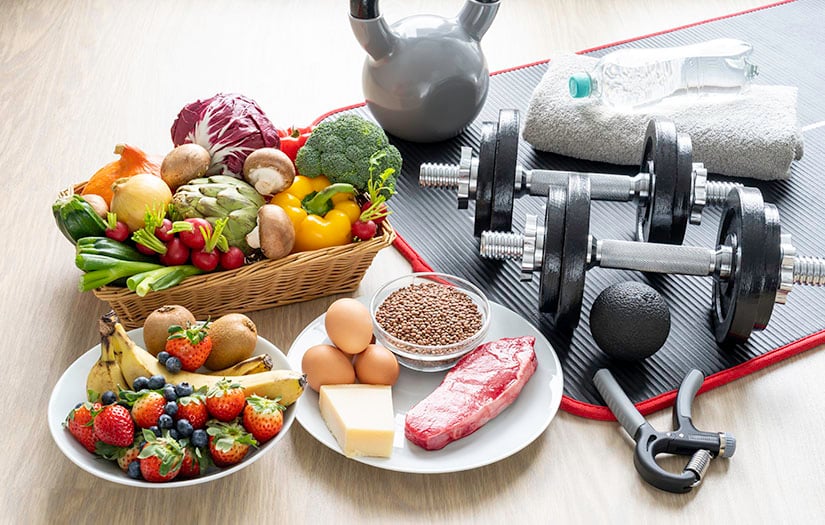
The fix: Match your nutrition to your specific goal — a slight calorie surplus for muscle gain, adequate protein for recovery, or a modest deficit for fat loss. If your weight hasn't shifted in months despite consistent training, your food intake is the first place to look. For a deeper dive, see our guide on how much protein you actually need to build muscle.
7. Neglecting Recovery
Training hard every single day without rest days doesn't accelerate progress — it often reverses it, by not giving muscles time to repair and adapt.
The fix: Build at least one to two rest or active-recovery days into your weekly schedule. Progress happens during recovery, not just during the workout itself. Not sure what a rest day should actually look like? Our guide on active recovery workouts you can do at home has practical options.
8. Overestimating Calories Burned During Exercise

Many people significantly overestimate how many calories a workout burns, then unintentionally offset that "earned" deficit by eating more afterward — quietly stalling fat-loss goals despite consistent gym attendance.
The fix: Treat workout calorie estimates (from machines or apps) as rough guides, not precise numbers, and focus on consistent nutrition habits rather than "eating back" exercise calories.
Quick Reference: Progress-Proofing Your Training
- ✅ Follow a structured, trackable program
- ✅ Warm up for 5–10 minutes every session
- ✅ Increase intensity gradually, not all at once
- ✅ Stick with one program for 8–12 weeks
- ✅ Progressively increase weight or reps
- ✅ Match nutrition to your specific goal
- ✅ Take 1–2 rest days weekly
- ✅ Don't overestimate calories burned
Frequently Asked Questions
Why am I not seeing results even though I train consistently? The most common causes are lack of progressive overload (same weights every session), inadequate nutrition, or insufficient recovery — not lack of effort.
How long should I stick with one workout program before switching? Most trainers recommend at least 8–12 weeks, which is long enough to see measurable strength or body composition changes and apply progressive overload effectively.
Is more training always better for faster results? No. Beyond a certain point, additional training without adequate recovery and nutrition typically stalls progress rather than accelerating it.
The Bottom Line
Gym progress rarely stalls because of a lack of effort — it stalls because of a handful of fixable habits around structure, recovery, and nutrition. Correct these eight, and the same amount of gym time will start producing very different results.

You must be logged in to post a comment.