
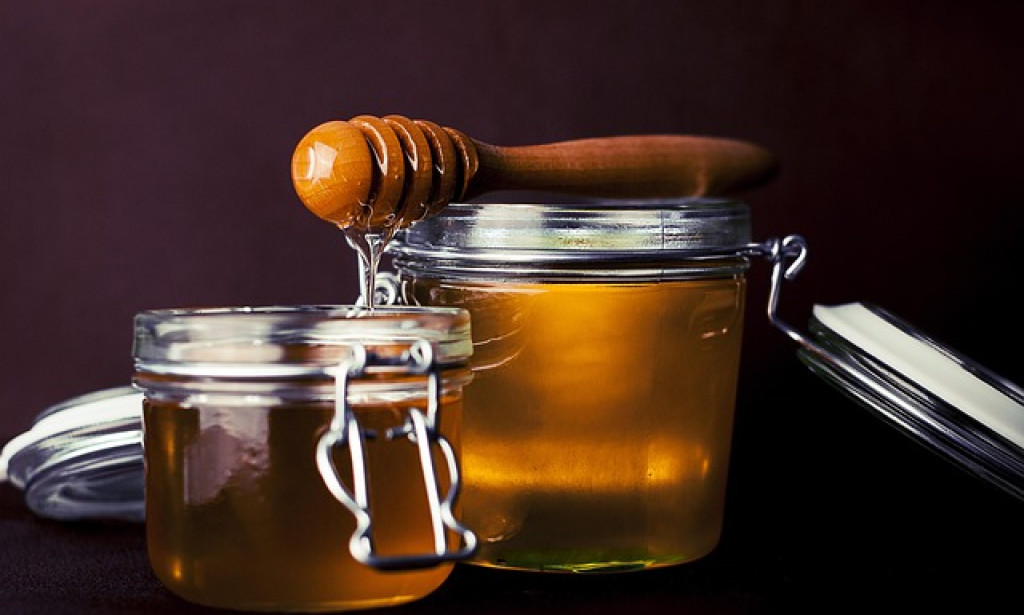
Honey has long been valued as a natural sweetener, but in recent years, consumers in Singapore have become more careful about the quality of the honey they buy. Labels like “pure,” “natural,” and “raw” are everywhere, yet not every jar truly contains 100% pure honey.
Some commercial honey products may contain added sugar syrups, undergo excessive processing, or have unclear sourcing. This has increased the demand for cleaner honey products with no additives, no artificial ingredients, and minimal pesticide exposure.
If you want genuine honey that retains its natural nutrients and flavour, understanding how to identify authentic honey is important. This guide explains what pure honey really means and the key signs to look for before buying honey in Singapore.
What Is 100% Pure Honey?
Pure honey refers to honey collected naturally by bees from flower nectar without dilution, artificial flavouring, or added sweeteners. Authentic honey should contain only one ingredient: honey.
According to the Singapore Food Agency (SFA), consumers should buy food products, including honey, from reliable and traceable sources to reduce safety risks and ensure quality. The SFA also advises caution when purchasing honey from unknown origins online or in overseas markets.
Pure honey is valued because it naturally contains:
- Antioxidants
- Natural enzymes
- Trace minerals
- Amino acids
- Antibacterial properties
However, these beneficial compounds can be reduced when honey is overheated, heavily filtered, or mixed with sugar syrups.
Why Honey Adulteration Is a Growing Concern
Honey is considered one of the world’s most commonly adulterated food products. Some manufacturers may mix honey with cheaper ingredients such as corn syrup, glucose syrup, or rice syrup to reduce production costs.
Consumers may unknowingly purchase products that look like honey but lack the natural nutritional properties of authentic honey.
This issue has made transparency more important than ever. Buyers today are paying closer attention to sourcing, production methods, and ingredient labels before purchasing honey products.
Signs of Pure Honey: Buying Guide for Singapore Consumers
1. The Ingredient List Contains Only One Ingredient
The simplest way to identify pure honey is to check the label carefully.
Authentic honey should list only:
Ingredient: Honey
Avoid products containing:
- Glucose syrup
- Corn syrup
- Artificial flavouring
- Added sugar
- Caramel colouring
- Preservatives
If the label uses vague terms like “honey blend” or “honey product”, it may not be fully pure.
2. Pure Honey Often Crystallises Naturally
Many people mistakenly believe crystallised honey is spoiled. In reality, crystallisation is often a sign of natural, minimally processed honey.
Raw honey naturally contains pollen and glucose, which can cause it to become cloudy or grainy over time.
Highly processed or diluted honey tends to remain unnaturally smooth and liquid for long periods.
Crystallisation does not mean the honey is bad. Placing the jar in warm water can return it to a liquid form.
3. Authentic Honey Has a Natural Floral Aroma
Pure honey usually carries a mild floral scent, depending on the flowers visited by the bees.
Different honey varieties may smell fruity, woody, herbal, or floral.
Artificial or fake honey may smell overly sugary or have little natural aroma at all.
4. Real Honey Is Thick and Dense
Pure honey typically flows slowly and smoothly because of its natural density.
Adulterated honey mixed with water or syrups may appear too watery, excessively runny, foamy, or overly transparent.
Texture alone is not enough to confirm authenticity, but it can provide useful clues.
5. Transparent Sourcing Matters
Trustworthy honey brands usually provide clear sourcing information, including the country of origin, floral source, harvest region, and beekeeping practices.
Look for honey brands that openly explain how their honey is harvested and processed. Transparency helps consumers make informed decisions.
6. Be Cautious of Extremely Cheap Honey
Producing genuine honey requires time, healthy bee colonies, and proper harvesting methods. Because of this, authentic honey is rarely extremely cheap.
Very low-priced honey products may indicate dilution with sugar syrup, heavy processing, or low-quality sourcing.
While price alone does not guarantee quality, unusually cheap honey should raise caution.
7. Choose Honey With Minimal Processing
Raw or minimally processed honey generally retains more of its natural properties.
Look for labels such as “raw honey”, “unpasteurised honey”, or “cold-filtered honey”.
Excessive heat processing can reduce beneficial enzymes and antioxidants naturally found in honey.
Are Home Honey Tests Reliable?
Many online articles recommend home methods such as the water test, flame test, or thumb test.
While these tests may offer basic clues, experts note that they are not always scientifically reliable.
The most dependable way to assess honey quality is still:
- Buying from reputable suppliers
- Checking ingredient transparency
- Looking for proper sourcing information
- Choosing trusted brands with quality testing
Why Pesticide-Free Honey Matters
Consumers today are increasingly looking for honey produced with cleaner farming and ethical beekeeping practices.
Honey sourced from healthy environments with responsible beekeeping may reduce the risk of contamination from pesticides, antibiotics, or environmental pollutants.
Brands that focus on sustainable and ethical beekeeping often place greater emphasis on hive health and natural harvesting methods.
Conclusion
Finding 100% pure organic honey in Singapore requires a discerning eye that looks beyond attractive packaging claims. True, unadulterated honey should be a natural product, meaning it contains no additives, no artificial sweeteners, and has undergone minimal processing to preserve its natural enzymes and nutrients. Additionally, the best honey producers prioritise traceable sourcing and ethical harvesting practices, ensuring the well-being of the bees and the integrity of their product. This means you should be able to know where your honey comes from and feel confident that it was collected sustainably.

Not all honey sold as ‘pure’ is actually pure.
Before buying your next bottle, check these simple signs to avoid added sugar, artificial ingredients, and low-quality honey. Which tip surprised you the most?
You must be logged in to post a comment.