
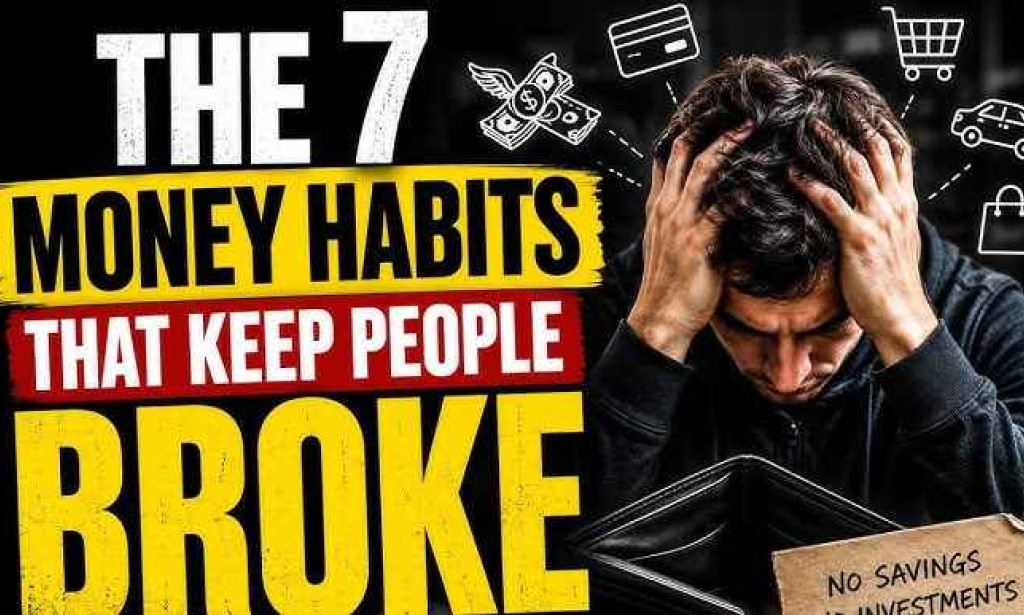
7 Money Habits That Are Secretly Keeping You in Debt
You're not reckless with money. You pay your bills, you don't buy anything wildly extravagant, and yet your credit card balance never quite disappears. If that sounds familiar, the problem usually isn't one big mistake — it's a handful of small, invisible habits running quietly in the background of your financial life.

Here are seven of the most common ones, backed by what financial experts consistently flag as the biggest debt traps in 2026, along with a practical fix for each.
1. Saving Whatever Is "Left Over"
This is the single most common habit financial coaches point to. You get paid, cover rent, bills, and groceries, and tell yourself you'll save whatever's left. The problem: there's rarely anything left.
The fix: Flip the order. The moment your paycheck lands, automatically move a fixed percentage — even just 10% — into savings first. Pay your future self before anyone else gets a cut.
2. Treating "Buy Now, Pay Later" as Free Money
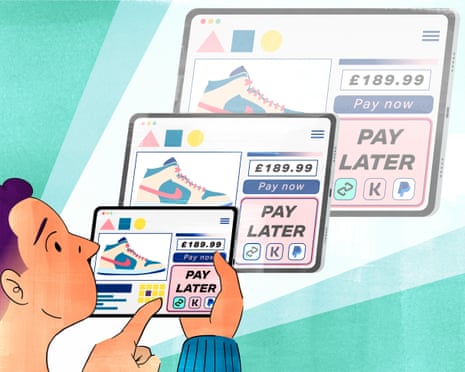
Buy Now, Pay Later services have quietly expanded from splurge purchases into everyday essentials like groceries and gas. Splitting a payment into four doesn't make it cheaper — it just hides the total cost and makes it easier to stack multiple plans without noticing how much you actually owe.
The fix: Treat BNPL exactly like a credit card. Ask yourself if you'd still buy the item paying the full amount today. If not, don't split it either.
3. Only Paying the Minimum on Credit Cards
With average credit card interest rates well above 20%, a minimum payment often barely dents the interest, let alone the principal. A $1,000 balance can take a decade to pay off this way, quietly costing far more than the original purchase.
The fix: Prioritize paying off your highest-interest card first (the "avalanche method"), and pay more than the minimum whenever possible — even an extra $20 makes a measurable difference over time. If your balances feel overwhelming, our guide on how to get out of credit card debt with no extra income breaks this down step by step.
4. Subscription Amnesia
Streaming services, apps, and delivery memberships pile up quietly, often draining hundreds of dollars a month without you registering it — because the charges are automated and easy to forget.
The fix: Do a subscription audit once a quarter. Cancel or rotate services instead of running six or seven simultaneously — many people keep one or two active at a time and switch based on what they're actually using that month.
5. Spending to Keep Up Appearances

Lifestyle inflation — upgrading your phone, car, or wardrobe to match what you see on social media — is one of the most consistent debt drivers, especially for younger earners feeling pressure to "keep up."
The fix: Remind yourself that real financial security is quiet. It looks like a healthy savings account, not a closet full of things bought to impress people who forget about them the next day.
6. Avoiding Your Finances Until Something Goes Wrong
Many people only check their accounts when a payment bounces or a bill surprises them. Reacting instead of monitoring keeps you perpetually behind.
The fix: Set a recurring weekly or biweekly "money check-in" — 15 minutes reviewing spending, upcoming bills, and account balances. Consistency, not intensity, is what actually builds financial control over time.
7. Skipping the 24-Hour Rule on Non-Essential Purchases

Impulse purchases — especially online, where checkout takes seconds — add up fast and are rarely regretted in the moment, only afterward.
The fix: For any non-essential purchase, wait 24 hours before buying. If you still want it the next day and it fits your budget, go for it. Most of the time, the urge fades.
Once you've tackled these habits, the next step is usually building a real budget. See our guide on the 50/30/20 budgeting method explained for a simple framework to start with.
Quick Reference: Debt-Breaking Habit Checklist
- ✅ Save first, spend what's left — not the other way around
- ✅ Treat BNPL like real debt
- ✅ Pay more than the minimum on high-interest cards
- ✅ Audit subscriptions quarterly
- ✅ Resist lifestyle inflation
- ✅ Weekly money check-ins
- ✅ 24-hour rule on impulse buys
Frequently Asked Questions
What's the fastest way to start getting out of debt? Start with one habit, not all seven at once. Financial coaches consistently note that trying to overhaul everything simultaneously leads to burnout; focus on one change for 30 days before adding the next.
Does paying off high-interest debt matter more than saving? Generally yes — if your credit card APR is above 20%, paying it down offers a better "return" than most savings accounts, though it's still wise to keep a small emergency buffer.
Can subscription and BNPL habits really impact my credit? Yes indirectly — missed BNPL payments and high credit utilization from stacked small debts can both affect your credit score, even if each individual charge feels small.
The Bottom Line
Nobody falls into debt because of one bad decision — it's almost always a stack of small, repeated habits. Fix these seven, one at a time, and you'll likely notice more breathing room in your budget well before your balance hits zero.

You must be logged in to post a comment.