
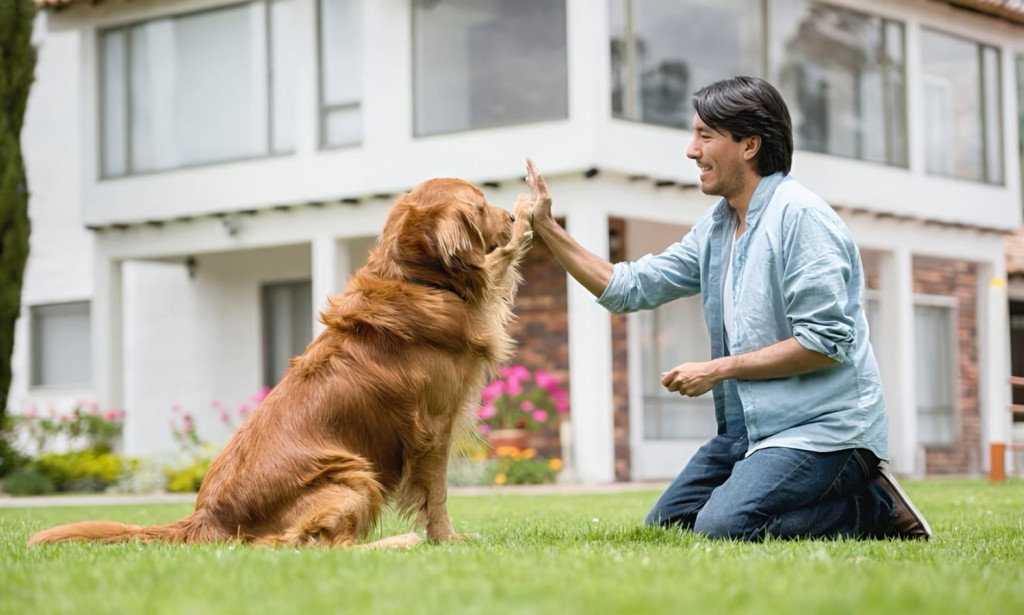
Many new owners worry that accidents will continue for months. The good news is that with consistency, patience, and the right routine, most puppies learn quickly. At Perfect K9, we believe that positive guidance and clear communication are the foundation of successful training. Whether you are a first-time dog owner or welcoming another puppy into your family, these simple tips can make the journey easier.
1. Start Puppy Toilet Training from Day One
The best time to begin puppy toilet training is as soon as your puppy arrives home. Puppies learn through repetition, so creating a routine early helps them understand what is expected.
Take your puppy to the same toilet area:
- First thing in the morning
- After meals
- After drinking water
- After naps
- After playtime
- Before bedtime
Using the same location every time helps your puppy associate that area with going to the toilet. Praise them immediately after they finish so they connect good behaviour with positive rewards.
2. Follow a Consistent Daily Schedule
Dogs love routine, especially young puppies. Feeding your puppy at regular times each day makes it easier to predict when they will need to go outside.
A consistent schedule reduces accidents because you know when your puppy is likely to need a toilet break. Avoid leaving food available all day, as unpredictable eating often leads to unpredictable toilet habits.
When working on puppy potty training, consistency is one of the biggest factors that determines success. Every family member should follow the same routine and use the same commands.
3. Watch for Signs That Your Puppy Needs to Go
Puppies usually show clear signals before they need to relieve themselves. Learning these signs allows you to act before an accident happens.
Common signs include:
- Sniffing the floor
- Walking in circles
- Suddenly stopping play
- Whining
- Moving towards the door
- Looking restless
As soon as you notice these behaviours, calmly take your puppy to their toilet area. The quicker you respond, the easier puppy toilet training becomes.
Never wait until your puppy has already had an accident before reacting. Timing is everything.
4. Reward Good Behaviour Immediately
Positive reinforcement is one of the most effective training methods. Whenever your puppy uses the correct toilet area, reward them straight away.
Rewards can include:
- Gentle praise
- A favourite treat
- Playtime
- Affection
The reward should happen within a few seconds so your puppy understands exactly what they did correctly.
Avoid punishment for accidents inside the house. Puppies are still learning, and punishment often creates confusion or fear instead of better behaviour. Instead, quietly clean the area and continue following your routine.
At Perfect K9, we encourage owners to focus on rewarding success rather than correcting mistakes. This creates a more confident puppy and a more enjoyable learning experience.
5. Be Patient and Stay Consistent
Every puppy learns at their own pace. Some understand puppy toilet training within a few weeks, while others may need more time. Factors such as age, breed, previous experiences, and daily routine all play a role.
There will likely be accidents along the way, and that is completely normal. What matters most is staying patient and keeping your training consistent.
If accidents happen:
- Clean the area thoroughly.
- Do not punish your puppy.
- Return to your regular toilet schedule.
- Supervise your puppy more closely.
- Continue rewarding successful toilet trips.
Remember that learning takes repetition. Your calm and positive attitude helps your puppy feel secure and confident throughout the process.
Extra Tips for Better Results
Along with your daily routine, these additional habits can make puppy potty training even smoother:
- Keep your puppy in a supervised area when indoors.
- Use a crate correctly if crate training is part of your routine.
- Limit unsupervised access to large parts of the house.
- Take your puppy outside immediately after exciting activities.
- Keep toilet trips calm and distraction-free.
These simple habits reduce opportunities for accidents while helping your puppy build reliable toilet habits.
Common Mistakes to Avoid
Many owners unintentionally slow down puppy toilet training by making a few common mistakes.
Avoid:
- Changing toilet locations frequently.
- Feeding at different times every day.
- Waiting too long between toilet breaks.
- Punishing accidents.
- Expecting overnight success.
Consistency is much more effective than strict correction. Puppies learn best when expectations remain clear every day.
Build Lifelong Good Habits
Successful puppy toilet training is about much more than preventing accidents. It helps your puppy develop confidence, understand household routines, and build trust with their family. Every successful toilet trip reinforces good habits that can last throughout your dog's life.
At Perfect K9, we know that every puppy learns differently, but patience, routine, and positive reinforcement remain the keys to success. By staying consistent and encouraging every small achievement, you can make puppy potty training a positive experience for both you and your puppy.
With daily practice and the right guidance, your puppy will soon understand exactly where to go, helping you enjoy a cleaner home and a happier companion for years to come.

You must be logged in to post a comment.