
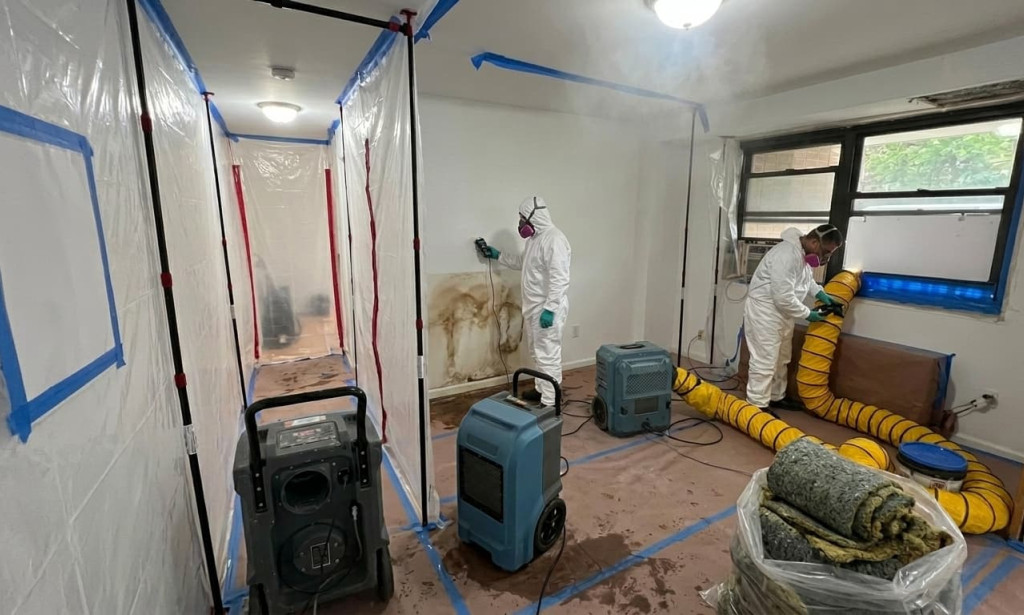
Water damage is not always obvious. In many New Jersey homes, moisture can hide behind walls, under flooring, inside ceilings, and around plumbing systems for weeks or even months before homeowners notice a problem. By the time visible signs appear, the damage may already be affecting your home's structure, indoor air quality, and overall value.
If you suspect a leak or moisture issue, recognizing the warning signs early can help prevent costly repairs. Professional Residential Water Damage Restoration in New Jersey becomes much more effective when damage is identified before it spreads throughout the property.
This guide explains the five most common signs of hidden water damage, why they occur, and what homeowners should do when they spot them.
Why Hidden Water Damage Is a Serious Problem
Water is one of the most destructive elements a home can face. According to the insurance industry, water damage and freezing are among the most common causes of homeowner insurance claims in the United States.
Unlike flooding, hidden water damage often develops slowly. A small plumbing leak, roof issue, or appliance malfunction can continuously introduce moisture into building materials. Over time, drywall, insulation, wood framing, flooring, and ceilings absorb water and begin to deteriorate.
The longer the moisture remains untreated, the greater the risk of:
-
Structural damage
-
Mold growth
-
Wood rot
-
Electrical hazards
-
Higher repair costs
-
Reduced property value
Understanding the warning signs can help you act before a minor issue turns into a major restoration project.
Sign #1: Musty Odors That Won't Go Away
One of the earliest indicators of hidden water damage is a persistent musty smell.
Why Does This Happen?
When moisture becomes trapped inside walls, under carpets, or above ceilings, it creates the perfect environment for mold and mildew growth. Even before mold becomes visible, it can produce a distinctive damp or earthy odor.
If you notice a musty smell that remains despite cleaning, air fresheners, or ventilation, hidden moisture may be present somewhere in your home.
Areas Where Odors Commonly Develop
-
Basements
-
Crawl spaces
-
Bathrooms
-
Laundry rooms
-
Under sinks
-
Behind drywall
-
Around HVAC systems
A lingering odor often signals a moisture problem that requires professional inspection and water damage repair services.
Sign #2: Stains and Discoloration on Walls or Ceilings
Water stains are among the most recognizable signs of concealed water damage.
What Water Stains Look Like
Hidden leaks often create:
-
Yellow or brown rings
-
Dark patches
-
Peeling paint
-
Bubbling drywall
-
Uneven discoloration
These stains appear when water travels through building materials and leaves behind minerals and contaminants as it evaporates.
Common Causes
Several issues can cause water stains inside New Jersey homes:
-
Roof leaks
-
Damaged flashing
-
Burst pipes
-
Plumbing leaks
-
Faulty appliances
-
Window leaks
Even a small stain can indicate a larger problem hidden behind walls or above ceilings. Professional moisture detection equipment can identify the source before additional damage occurs.
Sign #3: Warped Floors and Damaged Flooring Materials
Your flooring can reveal hidden water damage long before leaks become visible elsewhere.
Hardwood Flooring Warning Signs
Wood naturally expands when exposed to moisture. Excess water can cause:
-
Buckling
-
Cupping
-
Warping
-
Cracking
-
Soft spots
These changes often develop gradually and may first appear in isolated sections of a room.
Laminate and Vinyl Flooring Symptoms
Moisture beneath laminate or vinyl flooring can cause:
-
Lifting edges
-
Surface bubbles
-
Separation between planks
-
Uneven flooring
Homeowners sometimes assume these issues are caused by age or installation problems when hidden water intrusion is actually responsible.
Why Immediate Action Matters
Once flooring materials absorb significant moisture, replacement may become necessary. Early intervention through professional water extraction services and structural drying can often save affected materials and reduce restoration costs.
Also Read: How to Choose the Best Water Damage Restoration Service in NJ
Sign #4: Peeling Paint, Bubbling Walls, or Soft Drywall
Walls frequently show signs of moisture problems before homeowners discover the source.
How Water Affects Walls
Drywall is highly absorbent. When moisture accumulates behind it, several symptoms may appear:
-
Paint peeling from the surface
-
Wallpaper separating from walls
-
Bubbling or blistering paint
-
Soft or spongy drywall
-
Crumbling wall material
These conditions indicate that moisture has likely been present for an extended period.
Hidden Leaks Often Responsible
Water may be entering through:
-
Leaking plumbing lines
-
Roof penetrations
-
Window frames
-
Exterior wall cracks
-
HVAC condensation issues
Because the source is often concealed, homeowners should avoid simply repainting affected areas. Without addressing the underlying moisture problem, the damage will continue to worsen.
Sign #5: Unexpected Increase in Water Bills
Not all water damage creates visible symptoms right away.
Sometimes the first sign is a sudden increase in your monthly water bill.
Why Water Bills Rise
A hidden plumbing leak can waste thousands of gallons of water over time.
According to the U.S. Environmental Protection Agency (EPA), household leaks can waste significant amounts of water annually if left unrepaired. Even a small pipe leak behind a wall can continuously release moisture into surrounding materials.
Additional Signs of Hidden Plumbing Leaks
Watch for:
-
Running water sounds when fixtures are off
-
Reduced water pressure
-
Damp areas around walls
-
Wet spots beneath cabinets
-
Warm areas on floors
If your water usage has increased without any change in household habits, scheduling a leak detection inspection is a smart next step.
Areas Most Vulnerable to Hidden Water Damage in New Jersey Homes
Certain areas of the home are more susceptible to moisture issues than others.
Basements
New Jersey experiences seasonal rain, snow, and groundwater fluctuations that can affect basement foundations.
Basements are particularly vulnerable to:
-
Foundation cracks
-
Groundwater seepage
-
Sump pump failures
-
High humidity levels
Bathrooms
Frequent water use makes bathrooms a common location for hidden damage.
Potential causes include:
-
Leaking toilets
-
Shower pan failures
-
Pipe leaks
-
Faulty caulking
Kitchens
Appliances and plumbing connections create multiple opportunities for water intrusion.
Common sources include:
-
Dishwashers
-
Refrigerators
-
Sink plumbing
-
Water filtration systems
Attics
Roof leaks often begin in attics before becoming noticeable inside living spaces.
Regular inspections can help identify issues before significant damage occurs.
The Connection Between Water Damage and Mold Growth
One reason hidden water damage should never be ignored is the risk of mold.
Industry standards from organizations such as the Institute of Inspection Cleaning and Restoration Certification (IICRC) emphasize rapid drying after water intrusion because mold can begin developing within 24 to 48 hours under favorable conditions.
Mold growth can affect:
-
Indoor air quality
-
Building materials
-
Personal belongings
-
Home value
Signs of mold-related issues may include:
-
Persistent musty odors
-
Visible mold spots
-
Increased allergy symptoms
-
Respiratory irritation
Professional moisture control and restoration services help minimize these risks.
What Happens During Professional Water Damage Restoration?
When hidden water damage is discovered, restoration specialists follow a structured process.
Inspection and Moisture Detection
Technicians use advanced tools such as:
-
Moisture meters
-
Thermal imaging cameras
-
Hygrometers
These tools help locate moisture hidden behind surfaces.
Water Extraction
Standing water is removed using commercial-grade extraction equipment.
Structural Drying
Industrial air movers and dehumidifiers remove moisture from:
-
Walls
-
Floors
-
Ceilings
-
Structural framing
Cleaning and Sanitization
Affected areas are cleaned to reduce contamination risks and prevent mold growth.
Repairs and Restoration
Damaged materials are repaired or replaced to restore the property to its pre-loss condition.
This comprehensive approach ensures moisture is eliminated rather than simply covered up.
How Homeowners Can Prevent Hidden Water Damage
While not every leak can be prevented, routine maintenance can significantly reduce risks.
Consider the following practices:
-
Inspect roofs annually
-
Clean gutters regularly
-
Monitor water bills for unusual increases
-
Check appliances for leaks
-
Inspect plumbing connections
-
Maintain proper drainage around foundations
-
Test sump pumps before storm seasons
Preventive maintenance is often far less expensive than major restoration work.
Protect Your Home Before Small Leaks Become Major Problems
Hidden water damage rarely fixes itself. Small leaks can gradually compromise walls, flooring, insulation, and structural components while creating conditions for mold growth. Recognizing warning signs such as musty odors, water stains, warped flooring, bubbling walls, and unexplained increases in water bills can help homeowners take action before repairs become more extensive.
If you suspect moisture issues in your home, the professionals at NSH Home Services provide expert Residential Water Damage Restoration in New Jersey, leak detection, water extraction, structural drying, and restoration services. Prompt attention can help protect your property, preserve indoor air quality, and prevent costly long-term damage.

You must be logged in to post a comment.