
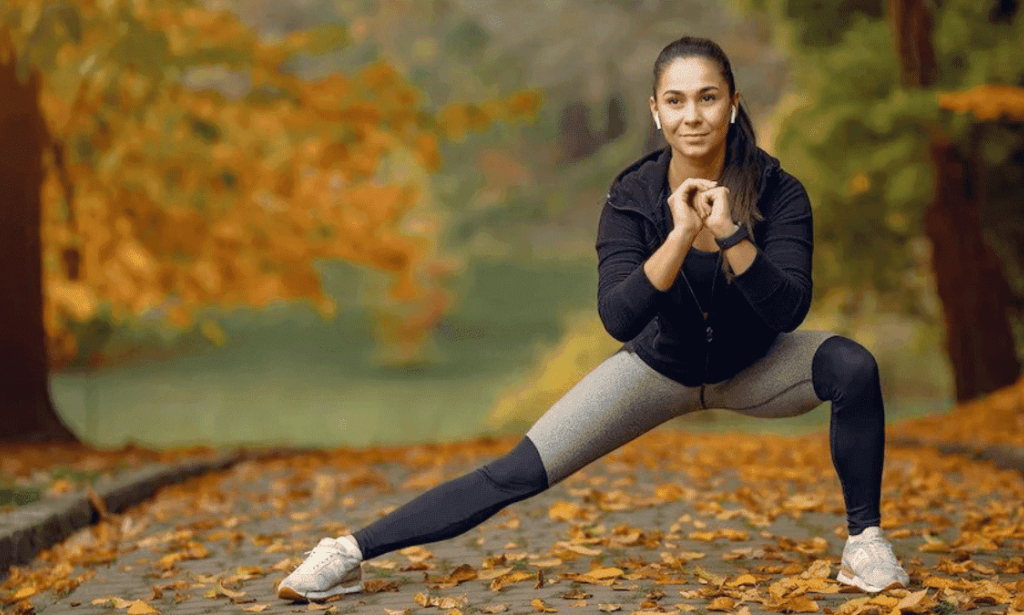
Many amateur athletes dedicate countless hours to strength training, cardio workouts, and sport-specific drills. However, one critical component of athletic performance is often overlooked: mobility training. Ignoring mobility can lead to restricted movement, reduced performance, slower recovery, and a higher risk of injuries.
The truth is that even athletes who are strong and fit can struggle with poor movement patterns caused by tight muscles and limited joint range of motion. That's why understanding The Top 5 Mobility Exercises Every Amateur Athlete Neglects can make a significant difference in overall athletic performance.
Whether you're a runner, cyclist, football player, basketball enthusiast, or weekend warrior, incorporating these exercises into your routine can help you move better and perform at your best.
Why Mobility Matters for Athletes
Mobility is more than just flexibility. While flexibility refers to muscle length, mobility involves the ability of a joint to move freely through its full range of motion with control.
Benefits of mobility training include:
-
Improved athletic performance
-
Better movement efficiency
-
Reduced injury risk
-
Enhanced recovery
-
Increased strength potential
-
Better posture and body mechanics
Unfortunately, many athletes focus on training harder rather than moving better.
What Happens When Mobility Is Neglected?
Poor mobility can affect almost every aspect of athletic performance.
Common consequences include:
-
Limited movement patterns
-
Compensatory muscle imbalances
-
Joint discomfort
-
Reduced power output
-
Increased injury likelihood
-
Slower recovery between workouts
This is why coaches and sports performance specialists increasingly emphasize mobility work alongside traditional training.
1. World's Greatest Stretch
Why Athletes Neglect It
Despite its popularity among mobility experts, many amateur athletes skip this exercise because it looks simple and doesn't feel as challenging as strength work.
Benefits
The World's Greatest Stretch targets multiple areas simultaneously:
-
Hip flexors
-
Hamstrings
-
Thoracic spine
-
Groin muscles
-
Shoulders
This makes it one of the most efficient full-body mobility drills available.
How to Perform It
-
Start in a lunge position.
-
Place both hands on the ground.
-
Rotate your upper body toward the front leg.
-
Reach one arm toward the ceiling.
-
Return and repeat on both sides.
When discussing The Top 5 Mobility Exercises Every Amateur Athlete Neglects, this exercise often tops the list because of its versatility.
2. Deep Squat Hold
Why Athletes Avoid It
Many athletes struggle to maintain a proper deep squat position due to ankle, hip, or lower back restrictions. As a result, they often avoid practicing it altogether.
Benefits
A deep squat hold improves:
-
Ankle mobility
-
Hip flexibility
-
Core stability
-
Lower-body movement mechanics
These benefits directly support running, jumping, lifting, and change-of-direction movements.
How to Perform It
-
Stand with feet shoulder-width apart.
-
Lower into a deep squat.
-
Keep your chest upright.
-
Hold the position for 30–60 seconds.
-
Focus on breathing and maintaining balance.
3. Thoracic Spine Rotations
Why Mobility in the Upper Back Is Important
Athletes often focus heavily on hips and legs while neglecting the thoracic spine.
Limited upper-back mobility can negatively affect:
-
Running form
-
Throwing mechanics
-
Shoulder health
-
Rotational power
Benefits
Thoracic rotations help:
-
Improve posture
-
Increase rotational mobility
-
Reduce shoulder strain
-
Enhance sports performance
In many discussions about The Top 5 Mobility Exercises Every Amateur Athlete Neglects, thoracic mobility is frequently overlooked despite its importance.
How to Perform It
-
Start on all fours.
-
Place one hand behind your head.
-
Rotate your elbow toward the ceiling.
-
Return slowly.
-
Repeat on both sides.
4. Ankle Mobility Rockers
Why Athletes Ignore Ankle Mobility
Many athletes only think about ankle mobility after experiencing pain or an injury.
However, ankle restrictions can affect:
-
Squat depth
-
Running efficiency
-
Jumping mechanics
-
Overall movement quality
Benefits
Improved ankle mobility can:
-
Enhance lower-body performance
-
Reduce knee stress
-
Improve balance
-
Support better athletic mechanics
How to Perform It
-
Stand facing a wall.
-
Place one foot forward.
-
Drive your knee toward the wall without lifting your heel.
-
Return slowly.
-
Repeat for multiple repetitions.
This simple exercise can have a surprisingly large impact on athletic performance.
5. Hip 90/90 Rotations
The Most Underused Hip Mobility Exercise
Hip mobility is crucial for nearly every athletic movement, yet many athletes focus solely on stretching rather than active mobility.
Benefits
Hip 90/90 rotations improve:
-
Internal hip rotation
-
External hip rotation
-
Joint health
-
Athletic movement efficiency
These improvements can support activities ranging from sprinting to weightlifting.
How to Perform It
-
Sit on the floor.
-
Position both knees at 90-degree angles.
-
Rotate from one side to the other while maintaining control.
-
Move slowly and deliberately.
The inclusion of hip rotations is essential when examining The Top 5 Mobility Exercises Every Amateur Athlete Neglects because hip restrictions are common among both recreational and competitive athletes.
How Often Should Athletes Perform Mobility Exercises?
Mobility training doesn't require hours in the gym.
Most athletes can benefit from:
-
10–15 minutes daily
-
Dynamic mobility before workouts
-
Static mobility after training
-
Recovery-focused mobility sessions on rest days
Consistency matters more than duration.
Building a Simple Mobility Routine
A practical routine might include:
Before Training
-
World's Greatest Stretch
-
Thoracic Rotations
-
Ankle Mobility Rockers
After Training
-
Deep Squat Hold
-
Hip 90/90 Rotations
This approach helps prepare the body for movement while supporting long-term recovery.
Common Mobility Training Mistakes
Rushing Through Movements
Mobility work should be controlled and intentional.
Being Inconsistent
Performing mobility exercises once per week rarely produces meaningful results.
Confusing Mobility With Stretching
While stretching can be beneficial, mobility training emphasizes active control through a range of motion.
Ignoring Problem Areas
Athletes should focus extra attention on areas where movement restrictions exist.
Why Mobility Is Becoming a Competitive Advantage
As sports science continues to evolve, more athletes are recognizing that movement quality directly influences performance.
Athletes who prioritize mobility often experience:
-
Better training results
-
Fewer injuries
-
Improved recovery
-
Enhanced longevity in sports
This is why understanding The Top 5 Mobility Exercises Every Amateur Athlete Neglects can provide a valuable edge over competitors who overlook this essential aspect of training.
Frequently Asked Questions
What is the difference between mobility and flexibility?
Flexibility refers to muscle length, while mobility involves controlled movement through a joint's full range of motion.
How long should a mobility session last?
Most athletes can benefit from 10 to 20 minutes of mobility work per day.
Can mobility exercises improve athletic performance?
Yes. Improved mobility can enhance movement efficiency, strength, speed, and injury prevention.
Should mobility training be done every day?
Daily mobility work is generally beneficial, especially when sessions are short and focused.
Which mobility exercise is best for beginners?
The World's Greatest Stretch is often considered one of the most effective full-body mobility exercises for beginners.
Can mobility reduce injury risk?
While no exercise can eliminate injuries completely, mobility training can help reduce risk factors associated with poor movement patterns.
Do strength athletes need mobility training?
Absolutely. Mobility supports proper lifting mechanics and can improve overall performance in strength sports.
Conclusion
Many athletes spend years chasing strength, speed, and endurance while neglecting the movement quality that supports all three. The reality is that mobility serves as the foundation for athletic performance, helping the body move efficiently and safely.
By incorporating The Top 5 Mobility Exercises Every Amateur Athlete Neglects into your routine, you can improve flexibility, joint function, recovery, and overall performance. These simple yet effective exercises require minimal equipment and time, making them accessible for athletes of all levels.
For readers of Bumppy looking to maximize their training results, adding consistent mobility work may be one of the smartest and most overlooked investments in long-term athletic success.

You must be logged in to post a comment.