

What I learned from them and the best quotes from the books.
These books changed my attitude to life and shaped the way I think about myself and my environment. They widened the gap between stimuli I receive and responses I give so that I was able to evaluate and act on situations more thoughtfully. They teach me how my brain works and simple methods to improve it, how to find out what is important to me in life and how to achieve it. All of these books are fabulously written and contain a great amount of academic and historical knowledge from which you can draw many practical conclusions for yourself.
1. Atomic Habits
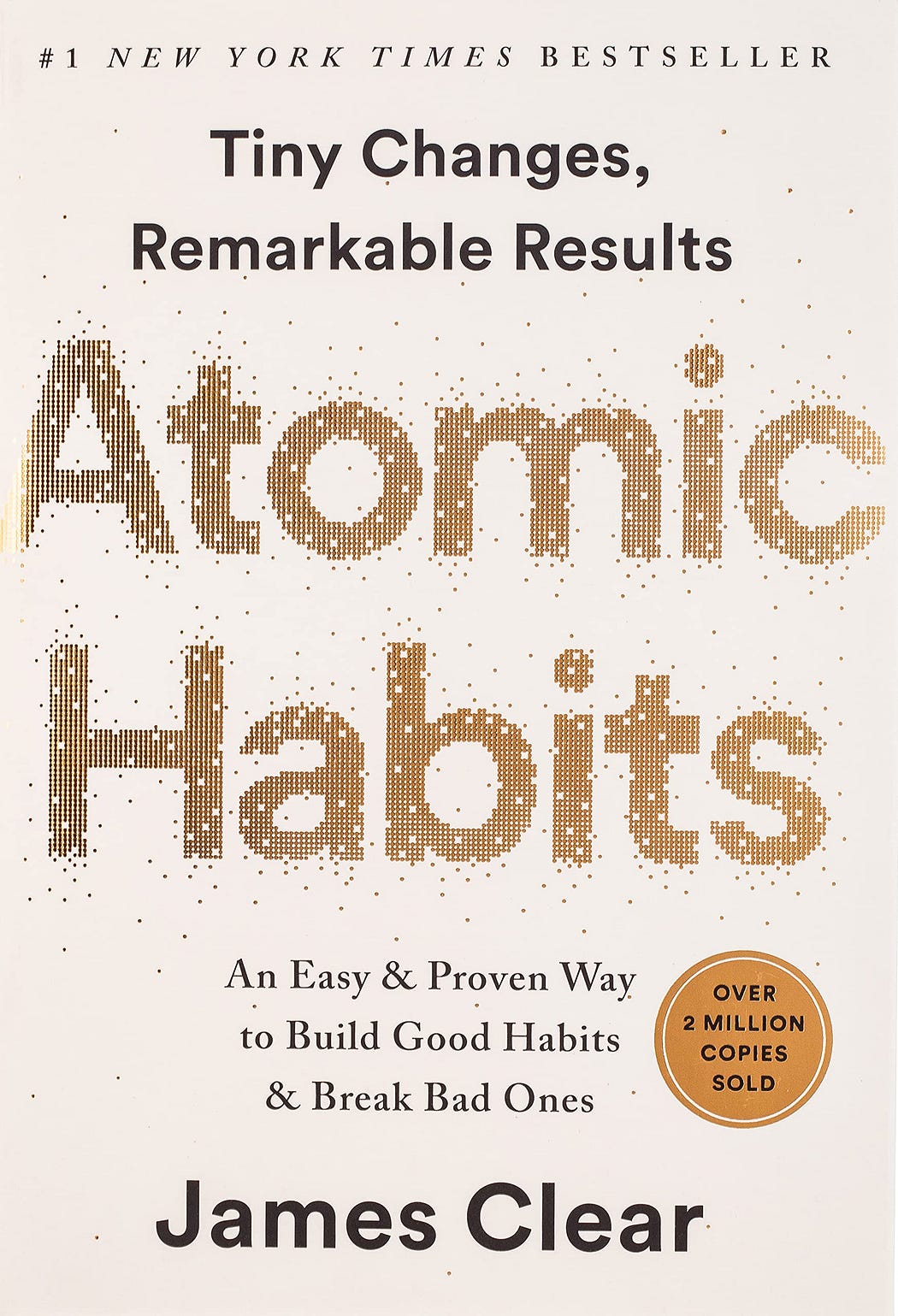
Atomic habits are not only very easy to read but are teeming with application-related tips and tricks on how to use your time more wisely. Most of the book is intuitively clear, but through many examples and statistics, important things are brought to mind, which has strongly motivated me to become active.
it also highlights the power of small regular actions and how they change and define our identity
“Every action you take is a vote for the type of person you wish to become. No single instance will transform your beliefs, but as the votes build up, so does the evidence of your new identity.”
― James Clear, Atomic Habits
2. The willpower instinct
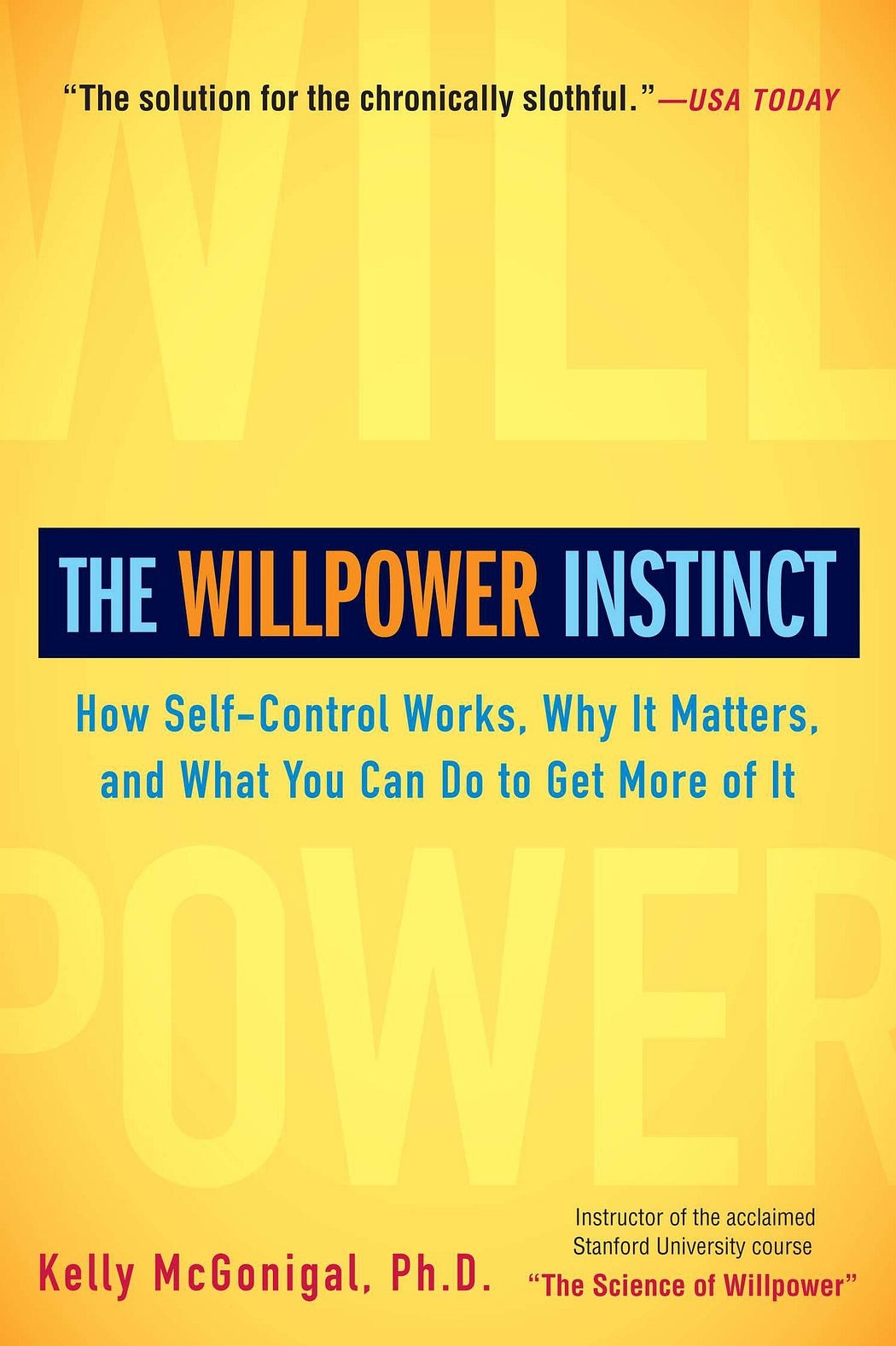
Similar to atomic habits, the willpower instinct is full of interesting examples and statistics, which makes it easy to read.
The book has fundamentally changed my attitude towards willpower. Instead of forcing myself to do difficult tasks and feeling bad when I procrastinate instead, I now know how to actively change the state of my brain to prevent procrastination in the first place and how to use this limited resource called willpower more efficiently.
“We need to separate the real rewards that give our lives meaning from the false rewards that keep us distracted and addicted. Learning to make this distinction may be the best we can do.”
― Kelly McGonigal, The Willpower Instinct
3. 7 habits of highly effective people
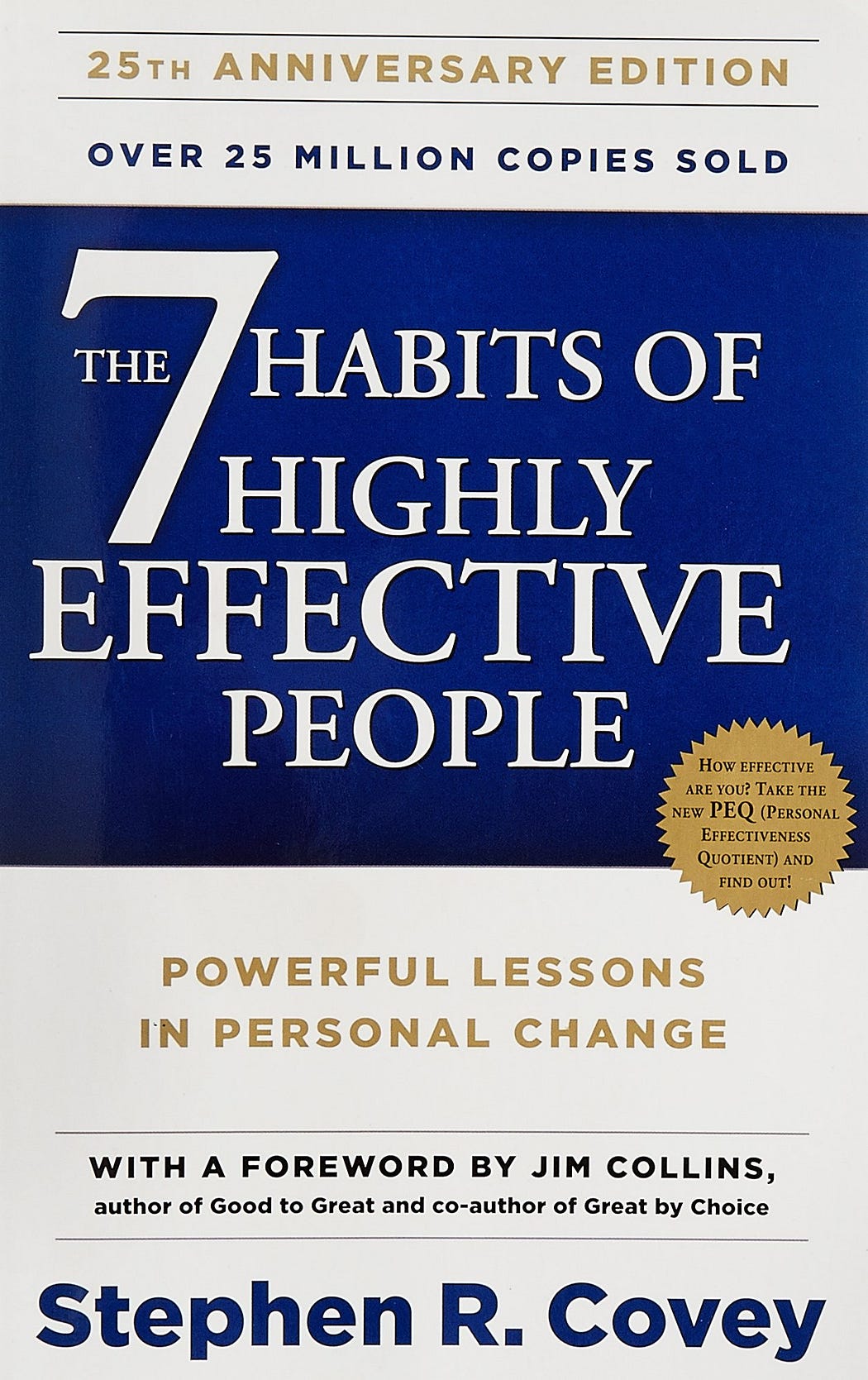
Through the book 7 habits of highly effective people I have learned, that;
- complaining is a habit of failure and being proactive is a requirement for deep relations and success.
— be proactive (habit 1). - a long-term view of everything, is required to achieve long-term goals.
— begin with the end in mind (habit 2). - you can only achieve the things that are important if you do the things you need to do to achieve them.
— put first things first (habit 3). - the secret behind deep lasting relationships is the pursuit of win-win connections and synergies.
— think win-win (habit 4) and synergize (habit 6). - not having time to work on yourself is a poor excuse, as one of the outcomes of true self-improvement is having more time.
— sharpen the saw (habit 7).
My favorite section of the book is the fifth habit, “Seek first to understand and then to be understood,” which taught me a lot about parenting and relationships in general.
“Most people do not listen with the intent to understand; they listen with the intent to reply.”
― Stephen R. Covey, The 7 Habits of Highly Effective People
4. the obstacle is the way
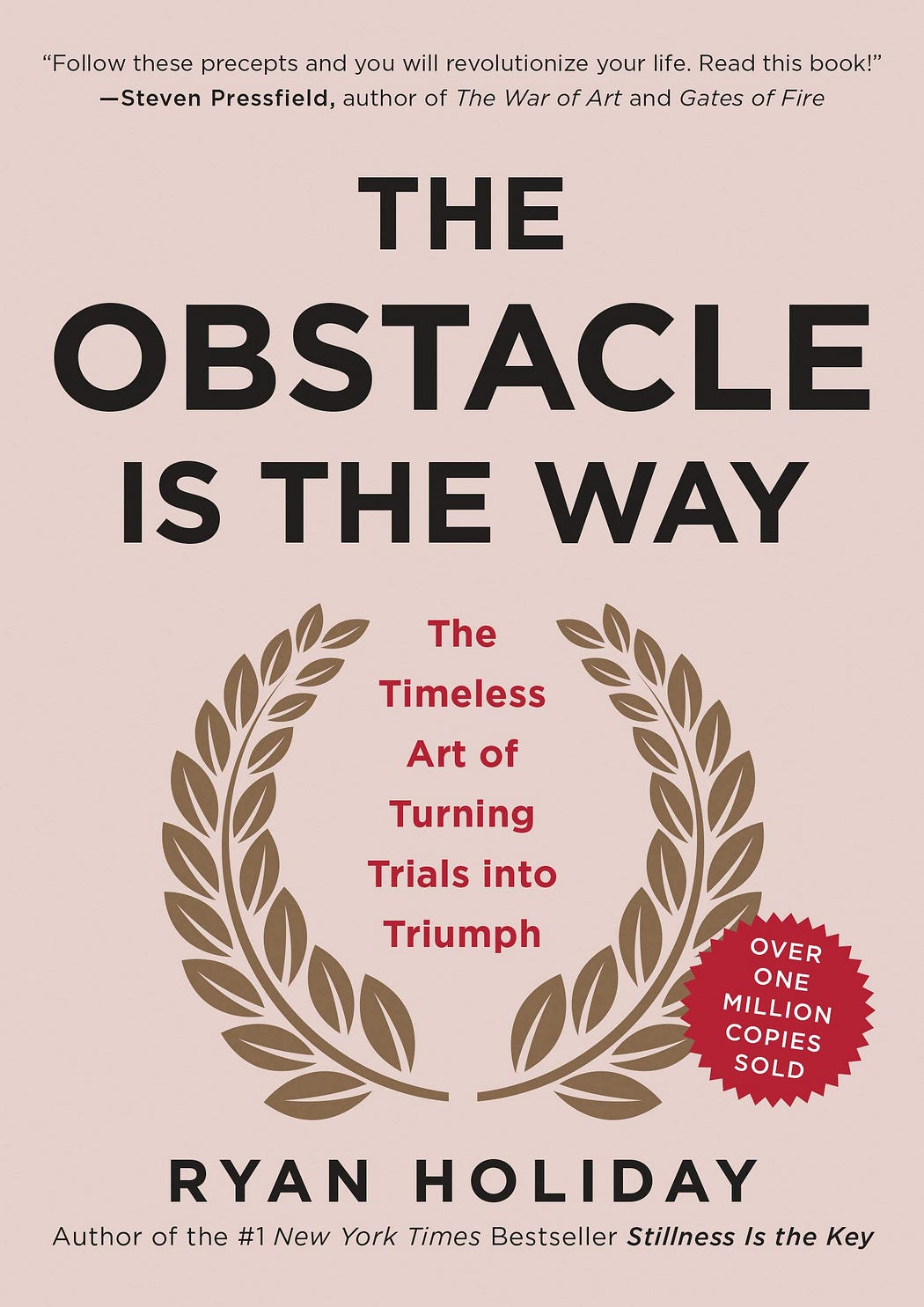
The Obstacle is the Way uses historical examples to illustrate the ancient philosophy of Stoicism, and the main message of the book can best be described by a quote from the most famous Stoic, Marcus Aurelius, who said.
Our actions may be impeded, but there can be no impeding our intentions or dispositions. Because we can accommodate and adapt. The mind adapts and converts to its purposes the obstacle to our acting. The impediment to action advances action, what stands in the way becomes the way
— Marcus Aurelius
Stoicism teaches me a lot about entrepreneurship and the pursuit of happiness through the message that you have no control over external forces, but you do have control over your internal forces, and therefore you should only act on them.
An obstacle is what you make of it by how you perceive it, how you react to it, and how you deal with the parts of the obstacle that are beyond your control.
An example from the book of the latter is a situation where Tomas Edison’s factory catches fire, but the inferno caused by chemicals was too strong to be quickly extinguished.
5. Eat That Frog!
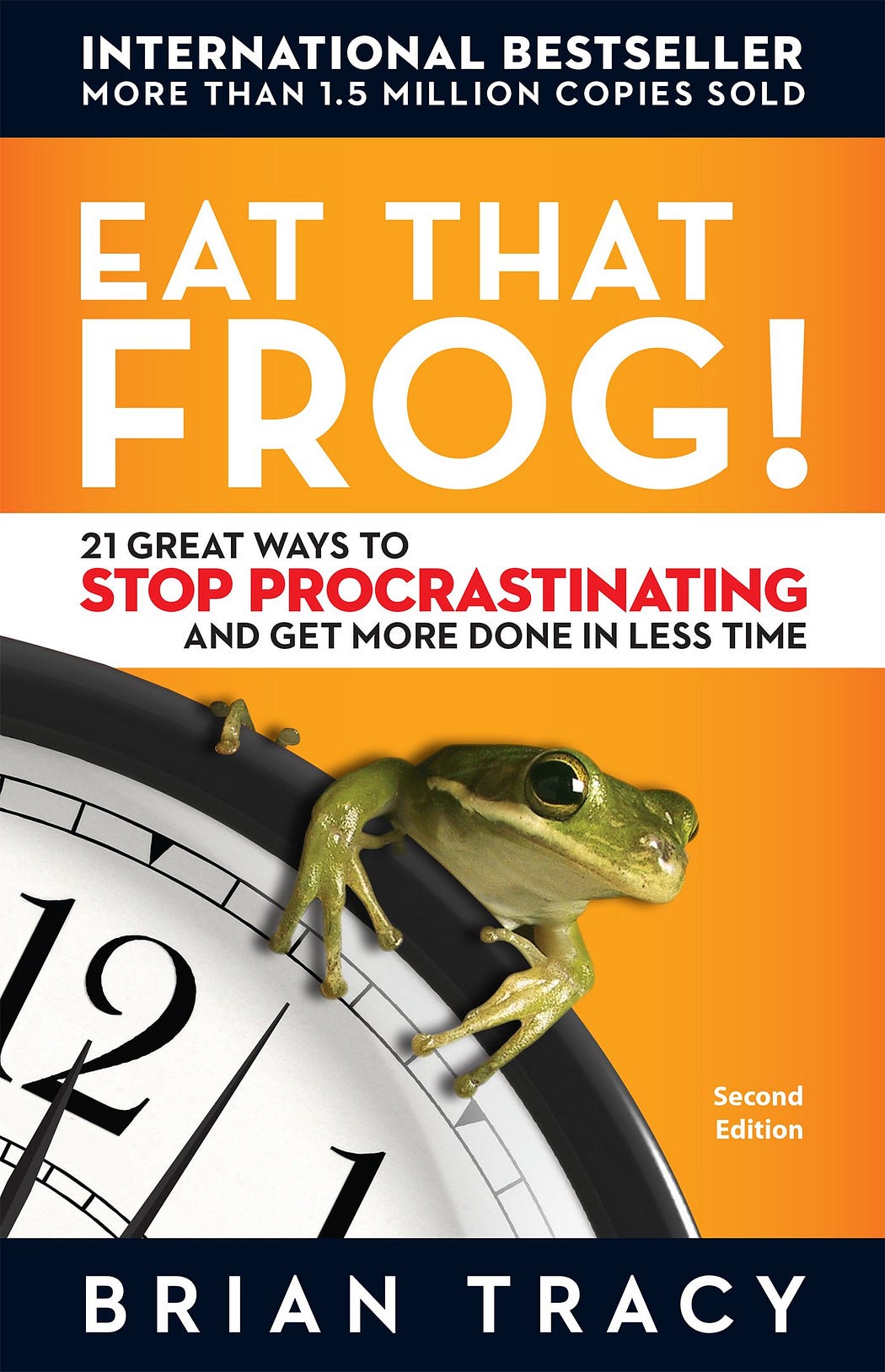
The frog is the hardest and most important task you can do today and is most often the task we procrastinate on the most.
Eat that frog contains 21 methods, theories, and ideas that will help you to start eating that frog. — do the worst first.
Through that book, I learned how to
- find and define my biggest frog.
- what my key result areas of improvement are.
- not do things that do not matter.
- eat a big ugly frog piece by piece
“The hardest part of any important task is getting started on it in the first place. Once you begin work on a valuable task, you seem to be naturally motivated to continue.
…you cannot eat every tadpole and frog in the pond, but you can eat the biggest and ugliest one, and that will be enough, at least for the time being.
”
― Brian Tracy, Eat That Frog!

You must be logged in to post a comment.