
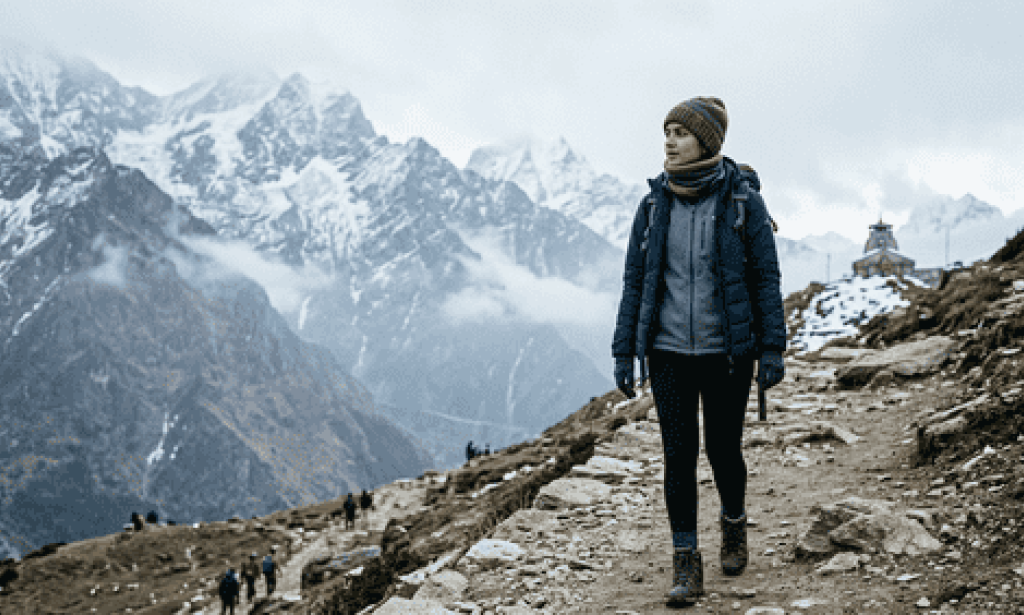
Hidden in the western Garhwal Himalayas, accessible only on foot, lies one of the most mythologically significant and visually stunning valleys in all of India — Har Ki Doon (Valley of Gods). Surrounded on three sides by snow-capped peaks including Swargarohini and Kalanag, this flat-bottomed glacial valley at 3,566 metres is a paradise for trekkers and a place of profound significance for devotees of the Mahabharata tradition.
What is Har Ki Doon?
"Har Ki Doon" means "Valley of the Lord" — specifically, the valley of Lord Shiva (Har = Shiva, Ki = of, Doon = valley). The valley is encircled by peaks, meadows, and glaciers, and contains traditional Himalayan villages where the Jaunsari tribal community maintains a way of life largely unchanged for centuries.
The Pandava Legend
Local mythology holds that the Pandavas passed through Har Ki Doon on their Mahaprasthan — the great final journey toward heaven. Duryodhana (their great adversary from Kurukshetra) is worshipped as a deity in this valley — a fact that surprises most visitors. According to local tradition, Duryodhana was brave, generous, and the patron of the valley; hence the community honors him with a temple dedicated to his memory.
Trek Route
Sankri → Taluka → Seema → Har Ki Doon
- Sankri (1,900 m): Base village, accessible from Purola (60 km) which connects to Uttarkashi/Mussorie
- Sankri to Taluka (12 km): Through dense forest along the Supin River — 4–5 hours walk
- Taluka to Seema (10 km): Ancient villages, dramatic gorge crossing — 3–4 hours
- Seema to Har Ki Doon (8 km): Meadows, wildlife, and expanding mountain views — 4–5 hours
- Total one-way distance: 30 km | 3 days (one way)
Altitude and Difficulty
- Maximum altitude: 3,566 m (Har Ki Doon valley floor)
- Difficulty: Moderate
- Good for first-time Himalayan trekkers (no technical sections)
- Beautiful forest trail throughout — not dry mountain terrain
Campsites and Forest Rest Houses
- Taluka: Forest Rest House (booking required) + camping
- Seema: Forest Rest House + camping
- Har Ki Doon: Forest Rest House + multiple camping spots
PWD / Forest Department Rest House bookings: Through Uttarkashi DFO office or online.
Wildlife and Flora
The Govind Wildlife Sanctuary (surrounding Har Ki Doon) shelters snow leopards, brown bears, Himalayan monal, Koklass pheasant, and in spring — spectacular wildflower blooms.
Best Time to Visit
May–June (wildfl
owers) and September–October (crystal skies, snow on peaks). Winter (November–April): heavy snow; trekking not possible.
onlinechardham onlinechardham onlinechardham onlinechardham onlinechardham onlinechardham onlinechardham onlinechardham onlinechardham onlinechardham

You must be logged in to post a comment.