
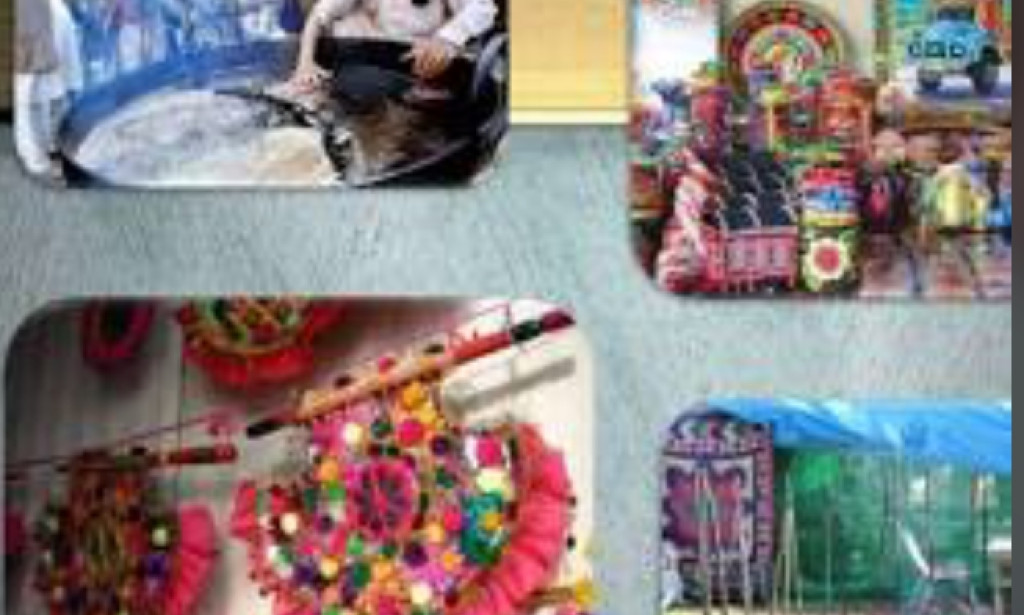
Pakistan is a land where geography, history, and deep-rooted traditions weave together to form a beautiful cultural mosaic. Beyond the regular headlines, the true heartbeat of this South Asian nation lies in its seasonal gatherings, historic sports, and spiritual celebrations. These traditional gatherings, known locally as "melas" or "festivals," are not just events—they are a powerful expression of social bonds, shared values, and centuries-old heritage.
If you want to understand the real spirit of Pakistani hospitality and cultural richness, here are 7 unique cultural festivals that bring communities together in celebration.
1. Jashn-e-Baharaan (The Welcoming of Spring)
As winter sheds its cold embrace, the province of Punjab—especially the historic city of Lahore—bursts into a riot of colors with Jashn-e-Baharaan. This festival literally translates to the "Celebration of Spring" and marks a time of renewal, warmth, and joy.
For decades, the sky during this festival would transform into a dancing canvas of thousands of kites during "Basant," a thrilling kite-flying competition accompanied by traditional music and rhythmic drum beats. Today, the festival continues to enchant visitors with massive flower exhibitions, mesmerizing musical concerts, energetic folk dances, and food stalls that offer a taste of traditional Punjabi cuisine. It is a sensory celebration of life and nature.
2. The Shandur Polo Festival (The Game of Kings)
Imagine a fierce, traditional game of polo played on a plateau surrounded by snow-capped peaks, sitting at a staggering altitude of 3,734 meters above sea level. This is the Shandur Polo Festival, held annually at the Shandur Pass, which connects the rugged districts of Chitral and Gilgit.
Often described as the "highest polo ground in the world," Shandur hosts a legendary free-style polo match between rival northern teams. Free from modern rules, this raw and passionate tournament draws adventurers from across the globe. The week-long event is not just about the sport; it is a lively cultural gathering featuring traditional mountain dances, fireside storytelling, and local folk music under a star-lit mountain sky.
3. Kalash Festivals (The Ancient Rhythms of the Valleys)
Deep within the Hindu Kush mountains of Chitral live the Kalash people, an indigenous community with an ancient lifestyle, unique attire, and spiritual beliefs completely distinct from the rest of Pakistan. They celebrate three major annual festivals: Chilam Joshi (spring), Uchau (autumn), and Chawmos (winter).
These celebrations are deeply connected to the cycles of nature, agriculture, and spiritual gratitude. The Kalash women, dressed in stunning black gowns embroidered with vibrant cowrie shells and colorful threads, lead spiritual dances in large circles. The festivals offer an incredible glimpse into a ancient, living heritage that values community peace, joy, and a profound respect for nature.
4. Sibi Mela (The Heritage of the Desert and Hills)
Moving south to the historic town of Sibi in Balochistan, the Sibi Mela stands as a grand testament to tribal heritage and economic resilience. Originating centuries ago as a marketplace for nomadic tribes, this annual winter event has grown into a massive cultural phenomenon.
The mela acts as a bustling exhibition of Balochistan's finest livestock, exquisite handicrafts, and traditional embroidery. However, the real crowd-pleaser is the vibrant cultural performances. From thrilling horse and camel races to traditional folk dances like the Jhumar, the festival brings together various tribal leaders and communities, fostering peace and showcasing the rich, untold stories of the region.
5. Nowruz (The Persian New Year in the North)
Celebrated with immense fervor in the Gilgit-Baltistan region—particularly among the Balti and Ismaili communities—Nowruz marks the arrival of the Persian New Year and the spring equinox. Falling between the 21st and 23rd of March, it is a celebration deeply rooted in socio-religious harmony.
During Nowruz, homes are thoroughly cleaned, and families dress in their finest new clothes to visit elders. A beautiful and symbolic tradition of the festival includes painting boiled eggs in bright colors and distributing them among children and friends as symbols of life and rebirth. The days are filled with community feasts, polo matches, and special prayers for peace and prosperity.
6. Sindhi Cultural Day (The Crimson Wave of Ajrak and Topi)
Sindhi Cultural Day is a modern celebration with deep historic roots, celebrated on the first Sunday of December across the province of Sindh and by the global Sindhi diaspora. It is a passionate display of identity, unity, and love for Sufi heritage.
On this day, cities across Sindh turn into a sea of red, blue, and black geometric patterns. Millions of men, women, and children wear the Ajrak (a traditionally block-printed shawl) and the Sindhi Topi (a distinctively designed cap). The atmosphere is electric with massive rallies, literary seminars, and musical gatherings where folk singers perform timeless Sufi poetry, spreading messages of peace, love, and universal brotherhood.
7. Lok Virsa Mela (The Heartbeat of Pakistani Crafts)
Held in the federal capital city of Islamabad, the look Visa Male (National Folk Festival) is where the entire country's diverse cultures gather under one roof. Organized by the National Institute of Folk and Traditional Heritage, this ten-day festival is a paradise for art lovers.
The festival features gorgeous pavilions representing all four provinces, along with Azad Jammu & Kashmir and Gilgit-Baltistan. Master artisans, woodcarvers, potters, and weavers travel from remote villages to display their rare skills directly to the public. Walking through the mela feels like a journey across Pakistan, filled with the aroma of diverse regional foods and the enchanting sounds of traditional instruments like the Rubab and Dhol.
Conclusion
The cultural festivals of Pakistan prove that diversity is not a cause for division, but a source of collective strength and beauty. From the mountain passes of the north to the deserts of the south, these celebrations act as a bridge between the past and the present. They offer a warm invitation to the world to look past the stereotypes and experience a nation defined by community spirit, incredible art, and an unstoppable joy for life.

Very nice
You must be logged in to post a comment.