
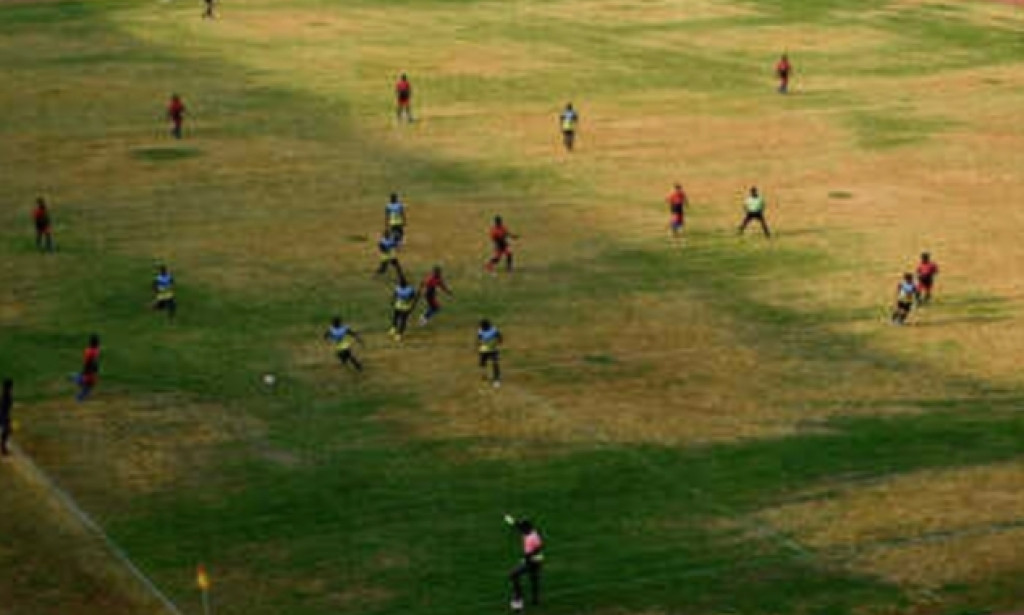
The Reality of Sports in India: Support for Sportsmen and Facilities for Athletes
Sports are an essential part of a nation's development. They promote physical fitness, mental strength, discipline, teamwork, leadership, and national pride. India has a rich sporting history and has produced world-class athletes such as Neeraj Chopra, P. V. Sindhu, Mary Kom, Abhinav Bindra, and Viswanathan Anand. Their achievements have brought glory to the country and inspired millions of young people. However, behind these success stories lies a different reality. Thousands of talented athletes in India continue to struggle because of inadequate facilities, financial problems, and limited opportunities.
One of the biggest challenges faced by Indian athletes is the lack of proper sports infrastructure. While metropolitan cities have modern stadiums, training centres, and sports academies, many villages and small towns have only basic or poorly maintained playgrounds. In several areas, athletes do not have access to running tracks, gyms, swimming pools, or quality equipment. Without these facilities, talented players find it difficult to compete with athletes from countries that invest heavily in sports development.
Financial difficulties are another major obstacle. Many promising sportspersons belong to economically weaker families. They often cannot afford expensive sports equipment, coaching fees, travel costs, balanced nutrition, or medical treatment. Some athletes even discontinue their training because they need to support their families financially. Although scholarships and government assistance are available for some athletes, many deserving players still fail to receive timely support.
Another important issue is the shortage of qualified coaches and sports scientists. Modern sports require scientific training, fitness experts, physiotherapists, psychologists, nutritionists, and performance analysts. Unfortunately, these facilities are available only to a limited number of elite athletes. Young players at the grassroots level often train without proper guidance, which affects their performance and increases the risk of injuries.
Selection procedures and sports administration also require improvement. At times, athletes complain about favouritism, lack of transparency, and delays in providing financial assistance. Fair selection based only on merit is essential to maintain the confidence of young sportspersons. Better governance and accountability can improve the overall sports ecosystem.
Despite these challenges, Indian sports have shown remarkable progress in recent years. The success of Indian athletes in the Olympic Games, Paralympics, Commonwealth Games, Asian Games, and international cricket has encouraged greater public interest in sports. Government initiatives such as Khelo India, Target Olympic Podium Scheme (TOPS), Fit India Movement, and increased investment in sports infrastructure have created new opportunities for talented athletes. More private companies are also supporting sports through sponsorships and corporate social responsibility programmes.
Schools and colleges have an equally important role in promoting sports. Educational institutions should provide quality playgrounds, trained physical education teachers, and regular competitions. Students should be encouraged to balance academics with sports so that talented athletes can pursue their dreams without compromising their education.
Parents and society must also change their mindset. In many families, sports are still considered less important than traditional careers. However, sports today offer excellent career opportunities through professional leagues, government jobs, coaching, sports management, fitness industries, and international competitions. Young athletes should receive encouragement rather than discouragement.
Technology can further strengthen Indian sports. Video analysis, wearable fitness devices, artificial intelligence, and data analytics help athletes improve their techniques and reduce injuries. Expanding access to these technologies will help Indian athletes compete successfully at the global level.
In conclusion, India possesses enormous sporting talent, but talent alone cannot guarantee success. Every athlete deserves access to quality coaching, modern facilities, proper nutrition, financial support, transparent selection, and equal opportunities regardless of their background. By investing in grassroots sports, strengthening infrastructure, encouraging private participation, and creating a culture that values sports alongside education, India can become a global sporting powerhouse. The dreams of countless young athletes will become reality only when the nation provides them with the support and opportunities they truly deserve.
The harsh reality of sports and facilities for sportsperson in india
About Author

You must be logged in to post a comment.