
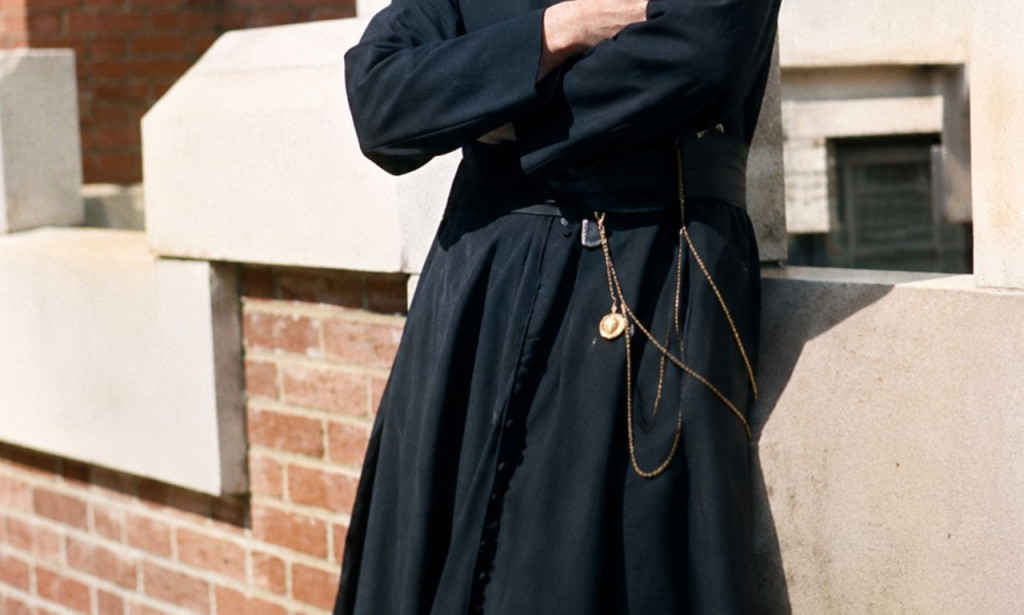
When people think about Catholic clergy, they often picture a priest wearing a long black cassock. However, not every religious order has followed the same approach to clothing throughout history. One of the most interesting examples is the story of the jesuit cassock.
Many people are surprised to learn that the Jesuits did not originally create a unique religious habit for themselves. In fact, the history of Jesuit clothing reflects the order's practical mission, adaptability, and commitment to serving people in different cultures and societies. Understanding how the jesuit cassock developed over time provides valuable insight into the broader history of clergy clothing and the role that religious attire plays in Christian ministry.
The Origins of the Jesuit Order
The Society of Jesus, commonly known as the Jesuits, was founded in 1540 by St. Ignatius of Loyola. Unlike some religious communities that were known for distinctive robes or habits, the Jesuits took a different approach.
St. Ignatius believed that the mission of the Jesuits was to serve wherever the Church needed them most. Rather than creating a special uniform that would set them apart, he encouraged members of the order to dress in a simple and respectable manner similar to the clergy of their region.
This decision reflected the practical nature of the Jesuit mission. The focus was not on creating a recognizable fashion style but on preaching, education, missionary work, and spiritual guidance.
Did Jesuits Always Wear a Jesuit Cassock?
One of the most common misconceptions is that Jesuits have always worn the same style of jesuit cassock. Historical evidence shows that this was not necessarily the case.
During the early years of the order, Jesuits generally wore clothing similar to other priests in their local communities. Their attire emphasized modesty and simplicity rather than a unique identity expressed through clothing.
As the order expanded throughout Europe and eventually around the world, local customs began influencing how Jesuits dressed. The appearance of a Jesuit in Spain might differ from that of a Jesuit in France, England, or Ireland. While the principles of simplicity and clerical dignity remained the same, the specific garments often reflected regional traditions.
Why Did Jesuit Clothing Vary by Country?
One reason for the variation was the political and religious environment of different countries.
In some regions, Catholic clergy enjoyed freedom and public acceptance. In others, restrictions and discrimination made it more difficult for priests to openly display traditional religious attire.
England provides an interesting example. During certain periods of history, Catholic priests faced legal restrictions and social pressure. Because of these circumstances, some Jesuits adopted clothing styles that blended clerical garments with academic dress. This practical solution allowed them to maintain their clerical identity while adapting to local conditions.
As a result, historical paintings and photographs often reveal a surprising variety of styles associated with the jesuit cassock. Some garments included cape-like features, while others appeared closer to academic robes than traditional cassocks.
The Purpose Behind Clergy Clothing
To understand the development of Jesuit attire, it is important to recognize that clergy clothing serves a purpose beyond appearance.
Religious garments communicate identity, vocation, and commitment. For centuries, priests have worn clothing that visibly reflects their dedication to ministry and service.
Whether someone wears a traditional cassock, a clerical suit, or another form of preacher outfit, the goal remains the same: to represent a life dedicated to God and the Church.
For many clergy members, their attire serves as a daily reminder of their responsibilities. It also helps members of the public identify someone who can provide spiritual guidance, prayer, or pastoral care.
The Jesuit Cassock as a Symbol of Service
Over time, the jesuit cassock became associated with the values that define the Society of Jesus.
Jesuits are known for their commitment to education, missionary work, intellectual excellence, and service to communities around the world. Their clothing has traditionally reflected these values through simplicity rather than extravagance.
Unlike garments designed to attract attention, the cassock emphasizes humility and dedication. It reminds both the wearer and those around him that the priesthood is not merely a profession but a vocation.
This symbolic role explains why many historical images show Jesuits wearing clothing that is dignified yet understated. The purpose was never fashion. The purpose was ministry.
The Relationship Between Tradition and Modern Ministry
Today, clergy clothing continues to evolve. Some Jesuits prefer traditional cassocks, while others wear modern clerical attire depending on their ministry, location, and community expectations.
This flexibility reflects a long-standing Jesuit tradition of adapting to circumstances while remaining faithful to core values.
Modern forms of mens apostle attire often combine traditional elements with practical features designed for contemporary ministry. At the same time, many clergy continue to appreciate the historical significance of the cassock and its connection to centuries of Christian tradition.
The conversation is not usually about choosing between old and new. Instead, it is about finding the most effective way to serve while maintaining a visible connection to the Church's heritage.
Why Historical Jesuit Attire Still Fascinates People
Interest in Jesuit clothing remains strong because attire tells a story.
Old paintings, photographs, and religious artwork provide a glimpse into the lives of clergy from previous generations. Through these images, we can see how the jesuit cassock changed over time and how historical circumstances influenced the appearance of religious clothing.
Many people are fascinated by the cape-like garments, distinctive cassocks, and unique accessories that appear in historical depictions of Jesuits. These visual details help illustrate the rich and diverse history of the order.
They also remind us that religious attire has never existed in isolation. It has always been shaped by culture, geography, politics, and the practical realities of ministry.
The Continuing Importance of Religious Attire
Even in today's world, clothing remains a powerful symbol of identity. This is especially true for clergy.
A traditional preacher outfit or cassock communicates values that go beyond personal style. It represents commitment, service, faith, and responsibility. For many believers, seeing a priest in traditional attire creates an immediate sense of trust and recognition.
Similarly, modern forms of mens apostle attire continue to provide clergy with a visible expression of their vocation while meeting the practical needs of contemporary ministry.
Although styles may change, the underlying purpose remains remarkably consistent.
Conclusion
The history of the jesuit cassock demonstrates that religious clothing is far more than a uniform. From the earliest days of the Society of Jesus to the modern era, Jesuit attire has reflected the order's mission, values, and ability to adapt to changing circumstances.
While Jesuits did not originally establish a unique religious habit, their clothing gradually evolved in response to local traditions, cultural influences, and practical needs. Historical images reveal a fascinating variety of styles, each telling a story about the communities and eras in which Jesuits lived and served.
Whether expressed through a traditional jesuit cassock, contemporary mens apostle attire, or a classic preacher outfit, the purpose of clergy clothing remains the same: to reflect a life devoted to faith, service, and the mission of the Church.

You must be logged in to post a comment.