

 The current global picture of children’s health is a frightening one. Across both developed and developing countries, the prevalence of childhood obesity is alarmingly high, along with the beginning signs of type 2 diabetes and heart disease. It is estimated that 10–20 per cent of all children around the world suffer from a mental illness. Autoimmune diseases, including allergy — virtually unheard of even in past decades — are now commonplace, affecting 1 in 10 children.
It is currently estimated that 42 million children under the age of five are estimated to be overweight. In the United States, approximately 10 percent of all infants and toddlers are overweight. In Australia, similar signs of excessive weight are being seen in early life, with nearly 23 percent of two- to four-year-olds showing extra body fat. In New Zealand, one in three children is either overweight or obese. This is why the nutritional and metabolic blueprint that is laid down when your babies start solids is so important.
Why Nutrition is Important when your Baby is Starting Solid Food,
The nutrients from natural whole foods have been carefully designed by Mother Nature to provide what we need to not only sustain life, but also to thrive — without the presence of the lifestyle diseases we see today.
The first 1000 days of a baby’s life, from conception to the age of two, are critical. In particular, the importance of establishing healthy habits in the first 12 months after they come into this world cannot be stressed enough. How babies are nourished with food, sleep, and movement during this time sets them up for life. It is far easier to create good patterns at the beginning than to try to change them later on.
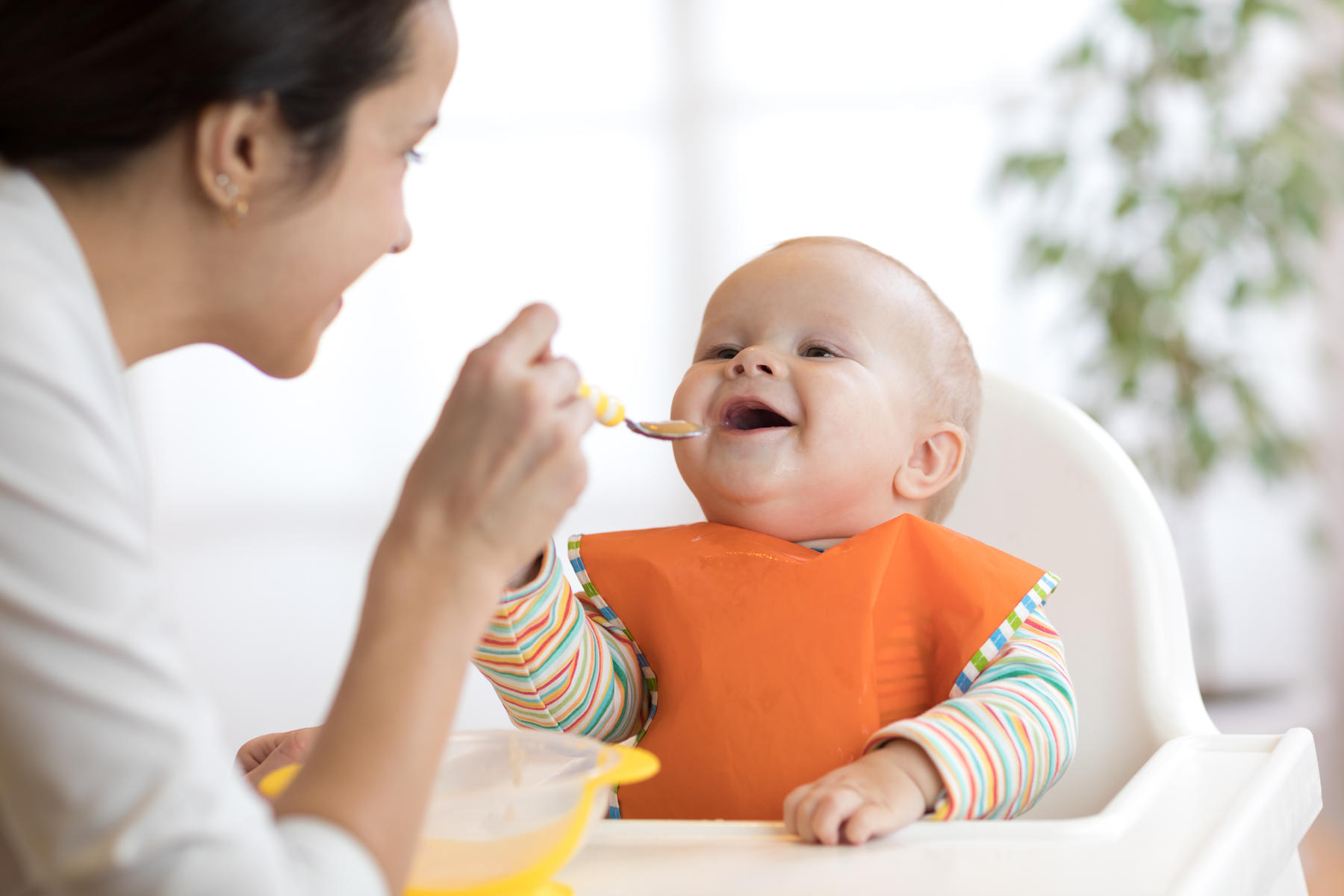
The process of transitioning your baby to solid food is incredibly important for forming healthy food preferences and providing babies with key nutrients for their growth and development. In regard to food preferences, these are developed by the time your child is three years of age - long before they can open a fridge door! Infants are very open to a lot of new flavors and textures in their first year before a lot of neurological pathways have been fully formed. Knowing just what foods to start your baby off on is very challenging. For many decades, the power of the food industry has heavily pushed baby rice - yet this is a highly processed product (and comes in a package!). Moreover, there is strong research to show that a baby's gut is just not ready for grains when starting out and while it is ‘fortified with iron’ this does not mean that the iron is readily absorbed.
Speaking of iron, this is a crucial nutrient for a baby to have when starting solids. Babies are born with sufficient iron stores to last them through until around six months of age. Breastmilk and subsequently formula is not naturally high in iron. Babies need iron to make hemoglobin, a protein that is found in red blood cells that carries oxygen from the lungs to all the baby's body parts, including their brain. It is also used to create myoglobin, a protein used to carry oxygen to the baby’s muscles. Iron deficiency is a significant concern in babies, given that these vital processes can be impacted. Knowing what are good iron-rich foods for a baby (both animal-based and plant-based), how to give them to a baby, and watching for possible food reactions is challenging for new parents.
So where do you start?
This is where a baby and toddler nutrition expert comes in.
The field of nutrition is a minefield of misinformation and questionable advertising practices. This seems to be amplified for infant nutrition, as it is a time when parents are so worried about their baby and about doing it the best way possible.
Dr Julie (PhD) - Baby and Toddler Nutrition Expertise
When it comes to researching nutrition for your babies and children, it can be very difficult to discern what is fact or fiction. While there is information out there, plenty of it is contradictory and can leave you more confused the more you attempt to dig into it. Dr. Julie, an internationally renowned baby, and toddler nutrition expert and best-selling author of The Nourished Baby, is one of the leading authorities helping parents transition their babies onto solid food.
Dr. Julie completed her Ph.D. in 2015 and applies the critical research practices and ability to translate peer-reviewed scientific papers to help parents through the conflicting advice on starting solids. Her science-based approach and continual involvement in academic research, have made her an expert in the field, allowing her to guide parents through even the most challenging cases. Dr. Julie’s books and guides provide an easy, step-by-step process to introducing solid food, prioritizing iron-rich foods without relying on supermarket pouches, and allowing for individual dietary choices for your family. Dr. Julie is particularly adept in allergy responses and creating processes to reintroduce allergenic foods. Every one of these cases is unique and requires experienced, individualized advice.
Transitioning a baby to solids, while rewarding, does not always go to plan. In these instances, it pays dividends to know that you have an expert in your corner, guiding you in the right direction. Dr. Julie is just that.
Setting up a child from the beginning with a healthy, balanced diet is one of the cornerstones in ensuring that these relationships with nutrition nurtured their lifestyle well into adulthood.

You must be logged in to post a comment.