
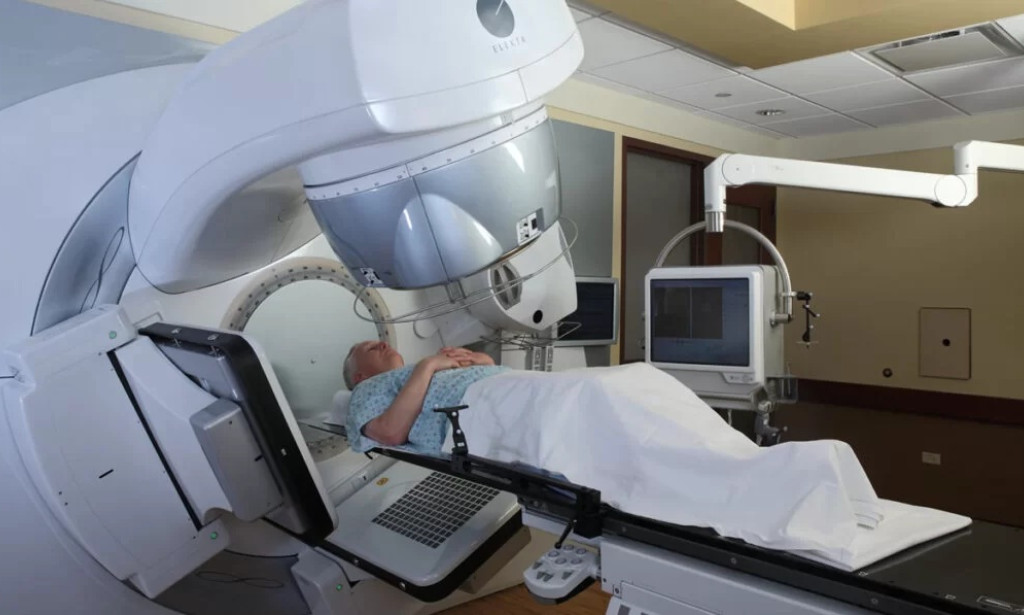
Radiotherapy is one of the most technologically advanced pillars of modern cancer care, requiring meticulous planning, precise dose delivery, and continuous patient monitoring. As cancer cases rise globally, the need for accessible, accurate, and efficient radiotherapy services has become increasingly important. In this context, Telemedicine in Radiotherapy is transforming how care is delivered by integrating remote technologies into treatment planning, monitoring, and multidisciplinary collaboration.
Telemedicine is no longer limited to virtual consultations. it now plays a critical role in improving treatment precision and expanding access to remote radiotherapy services. By combiIng digital imaging, communication platforms, and advanced oncology systems, healthcare providers can deliver high-quality cancer care regardless of geographic barriers.
Integration of Telemedicine with Radiotherapy Systems
Modern radiotherapy relies heavily on imaging technologies such as CT, MRI, and advanced treatment planning software. Telemedicine enables these data-intensive systems to be accessed and reviewed remotely. Through secure digital platforms, clinicians can share imaging datasets, treatment plans, and patient records in real time.
Research shows that telemedicine facilitates remote treatment planning and quality assurance, allowing specialists at central cancer centers to collaborate with clinicians in satellite or rural facilities. This integration ensures that even patients in under served regions benefit from expert-level planning and oversight.
Additionally, telemedicine systems support multiple levels of interaction—from basic video consultations to advanced remote planning where oncologists can delineate tumor volumes and adjust radiation doses from afar. This capability significantly enhances the precision and consistency of radiotherapy treatments.
Enhancing Treatment Planning Accuracy
Accurate treatment planning is the cornerstone of successful radiotherapy. Even minor deviations in dose calculation or tumor targeting can affect outcomes. Telemedicine strengthens this process by enabling collaborative planning and peer review.
Through remote radiotherapy services, multidisciplinary teams—including radiation oncologists, medical physicists, and dosimetrists—can jointly evaluate treatment plans. This collaborative approach reduces errors and improves decision-making. Telemedicine platforms allow:
- Real-time sharing of imaging and dose distribution data
- Remote contouring of tumor targets and organs at risk
- Second opinions from specialists across institutions
Studies have demonstrated that remote planning and supervision are feasible and can improve efficiency while maintaining clinical standards. Moreover, global telemedicine initiatives have shown that remote expertise can help standardize care quality across different regions.
Remote Patient Monitoring and On-Treatment Care
Radiotherapy requires continuous monitoring to assess treatment response and manage side effects such as skin reactions, fatigue, and pain. Telemedicine enables clinicians to conduct regular virtual check-ins, ensuring that patients remain on track with their treatment.
Telehealth tools support:
- On-treatment virtual assessments
- Symptom tracking and toxicity management
- Remote follow-up consultations
These capabilities improve patient engagement and allow early identification of complications. Telehealth in radiation oncology has been widely adopted for on-treatment checks and follow-up care, helping maintain continuity without requiring frequent hospital visits.
Patient satisfaction with telemedicine during radiotherapy is also notably high. Surveys indicate that over 90% of patients report receiving high-quality information through telehealth consultations, with many preferring it over traditional visits. This highlights the effectiveness of telemedicine in maintaining both clinical quality and patient experience.
Improving Accessibility and Operational Efficiency
One of the most significant advantages of Telemedicine in Radiotherapy is its ability to expand access to specialized care. Patients in remote or low-resource settings often face challenges in reaching advanced cancer centers. Telemedicine bridges this gap by bringing expertise directly to them.
According to global health organizations, telemedicine allows healthcare providers to “make solutions available wherever the need arises,” enabling remote consultation, monitoring, and even training. This is particularly valuable in developing regions, where access to skilled radiation oncologists may be limited.
From an operational perspective, telemedicine reduces travel time, lowers costs, and improves scheduling efficiency. It also enables faster decision-making by connecting multidisciplinary teams instantly, which is critical in time-sensitive cancer treatments.
Challenges and the Need for Hybrid Models
Despite its benefits, telemedicine in radiotherapy does present challenges. The inability to perform comprehensive physical examinations remotely can limit clinical assessment in certain cases. Additionally, concerns related to data security, technological infrastructure, and regulatory compliance must be addressed.
Experts emphasize the importance of a hybrid care model, combining telemedicine with in-person visits to ensure optimal outcomes. While remote technologies enhance precision and accessibility, physical evaluations remain essential for certain aspects of cancer care.
The Future of Remote Radiotherapy Services
The future of telemedicine in radiotherapy lies in further integration with emerging technologies such as artificial intelligence, cloud-based treatment planning, and real-time data analytics. These innovations will enhance automation, improve accuracy, and enable predictive treatment adjustments.
As telemedicine continues to evolve, it is expected to play a central role in delivering personalized, precise, and accessible cancer care. From remote planning to continuous monitoring, it is reshaping how radiotherapy is delivered across the globe.
Conclusion
Telemedicine in Radiotherapy is revolutionizing cancer care by enhancing treatment precision, improving patient monitoring, and expanding access to specialized services. By integrating remote technologies into radiotherapy systems, healthcare providers can deliver more accurate, efficient, and patient-centered care.
As healthcare systems adopt advanced telemedicine solutions and embrace hybrid care models, remote radiotherapy services will continue to bridge gaps in access and elevate the quality of cancer care worldwide.

You must be logged in to post a comment.