

In the ever-evolving world of construction, technology is no longer a luxury—it’s a necessity. Among the most innovative tools making waves in the industry is the construction drone. With capabilities ranging from high-definition imaging to precision mapping and safety monitoring, drones are not just flying gadgets—they're transforming the way construction projects are planned, executed, and completed.
The Rise of Construction Drones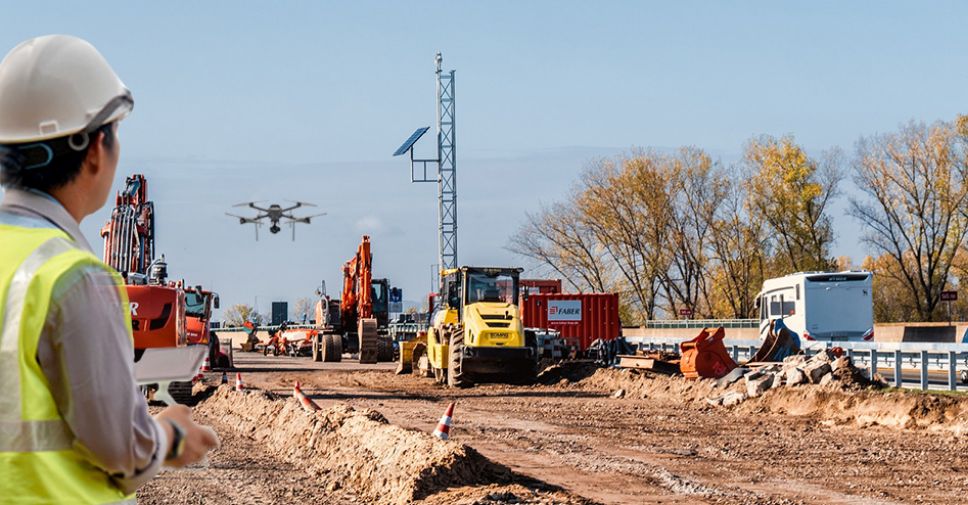
Construction drones have become integral to modern building projects, providing a bird’s-eye view that improves oversight, documentation, and communication. These unmanned aerial vehicles (UAVs) come equipped with high-resolution cameras, thermal imaging sensors, and GPS capabilities, allowing project managers and engineers to gather accurate data quickly and safely.
Previously, capturing aerial data required manned aircraft or satellite imagery—both of which were expensive and lacked real-time flexibility. Today, drones offer instant access to detailed site visuals, enabling better decision-making at every project phase.
Benefits of Using Drones in Construction
Enhanced Site Surveying and Mapping
One of the most prominent uses of construction drone is in surveying and mapping. With the help of drone-mounted LiDAR or photogrammetry tools, contractors can generate accurate 3D models and topographic maps in significantly less time than traditional methods. This accelerates the pre-construction phase and helps identify potential challenges early on.
Real-Time Progress Tracking
Project managers can schedule routine drone flights to document daily or weekly progress. These visual updates are invaluable for stakeholders and help maintain transparency, ensure timelines are met, and identify deviations from design plans promptly.
Safety Monitoring and Risk Mitigation
Construction sites are prone to hazards. Drones help in monitoring safety compliance by spotting issues such as unsecured scaffolding or improper equipment use. In hard-to-reach or dangerous areas, drones can inspect without risking human lives, making them a crucial safety asset.
Inventory and Asset Management
Through regular aerial inspections, drones assist in tracking on-site equipment, materials, and tools. With accurate visual data, site supervisors can minimize losses, optimize resource allocation, and reduce theft or misplacement of high-value assets.
Improved Communication
Visual data from drones can be shared effortlessly across departments and stakeholders. By creating interactive site maps, time-lapse videos, and aerial overviews, communication barriers are eliminated, ensuring everyone remains on the same page throughout the construction lifecycle.
Best Drone for Roofing Applications
Roofing is a delicate task requiring precision, attention to detail, and thorough inspection to maintain structural integrity. The best drone for roofing applications comes equipped with high-resolution cameras, thermal sensors, and stable flight systems that ensure accurate visual inspection without needing ladders or scaffolding.
Key Features to Look for in a Roofing Drone:
4K or higher resolution cameras for detailed imaging
Thermal imaging sensors to detect leaks or insulation issues
Obstacle avoidance technology to safely navigate around structures
Stability and GPS hold for clear, blur-free visuals
Extended flight time to cover large roof areas in one flight
By using the best drone for roofing, inspectors can identify damaged shingles, potential leaks, and ventilation issues without endangering themselves. It significantly reduces inspection time and provides precise, high-quality data that can be stored for future reference or client documentation.
Real-World Applications
Across the globe, construction drones are reshaping how major infrastructure and residential projects are executed. From skyscraper developments in urban cities to remote pipeline constructions, drones offer flexibility and insight unmatched by traditional survey methods.
For example, in large highway projects, drones are used to monitor alignment, assess earthwork progress, and maintain construction quality. Similarly, in commercial roofing, drones identify areas that require waterproofing, insulation, or structural repairs, thus speeding up estimation and reducing human error.
Legal and Operational Considerations
While construction drones offer numerous benefits, it's important to operate them within regulatory frameworks. In many countries, including India, drone pilots must be certified and follow guidelines issued by the Directorate General of Civil Aviation (DGCA). Contractors must also ensure their drones are registered and operated within permissible airspace.
Additionally, data privacy and cybersecurity should be taken into account when using drones for documentation and surveillance purposes. Selecting drones from reliable manufacturers that offer secure data handling is crucial.
The Future of Drones in Construction
The future of construction drones looks promising with the integration of artificial intelligence (AI), machine learning, and real-time analytics. Soon, drones will not just collect data but also analyze it, detect anomalies, and propose corrective actions autonomously.
Moreover, drone swarms could be deployed for large-scale construction monitoring, where multiple drones cover vast areas simultaneously, reducing inspection times dramatically. Integration with Building Information Modeling (BIM) systems will also allow for automated progress updates, keeping digital models in sync with real-world development.
Conclusion
The incorporation of construction drones in building projects is a game-changer. From increasing safety and accuracy to reducing costs and timelines, the advantages are clear. Especially in roofing applications, choosing the best drone for roofing can streamline inspections and enhance overall project outcomes.
As the construction industry continues to embrace cutting-edge technologies, drone integration is not just an option—it’s becoming an industry standard.
For businesses seeking state-of-the-art drone solutions tailored to the demands of modern construction, Asteria Aerospace stands out as a leader. With a strong track record in developing advanced unmanned systems and geospatial intelligence, Asteria Aerospace provides reliable, scalable drone technologies that are driving the future of construction and infrastructure management.

You must be logged in to post a comment.