

In the ever-evolving market research industry, one question continues to challenge decision-makers: When should we use quantitative research, and when is qualitative research more appropriate? The answer often depends on your research goals, timelines, and the complexity of the business decisions at hand.
Whether you’re exploring a new product concept, testing a marketing strategy, or evaluating customer sentiment across markets, choosing the right approach — or a combination of both — can lead to more confident and actionable outcomes.
Quantitative Research: Measuring the What
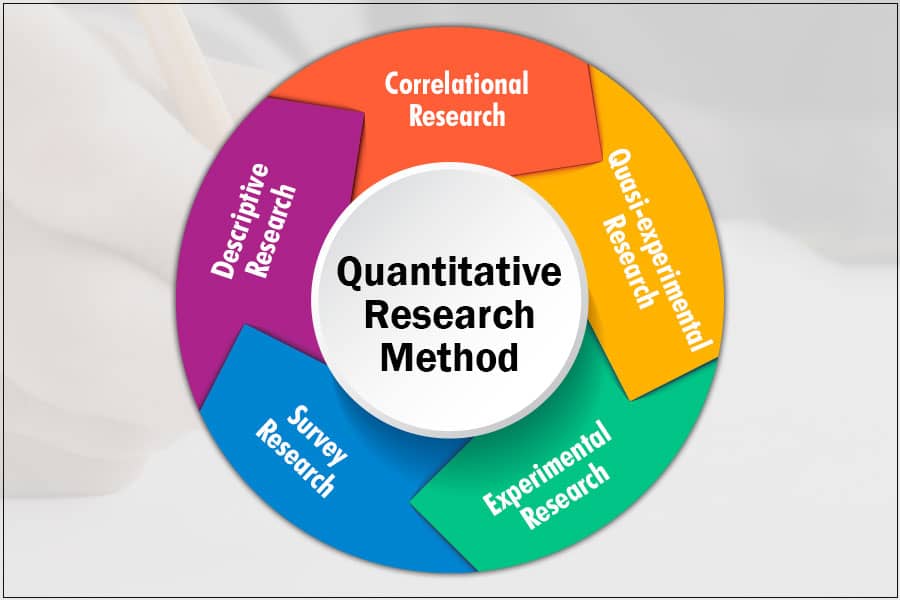
Quantitative research is all about numbers. It’s used when you need to measure variables, identify patterns, or make statistically supported decisions. Common tools include surveys, polls, and structured questionnaires.
Best for:
-
Measuring market size or demand
-
Segmenting customer types
-
Tracking changes over time
-
Generating dashboards for performance
Pros:
-
Large sample sizes
-
Objective and measurable data
-
Ideal for benchmarking or trend analysis
Example Use Case:
A SaaS company launching in APAC wants to know how many mid-sized businesses currently use workflow automation software. A quantitative survey reveals adoption rates and spending thresholds across key regions.
Qualitative Research: Understanding the Why
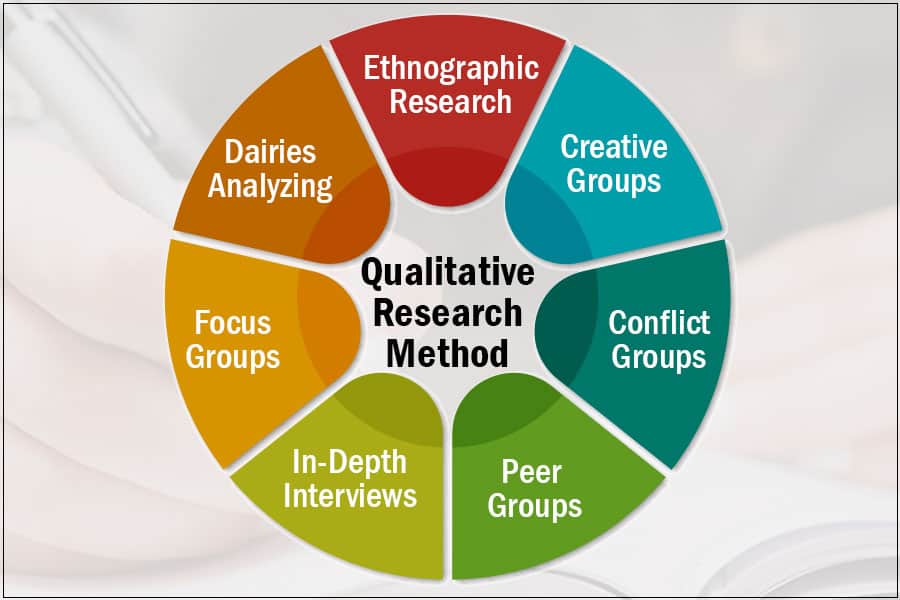
Qualitative research dives into motivations, behaviors, and context. It’s essential when you need to understand the “why” behind decisions — particularly when dealing with complex or unfamiliar markets.
Best for:
-
Uncovering unmet customer needs
-
Testing product-market fit
-
Understanding user journeys
-
Exploring emotional drivers
Pros:
-
Deeper contextual insights
-
Flexible and exploratory
-
Ideal for hypothesis generation
Example Use Case:
A global pharmaceutical firm explores how physicians in Southeast Asia feel about a new telehealth platform. In-depth interviews reveal trust barriers, workflow friction, and communication gaps — insights that raw numbers alone couldn’t provide.
When to Use Which?
| Objective | Method |
|---|---|
| Measure how many or how much | Quantitative |
| Explore why and how | Qualitative |
| Validate a hypothesis at scale | Quantitative |
| Discover unknown user behaviors | Qualitative |
| Combine depth and breadth | Mixed-method |
Today’s expert B2B research firms often recommend a hybrid approach — starting with qualitative discovery to build hypotheses, followed by quantitative validation to scale the findings.
Blending the Two: The Power of Mixed-Method Research
For many B2B organizations, the most powerful insights come from using both quantitative and qualitative research together. This mixed-method approach lets businesses explore broad patterns with numbers while adding depth and narrative through direct human input.
Example Workflow:
-
Qualitative Phase: Conduct expert interviews to uncover emerging buyer concerns around sustainability.
-
Quantitative Phase: Validate these concerns across a larger survey sample to assess how widespread they are.
This combination helps researchers avoid blind spots, challenge assumptions, and move from “interesting insight” to statistically significant strategy.
Real-World Applications in Key Industries
Let’s look at how companies across sectors apply both approaches:
-
Life Sciences:
A pharmaceutical firm exploring a new drug launch may start with qualitative interviews with clinicians to understand prescribing behavior, followed by a quantitative study of prescription trends across geographies. -
Enterprise Tech:
A B2B SaaS company developing a new pricing model may conduct surveys to gauge user price sensitivity, then host follow-up interviews to explore reactions to different pricing tiers. -
Manufacturing & Industrial:
To assess supplier satisfaction, manufacturers might use large-scale surveys to quantify net promoter scores, then follow up with select in-depth interviews to identify areas of operational friction.
Across industries, combining expert B2B research with the right methodology mix ensures that data is not just informative — but truly actionable.
Tapping Into Market Research Industry Trends
As research needs become more global and time-sensitive, companies are blending both methodologies. According to recent market research industry trends, decision-makers are demanding faster, more integrated insights. This has given rise to agile research models that combine expert interviews, quick polls, and advanced analytics — all within weeks.

Final Thought
Both qualitative and quantitative research are indispensable tools in the modern business toolkit. The key is knowing when to use which — and how to combine them for richer, more actionable insights.

You must be logged in to post a comment.