
The global industrial landscape is undergoing a profound shift toward bio-based chemistry, placing the Organic Acids Market at the center of the sustainability revolution. According to the latest strategic research by The Insight Partners, the organic acids market is expected to register a CAGR of 5% during 2023–2031. This steady growth is underpinned by the increasing transition from petrochemical-based feedstock to renewable, fermentation-derived alternatives across the food, pharmaceutical, and chemical sectors.
Organic acids, such as acetic, citric, lactic, and formic acids, have transitioned from being simple commodities to essential building blocks for high-value applications. As regulatory pressures against synthetic additives mount and the "clean label" movement gains momentum, these naturally occurring compounds are seeing unprecedented demand as preservatives, acidulants, and pH regulators.
Market Opportunities: The New Frontiers of Growth
While traditional applications in food and beverage remain the bedrock of the Organic Acids Market opportunities the forecast period toward 2031 reveals several high-impact opportunities that are redefining market boundaries.
1. The Bioplastics and PLA Surge
Perhaps the most significant opportunity lies in the production of Polylactic Acid (PLA) and other biodegradable polymers. Lactic acid serves as the primary precursor for PLA, which is rapidly replacing petroleum-based plastics in packaging, textiles, and 3D printing. As nations implement stricter bans on single-use plastics, the demand for high-purity organic acids as chemical intermediates is projected to skyrocket.
2. Antibiotic Substitution in Animal Feed
The global livestock industry is facing a regulatory "cliff" regarding the use of Antibiotic Growth Promoters (AGPs). Organic acids—specifically propionic, formic, and butyric acids—have emerged as the gold-standard alternative. They function as powerful gut-health acidifiers, preventing the growth of pathogens like Salmonella and E. coli while improving nutrient absorption. This transition represents a multi-billion dollar opening for manufacturers capable of producing feed-grade acid blends.
3. Green Solvents and Industrial Coatings
In the industrial sector, acetic and succinic acids are increasingly used to develop "green" solvents and coatings. These bio-based alternatives offer lower Volatile Organic Compound (VOC) emissions, helping manufacturers in the automotive and construction sectors meet stringent ESG (Environmental, Social, and Governance) targets without compromising on performance.
Download Exclusive Sample PDF of Organic Acids Market Study: https://www.theinsightpartners.com/sample/TIPRE00004708
4. Pharmaceutical and Personal Care Innovations
High-purity organic acids are finding new life in the pharmaceutical sector as buffering agents and stabilizers for sensitive drug formulations. Simultaneously, the personal care industry is leveraging alpha-hydroxy acids (AHAs) like glycolic and lactic acid for high-end skincare products, driven by the consumer shift toward "natural" and "active" ingredients.
Competitive Landscape: Top Market Players
The market is characterized by a mix of diversified chemical giants and specialized biotechnology firms. These players are increasingly engaging in strategic partnerships and capacity expansions to secure bio-based supply chains.
-
BASF SE (Germany)
-
Cargill, Incorporated (USA)
-
Corbion N.V. (Netherlands)
-
Archer Daniels Midland Company (ADM) (USA)
-
Eastman Chemical Company (USA)
-
Nippon Shokubai Co., Ltd. (Japan)
-
DSM-Firmenich AG (Switzerland/Netherlands)
-
Tate & Lyle PLC (UK)
-
Celanese Corporation (USA)
-
Henan Jindan Lactic Acid Technology Co. (China)
Regional Market Outlook
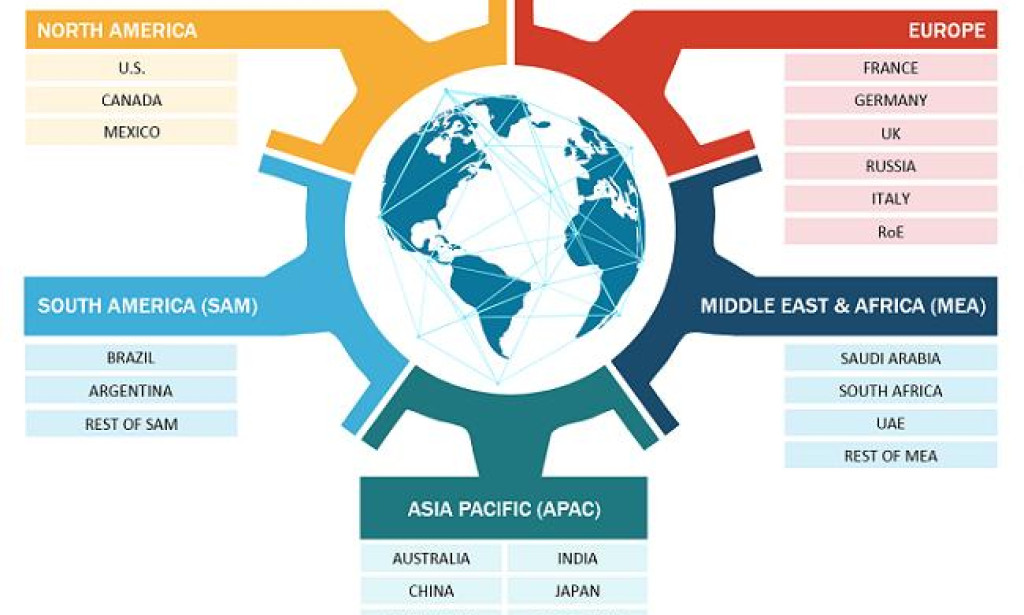
Asia-Pacific (APAC) is expected to witness the highest growth rate through 2031. Rapid industrialization in China and India, coupled with massive investments in bio-fermentation infrastructure, has positioned the region as a global manufacturing hub. Meanwhile, North America and Europe continue to lead in value-driven segments, particularly in the adoption of bio-based succinic and lactic acids for the bioplastics industry.
Conclusion
The Organic Acids market is no longer just a supporting player in the chemical industry; it is the engine of the bio-economy. With a projected 5% CAGR through 2031, the opportunities within biodegradable polymers, animal nutrition, and clean-label food preservation offer a robust roadmap for investors and manufacturers alike. Companies that prioritize fermentation efficiency and sustainable sourcing will be best positioned to capture this evolving market.
About Us
The Insight Partners is a one-stop industry research provider of actionable intelligence. We help our clients in getting solutions to their research requirements through our syndicated and consulting research services. We specialize in industries such as Semiconductor and Electronics, Aerospace and Defense, Automotive and Transportation, Biotechnology, Healthcare IT, Manufacturing and Construction, and Technology, Media, and Telecommunications.

You must be logged in to post a comment.