
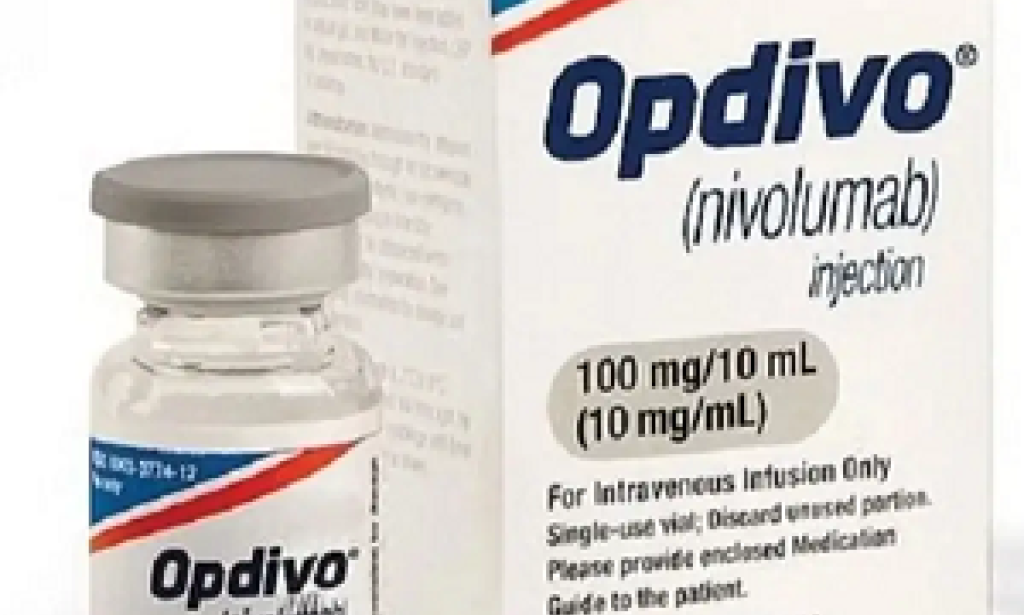
This is an advanced immunotherapy medicine used to treat several different types of cancer. People taking the medicine and healthcare providers will often search for the it's mechanism of action in relation to how it assists the immune system in attacking cancer cells. Instead of destroying cancer cells itself, like chemotherapy does, Opdivo 100mg Injection increases your body's natural defence to fight the disease.
Understand About Nivolumab
This is a monoclonal antibody drug and falls into the category of immune checkpoint inhibitors. It is commonly prescribed for:
-
Lung cancer
-
Melanoma
-
Kidney cancer
-
Head and neck cancer
-
Liver cancer
-
Hodgkin lymphoma
This drug is normally taken intravenously (by IV) and has to be administered within a medical facility.
Nivolumab Mechanism of Action
The Nivolumab mechanism of action involves blocking a protein called PD-1, which is found on the surface of immune system T-cells. Cancer cells have somehow learned to hide from the immune system and are effectively immune. They achieve this through the use of PD-1 pathways. Cancer cells can bind to protein PD-L1 and "switch off" T-cells. However, Nivolumab can lock to the PD-1 protein on T-cells, effectively preventing this from happening and switching on the immune system once again.
This enables:
-
T-cells to operate properly once again
-
Cancer cells to be identified by the immune system
-
Cancer cells to be killed effectively
This is why Nivolumab is considered such a revolutionary drug for cancer treatment.
How it can help Cancer Patients
It can help patients with cancer in various ways, such as:
-
Slower cancer growth:
It can help slow the progression of cancer by enabling the immune system to find and recognize the cancer cells.
-
Increased survival rates:
It has been seen in studies that for some cancers, the use of Nivolumab immunotherapy gives better survival rates than that with chemotherapy drugs.
-
Long term response:
In some instances, there is a long-term response, because even after stopping taking the medicine, the immune system can continue to identify the cancer.
Potential side effects
As with any cancer drug, there are various potential side effects that Nivolumab may have:
-
Tiredness
-
Skin rash
-
Fever
-
Nausea
-
Diarrhea
-
Joint pain
Since the immune system becomes boosted, it can cause immune-related side effects in other organs like the liver, lungs or the thyroid.
Key points to be aware of
-
The only prescriber and supervisor for this drug can be an oncologist.
-
Your doctor should be notified if you suffer from any autoimmune diseases.
-
There are tests and check ups normally conducted while the therapy is administered.
-
Any pregnant or breast feeding women should not take this drug without doctor's consultation.
Conclusion
Understanding the mechanism of action is key to comprehending how this immunotherapy can help us fight cancer. Blocking the PD-1 pathway enables the immune system to combat cancer aggressively and Nivolumab Injection is now a vital part of treatment for many aggressive cancers and is expected to be of much importance in cancer treatment.
FAQs
How is Nivolumab's mechanism of action defined?
The action of this injection includes binding to the PD-1 protein, a key target in enabling immune cells to fight cancer effectively.
Is Nivolumab classified as chemotherapy or immunotherapy?
It is classified as immunotherapy, and not a chemotherapy medicine.

You must be logged in to post a comment.