
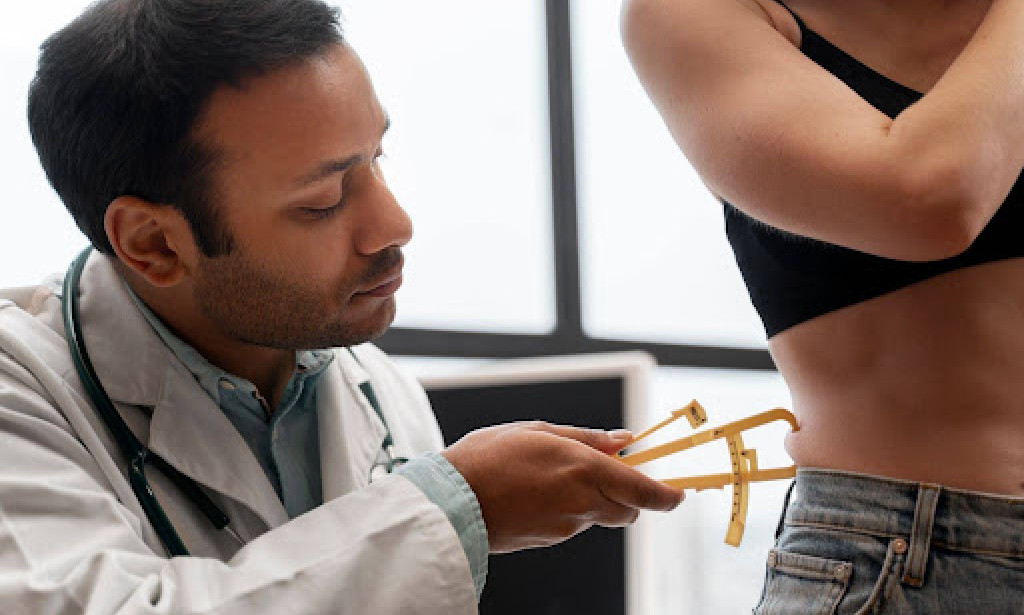
When we talk about bariatric or gastrointestinal (GI) surgery, many people immediately think of cosmetic changes or "shortcuts" to weight loss. But that narrow focus misses the most incredible part of what’s happening inside the body. While a lower number on the scale is certainly a visible result, modern metabolic surgery is actually doing something much deeper: it’s fundamentally remodeling how your body works on a physiological level.
At its heart, these advanced laparoscopic procedures aren't just about changing your appearance; they are powerful endocrine interventions that talk directly to your cells and systems.
By carefully restructuring the digestive tract, surgeons can change the way your gut communicates with your brain through hormones and signaling pathways. This isn’t just about eating less; it’s about addressing the root causes of serious conditions like Type 2 diabetes, severe acid reflux (GERD), and metabolic syndrome. When lifestyle changes and lifelong medications aren’t enough, metabolic surgery, especially when guided by a specialized Gastroenterologist who understands the complexities of digestive care, can offer a real path to long-term healing.
1. Healing from the Inside Out: Reversing Type 2 Diabetes
One of the most surprising benefits of metabolic surgery is how quickly it can help regulate blood sugar, often before a patient has even lost much weight. We used to think of Type 2 diabetes as a one-way street toward more medication and insulin. However, we now know that surgeries performed by a skilled Laparoscopic and General Surgeon at a leading multispecialty hospital can trigger diabetes remission in just a matter of days.
How does this happen? The answer lies in "incretins," which are specialized hormones in your gut that tell your body how to handle insulin. The surgery essentially "re-tunes" these internal signals.
[Traditional T2DM Management] ──> Exogenous medications/insulin loops (Symptom control)
[Metabolic Rearrangement] ──> Alters gut hormones (GLP-1 / PYY) ──> Intrinsic euglycemia
When a procedure like a gastric bypass or sleeve gastrectomy changes the path food takes, it boosts the levels of helpful hormones like GLP-1 and PYY while silencing "hunger hormones" like ghrelin. This helps your pancreas work better and makes your body much more responsive to its own insulin, naturally balancing your blood sugar.
For those dealing with multiple health challenges, consulting specialists at a reputed Multispeciality Hospital and visiting a premier diagnostic center for digestive disorders are vital first steps. This allows experts to use advanced imaging and tracking to ensure your body is fully prepared and optimized before any structural changes are made.
2. Fixing the Foundation: Solving Severe Chronic Reflux
Beyond hormones, surgery can also fix physical problems that medication simply can’t touch. Take severe acid reflux (GERD) or hiatal hernias, for example. Constant exposure to stomach acid doesn't just cause discomfort; it can actually damage your esophagus and lead to serious risks like Barrett's Esophagus. A skilled Laparoscopic Surgeon can provide a permanent fix for these mechanical issues.
While daily pills like PPIs can make the fluid in your stomach less acidic, they can't stop that fluid from physically backing up if your "one-way valve" (the lower esophageal sphincter) isn't working properly. Surgery fixes the valve itself.
|
Clinical Parameter |
Standard Pharmacological Therapy |
Advanced Surgical Intervention |
|
Primary Objective |
Chemically alters stomach fluid to make it less acidic and corrosive. |
Physically repairs the anti-reflux barrier and restores structural geometry. |
|
Anatomical Impact |
Does not correct structural defects like a widening diaphragmatic hiatus. |
Closes hiatal defects and secures the stomach completely beneath the diaphragm. |
|
Long-Term Efficacy |
Requires daily, lifelong medication compliance; risks bone density depletion. |
Delivers a permanent, mechanical resolution to regurgitation and esophageal inflammation. |
Procedures like a Nissen Fundoplication or a gastric bypass can physically rebuild that barrier, stopping reflux in its tracks. Since digestive health is so interconnected, working with a team that uses advanced endoscopy and cutting-edge care ensures that every part of your upper digestive tract is addressed, providing lasting relief from inflammation and damage.
3. The Precision of Laparoscopic Care
The beauty of these procedures is that they are done using minimally invasive techniques. Instead of large incisions, surgeons work through tiny openings, which helps protect the strength of your abdominal wall and speeds up your recovery.
Here is a quick look at how this highly coordinated process works:
Pneumoperitoneum & Visual Mapping:
Phase 1
The abdominal cavity is gently insufflated with medical-grade carbon dioxide, creating a clear working space for high-definition laparoscopic cameras to map the precise contours of the upper GI tract.
Anatomical Isolation & Stapling:
Phase 2
Using micro-surgical stapling devices, the surgeon isolates a specific, highly vascularized gastric pouch, safely separating it from the redundant, acid-producing sections of the stomach.
Intestinal Anastomosis Construction:
Phase 3
The lower small intestine is gently re-routed and connected directly to the new gastric pouch using micro-suturing techniques, creating a streamlined digestive path that bypasses the upper duodenum.
The Systemic Cascade of Healing:
The positive ripple effects go far beyond blood sugar and reflux. As your metabolism resets, your body lowers its overall inflammation. This shift can help reverse fatty liver disease, lower high blood pressure, and significantly reduce your long-term risk of heart disease and stroke.
A New Chapter for Your Health
Bariatric and GI surgeries have evolved into sophisticated tools for total-body health. They aren't just about changing how you look in the mirror; they’re about giving your body a fresh start. By fixing physical structures and optimizing chemical pathways, these surgeries address disease at the source. With the right clinical team by your side, you aren’t just modifying your silhouette; you are reclaiming a vibrant, healthy, and medication-free future.

You must be logged in to post a comment.