

South Korean Exchanges Wipe Trading Lists of Risky Digital Assets
Trying to meet Seoul’s tougher new rules for the cryptocurrency sector, Korean exchanges are now purging their trading lists of high-risk assets. According to a report by Arirang, several crypto trading platforms have temporarily halted or ended the exchange of some digital coins while warning customers to be cautious of other currencies.
Out of 20 exchanges that have already obtained Information Security Management System (ISMS) certification, the publication revealed that 11 had made such changes. Among them are some of Korea’s leading crypto exchange providers, with observes reading the move as an attempt to meet new requirements for government approval.
Upbit has decided to delist five digital currencies – pay coin, maro, observer, solve. Care, and quick starting from Friday. Huobi Korea has discontinued trading of the Huobi token. And Coinbit has ended the trading of eight cryptocurrencies while putting another 28 coins on a warning list issued for its users.
Cryptocurrency Exchanges Trying to Please Banks and Regulators in Seoul
South Korean crypto exchanges are now required to register with the Financial Supervisory Service (FSS). In May, the government tasked the agency with the oversight of the country’s expanding digital asset market. The trading platforms need to open real-name bank accounts for their customers in partnership with local banks to operate legally.
However, Korean financial institutions have been reluctant to get involved in the crypto space. It has been reported recently that only four crypto exchanges – Upbit, Bithumb, Coinone, and Korbit – are currently working with commercial banks to implement the real-name account system.
NEWS
- BTC$39460.36-1.41%
- ETH$2444.56-2.81%
- BNB$357.08-0.36%
- ADA$1.53-1.74%
- DOGE$0.31-1.77%
- XRP$0.86-0.53%
- DOT$23.79-0.91%
- BCH$618.69-0.47%
- LTC$172.35-1.04%
- MATIC$1.54-2.05%
- LINK$24.28+0.03%
- XLM$0.33-1.73%
- WBTC$39014.90-3.47%
- ETC$56.56-1.90%
- VET$0.11-1.24%
- TRX$0.07-0.02%
- XMR$278.59-2.70%
- DAI$1.00-0.01%
- EOS$5.06-1.46%
- OKB$13.79-3.13%
- BTC$39460.36-1.41%
- ETH$2444.56-2.81%
- BNB$357.08-0.36%
- ADA$1.53-1.74%
- DOGE$0.31-1.77%
- XRP$0.86-0.53%
- DOT$23.79-0.91%
- BCH$618.69-0.47%
- LTC$172.35-1.04%
- MATIC$1.54-2.05%
- LINK$24.28+0.03%
- XLM$0.33-1.73%
- WBTC$39014.90-3.47%
- ETC$56.56-1.90%
- VET$0.11-1.24%
- TRX$0.07-0.02%
- XMR$278.59-2.70%
- DAI$1.00-0.01%
- EOS$5.06-1.46%
- OKB$13.79-3.13%
Korean Exchanges Delist High-risk Coins as They Face Tough Regulations
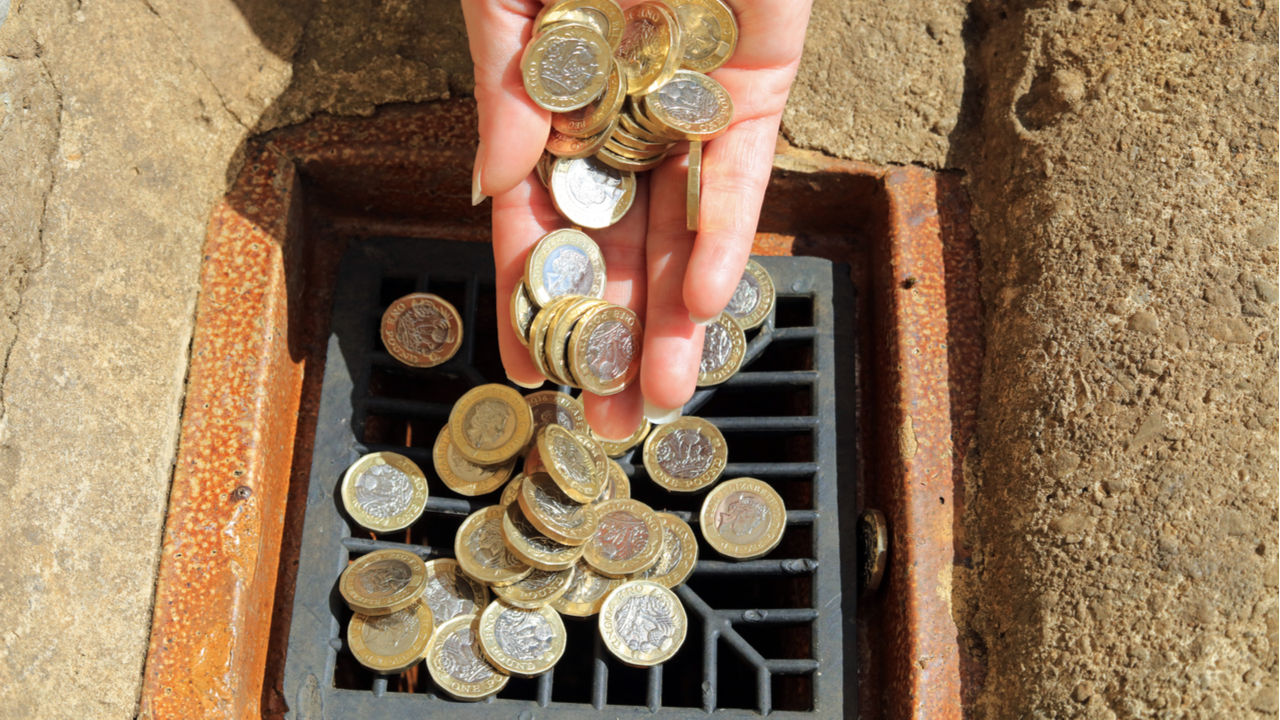
Crypto trading platforms in South Korea are delisting certain digital currencies as they comply with stricter rules for the industry. Some high-risk coins have been either halted or completely suspended on several Korean exchanges this week.
South Korean Exchanges Wipe Trading Lists of Risky Digital Assets
Trying to meet Seoul’s tougher new rules for the cryptocurrency sector, Korean exchanges are now purging their trading lists of high-risk assets. According to a report by Arirang, several crypto trading platforms have temporarily halted or ended the exchange of some digital coins while warning customers to be cautious of other currencies.

Out of 20 exchanges that have already obtained Information Security Management System (ISMS) certification, the publication revealed that 11 had made such changes. Among them are some of Korea’s leading crypto exchange providers, with observes reading the move as an attempt to meet new requirements for government approval.
Upbit has decided to delist five digital currencies – pay coin, maro, observer, solve. Care, and quick starting from Friday. Huobi Korea has discontinued trading of the Huobi token. And Coinbit has ended the trading of eight cryptocurrencies while putting another 28 coins on a warning list issued for its users.
Cryptocurrency Exchanges Trying to Please Banks and Regulators in Seoul
South Korean crypto exchanges are now required to register with the Financial Supervisory Service (FSS). In May, the government tasked the agency with the oversight of the country’s expanding digital asset market. The trading platforms need to open real-name bank accounts for their customers in partnership with local banks to operate legally.
However, Korean financial institutions have been reluctant to get involved in the crypto space. It has been reported recently that only four crypto exchanges – Upbit, Bithumb, Coinone, and Korbit – are currently working with commercial banks to implement the real-name account system.
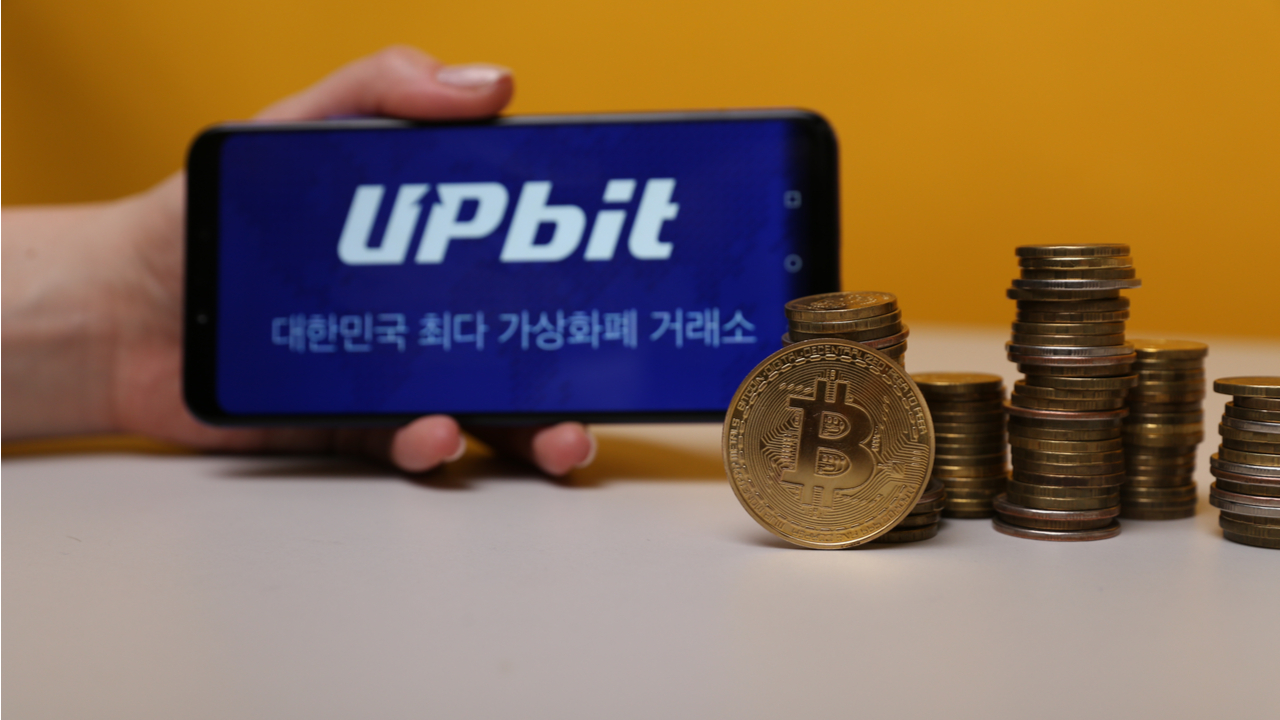
Major banking groups such as Hana have decided not to issue real-name accounts for crypto trading. K Bank, which opens accounts for crypto traders on Upbit, has expressed doubts about whether it should continue to do that. Its management weighs up the proceeds from trading fees against risks such as hacking threats and illicit funds.
In April, the Korean Financial Services Commission (FSC) warned that around 200 domestic platforms could be shut down under the new regulations enforced in September. Many smaller exchanges fail to meet the registration requirements as banks remain concerned they could be held liable for money laundering offenses related to cryptocurrency transactions.

You must be logged in to post a comment.