
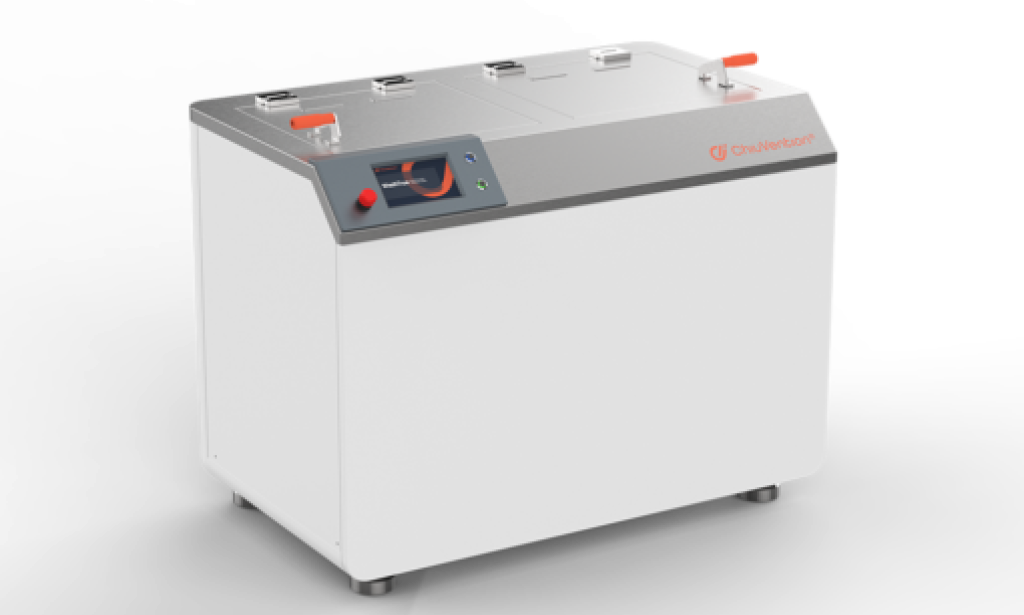
A wash fastness test is a standard quality control procedure used in the textile industry to measure how well a dyed or printed fabric can resist color fading and color bleeding during washing. Since washing is one of the most frequent care processes for garments, understanding how fabrics respond to repeated laundering is essential. This test helps manufacturers ensure that textiles maintain their appearance, durability, and commercial value over time.
What is Wash Fastness in Textiles?
Wash fastness refers to the ability of a fabric to retain its original color when exposed to washing conditions such as water, detergent, temperature, and mechanical action. During dyeing, color molecules are expected to bond strongly with textile fibers. However, if the bonding is weak or improperly fixed, the dye may gradually wash out or transfer to other fabrics.
The wash fastness test is designed to simulate these real-world washing conditions in a controlled laboratory environment. It provides measurable data on how a fabric will behave after repeated laundering cycles.
Objective of Wash Fastness Test
The main objective of the wash fastness test is to assess the durability and stability of textile dyes. It helps in determining:
- Resistance of fabric color to fading during washing
- Tendency of dye to bleed or stain other materials
- Effectiveness of dyeing and finishing processes
- Suitability of fabrics for commercial garment production
By analyzing these factors, textile manufacturers can improve production techniques and ensure consistent product quality.
Principle of Wash Fastness Test
The wash fastness test operates on the principle of reproducing standardized washing conditions in a laboratory setting. A fabric sample is exposed to a detergent solution under controlled temperature, time, and mechanical agitation.
Typically, a test specimen is placed in a sealed container along with a standard multi-fiber fabric. This adjacent fabric helps evaluate staining caused by color transfer. The container is then rotated or agitated in a wash fastness tester, simulating the action of a washing machine.
After the test cycle, the sample is rinsed, dried, and evaluated for changes in color and staining.
Procedure of Wash Fastness Test
The wash fastness test is conducted following international standards such as ISO 105-C06 or AATCC 61. The general procedure includes:
- Sample Preparation: A fabric specimen is cut and attached to a multi-fiber strip.
- Detergent Solution Preparation: A standardized chemical solution is prepared.
- Loading the Equipment: The sample and solution are placed into the testing container.
- Running the Test: The container is subjected to controlled rotation and temperature for a specific time period.
- Post-Treatment: The sample is rinsed and dried under controlled conditions.
- Assessment: Color change and staining are evaluated using standardized grey scales.
This structured method ensures accurate and repeatable results across different laboratories.
Evaluation and Grading System
The results of a wash fastness test are assessed using a grey scale rating system ranging from 1 to 5:
- Grade 5: Excellent wash fastness with no visible change
- Grade 4: Very slight change in color or staining
- Grade 3: Moderate change, acceptable for limited applications
- Grade 2: Noticeable fading or staining
- Grade 1: Severe color loss and poor performance
These ratings help manufacturers determine whether a fabric is suitable for commercial use or requires improvement.
Applications in Textile Industry
The wash fastness test is widely used in multiple areas of textile production, including:
- Fabric Production: Ensuring dyed materials meet quality standards
- Garment Manufacturing: Testing finished clothing for durability
- Dye Development: Improving dye formulas and fixation techniques
- Quality Assurance Labs: Monitoring consistency in production batches
- Export Certification: Meeting international textile requirements
This makes it a vital tool in maintaining product reliability and competitiveness.
Importance of Wash Fastness Test
The importance of the wash fastness test lies in its ability to prevent product failure and enhance customer satisfaction. Fabrics with poor wash fastness may fade quickly, stain other clothes, or lose their aesthetic appeal after a few washes.
By identifying these issues early, manufacturers can optimize dyeing processes, reduce defects, and improve product performance. It also helps textile companies comply with global quality standards, which is especially important in export markets where strict testing requirements are enforced.
Conclusion
A wash fastness test is an essential procedure in textile quality control that evaluates how well fabrics retain their color after washing. By simulating realistic laundering conditions in a controlled environment, it provides accurate and standardized performance data. This enables manufacturers to produce durable, high-quality textiles that meet consumer expectations and international standards, making it a cornerstone of modern textile testing practices.

You must be logged in to post a comment.