

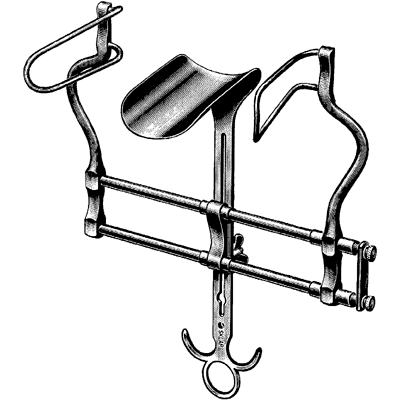
An abdominal retractor is a critical tool in modern surgery to improve visibility and access during abdomen procedures. This simple yet invaluable device has revolutionized the field of surgery, enabling surgeons to work with greater ease and efficiency. This article delves into the history, types, and uses. You will also learn about the considerations in selecting the right one for the job. Whether you're a seasoned surgeon or a medical student, understanding its role essential for successful surgical practice.
A Brief History of Surgical Retractors
The history of surgical retractors dates back to ancient civilizations when crude tools were used to retract tissues for surgical procedures. Over time, these instruments evolved and became more specialized, particularly during the 19th century when retractors were properly designed and manufactured for specific surgical applications.
The introduction of retractors marked a turning point in surgery, enabling surgeons to operate with greater precision, safety, and efficiency. With retractors, tissues could be held back securely, providing a clearer view and easier access to the surgical field. These devices have since evolved in design and functionality, becoming essential tools in modern surgical practice. They are now available in various shapes, sizes, and materials to cater to surgical needs.
Abdominal Retractors: Types and Uses
Various abdominal retractors, each designed for specific surgical applications, are used in modern surgery. The main types include:
Hand-held retractors: These retractors are manually held by surgical assistants or surgeons. They are often used for short procedures requiring quick and precise tissue manipulation. They come in various shapes and sizes, allowing surgeons to select the most suitable one for the specific procedure.
Self-retaining retractors: These retractors can be locked in place, eliminating the need for constant manual adjustment. They are used for longer procedures or when multiple layers of tissue need to be retracted simultaneously. These retractors are especially useful when the surgical team is limited or when precise retraction is required over an extended period.
Table-mounted retractors: These are attached to the operating table and used to provide consistent and stable retraction during surgery. They are especially useful for complex abdominal procedures that require prolonged exposure to the surgical field. They can be adjusted to provide optimal visualization and access to the area being operated on.
Each type of abdominal retractor is designed to retract specific tissues or organs during surgery. The most commonly used recreator include the Balfour, Finochietto, Bookwalter, and Deaver retractors. These retractors vary in shape, size, and function, making them suitable for various surgical procedures. Knowing which retractor to use for a specific procedure is vital for achieving the best surgical outcomes.
Abdominal Retractor in Action
It is a pivotal instrument used in various surgical procedures, such as abdominal exploratory surgery, hernia repair, gastric bypass surgery, and cesarean sections. It is designed to hold back the abdominal wall, organs, and other tissues to give the surgeon an unobstructed view of the surgical field.
Here are the typical steps for using an abdominal retractor during surgery:
Preparation: Before surgery, the surgeon selects the appropriate type and size. The chosen retractor is sterilized and kept ready for use. The surgeon also assesses the patient's abdominal anatomy to determine the optimal placement of the retractor.
Incision: Once the surgeon makes an incision in the abdomen, the retractor is inserted to hold back the tissues and provide a clear view of the operating area. Depending on the surgery, the retractor may be placed laterally, medially, or obliquely, ensuring that the surgeon has optimal access to the target area.
Procedure: With the abdominal retractor in place, the surgeon can perform the required surgical procedure more easily, efficiently, and safely. The retractor may be adjusted throughout the procedure to accommodate different surgery stages and provide the best possible visualization of the operative field.
Removal: After the procedure, the retractor is carefully removed, and the incision is closed. The surgeon will assess the area to ensure proper closure and alignment of tissues.
Post-operative care: After surgery, the surgeon will monitor the patient's recovery and wound healing. Proper post-operative care, including wound management and follow-up appointments, is crucial to ensure optimal surgical outcomes and prevent complications.
Selecting the Right Retractor
The choice of a retractor depends on various factors, including the type of surgery, patient anatomy, surgeon preference, and available resources. The key considerations include:
Type of surgery: Depending on the surgical procedure, different retractors may be more appropriate. For instance, hand-held retractors may be more suitable for short, simple procedures, while self-retaining or table-mounted retractors might be necessary for complex, long-lasting surgeries.
Patient anatomy: Patient factors such as body size, shape, and tissue elasticity can influence the choice of retractor.
Surgeon preference: Surgeons may have personal preferences for certain retractors based on their experience, training, and comfort level.
Available resources: The choice of retractor may also depend on the resources available in the surgical facility, such as budget constraints and equipment availability.
Caring for Your Abdominal Retractor
Proper care and maintenance of abdominal retractors are crucial for ensuring their longevity and optimal performance. Here are some tips for taking care of your retractor:
Clean after every use: Thoroughly clean the retractor after each use to remove any blood, tissue, or debris.
Sterilize: Ensure the retractor is properly sterilized before each use to prevent infections.
Inspect regularly: Regularly inspect the retractor for any signs of wear, damage, or corrosion.
Store properly: Store the retractor in a clean, dry, and organized environment to protect it from damage and contamination.
Handle with care: Handle the retractor with care to prevent damage and ensure optimal performance.
Conclusion
The abdominal retractor is an invaluable tool in modern surgery, providing improved visibility and access during abdominal procedures. Surgeons can achieve better outcomes and ensure patient safety by selecting the right type of retractor for the job, taking proper care of it, and using it skillfully. For all your medical supply needs, including high-quality retractors, look no further than Medical Supply Group, a trusted name in the industry.

You must be logged in to post a comment.