
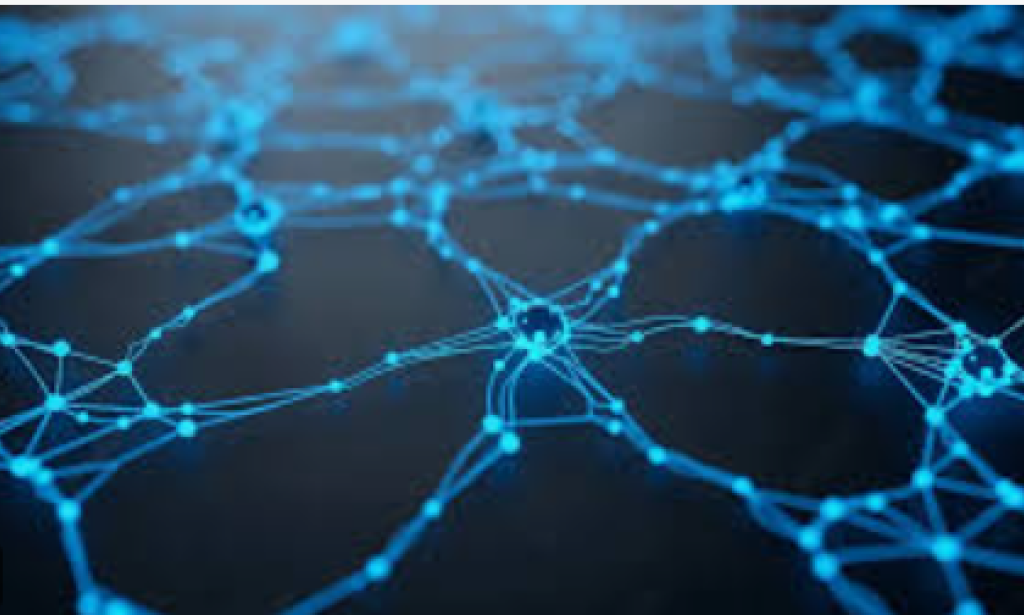
The internet we use today is heavily centralized. A handful of massive tech corporations control our private data, social profiles, and online identities. 🏢 However, a major technological shift called Web3 is starting to change everything. Powered by secure blockchain networks, Web3 aims to build a completely free internet where users have ultimate ownership. Learning how to understand this new era is key to staying ahead in tech. 🚀
1. 📜 Evolution from Web1 to Web2 and Beyond
To understand Web3, we must look backward. Web1 was the early internet of the 1990s, where users could only read static text pages. 💾 Today's Web2 is interactive, allowing us to upload videos and share posts on social apps, but giant tech monopolies own all that content. Web3 introduces a "read, write, and own" system. 👑
2. 🔗 The Power of Blockchain Decentralization
In the Web3 system, data is not stored on a single corporate server. 🖥️ Instead, it is distributed across an independent network of thousands of computers globally using secure blockchain technology. This decentralized layout makes the internet practically impossible to shut down, hack, or block by any single central authority. 🛡️
3. 🔐 Complete Ownership of Your Digital Identity
In our current Web2 world, if a social media platform deletes your profile, you lose your entire online presence instantly. 📉 In Web3, your digital identity is tied to a secure cryptographic wallet owned entirely by you. You can move your followers, data, and digital items freely between different apps without asking for permission. 🔑
4. 💰 The Rise of Digital Tokens and Smarter Contracts
Web3 runs on decentralized apps (dApps) that use smart contracts. ⚡ These are self-executing digital agreements that operate automatically without needing middle-men like banks or brokers. Transactions, digital art ownership, and payments happen directly between users, making online business faster, cheaper, and transparent. 🪙
5. 🚧 The Current Challenges Facing Web3 Apps
While the concept of Web3 is beautiful, it still faces heavy hurdles. ⏳ Most blockchain apps are currently difficult for ordinary people to use and navigate. Furthermore, processing thousands of decentralized transactions takes more time, meaning the tech must become faster before replacing our current smooth Web2 experience. ⚙️
Conclusion 💡
Web3 represents a bold, exciting vision for the future of human connectivity. 🌟 It promises an internet that is fairer, more secure, and controlled by the community rather than greedy monopolies. As the tech matures, it will redefine how we live our online lives. 👑

You must be logged in to post a comment.