

The automotive industry is witnessing a transformative era as connected cars pave the way for a smarter, more efficient future. In 2024, the connected car market is not just about vehicles with internet access but represents a broader ecosystem that integrates advanced technologies, enhancing safety, convenience, and driving experiences.
Growth and Market Trends
The global connected car market is booming. With advancements in IoT, 5G networks, and artificial intelligence, the market is projected to grow significantly. Analysts forecast that the market, which was valued at around $70 billion in 2020, is expected to surpass $150 billion by 2024. This growth is driven by the increasing demand for safety features, rising adoption of electric vehicles, and the automotive industry's shift toward autonomous driving.
Safety and Efficiency
One of the primary drivers behind the connected car revolution is safety. Connected cars are equipped with advanced driver-assistance systems (ADAS) that include features like collision avoidance, lane-keeping assistance, and automatic emergency braking. These technologies not only help in reducing accidents but also provide real-time data to improve traffic management and reduce congestion.
Additionally, connected cars contribute to overall efficiency. With real-time traffic updates, route optimization, and predictive maintenance alerts, drivers can save time and reduce fuel consumption. For instance, a connected car can notify the driver of potential mechanical issues before they become severe, allowing for proactive maintenance and minimizing downtime.
The Role of 5G
The deployment of 5G technology is a game-changer for the connected car market. With its high-speed, low-latency capabilities, 5G enables faster and more reliable communication between vehicles and infrastructure. This enhanced connectivity supports the development of Vehicle-to-Everything (V2X) communication, which allows cars to interact with each other, traffic signals, and even pedestrians. V2X communication is crucial for the advancement of autonomous driving, as it provides the necessary data for vehicles to navigate complex urban environments safely.
Consumer Experience
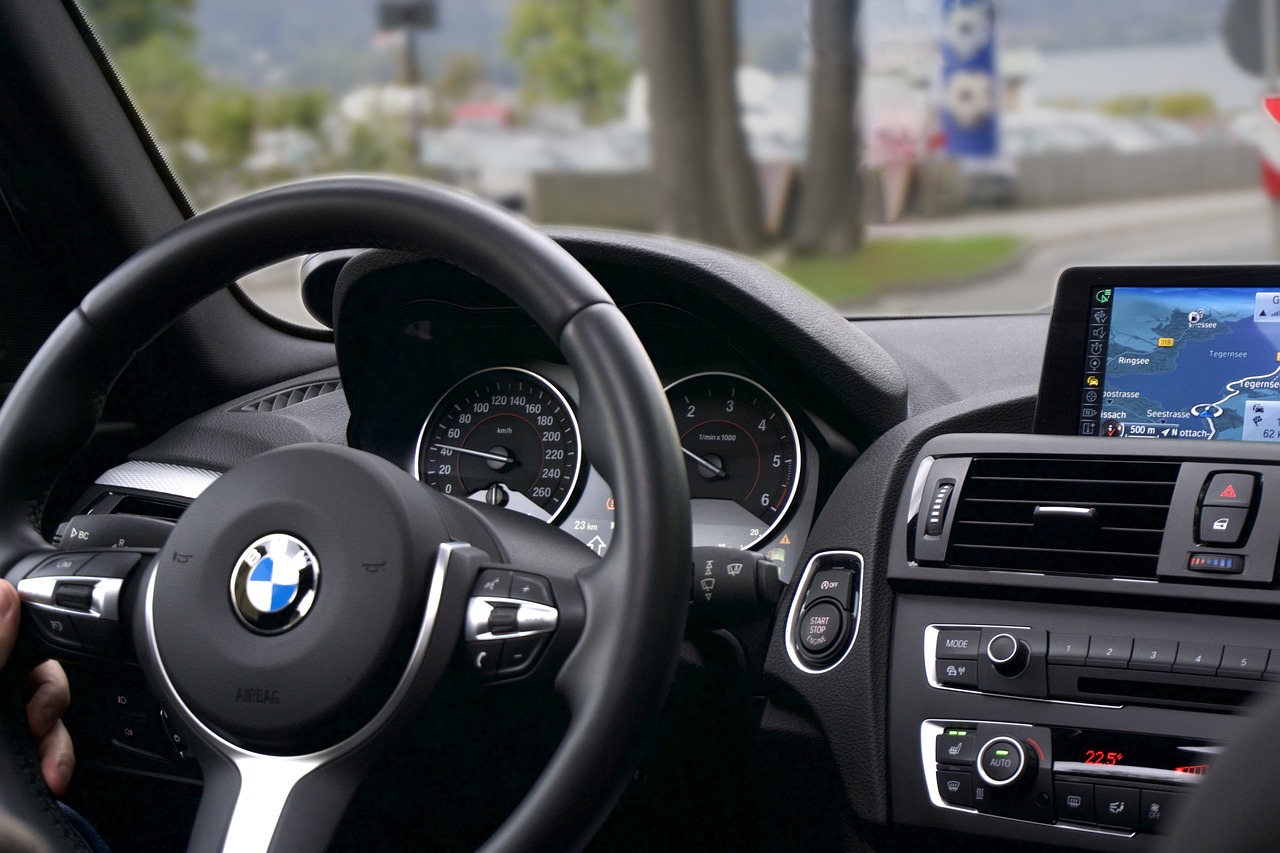
For consumers, connected cars offer a range of benefits that enhance the driving experience. Infotainment systems have become more sophisticated, providing seamless integration with smartphones, voice assistants, and streaming services. Features like remote start, climate control, and vehicle tracking via mobile apps add an extra layer of convenience and control for car owners.
Moreover, connected cars are at the forefront of the shared mobility trend. Car-sharing and ride-hailing services rely heavily on connected car technology to monitor vehicle health, optimize routes, and ensure passenger safety. This trend is particularly appealing to urban dwellers who prioritize convenience and cost-efficiency over car ownership.
Challenges and Future Outlook
Despite the promising outlook, the connected car market faces several challenges. Data security and privacy concerns are at the forefront, as vehicles collect vast amounts of personal data. Ensuring robust cybersecurity measures to protect against hacking and unauthorized access is critical.
For More Info: - https://www.gmiresearch.com/report/global-connected-car-market/
Additionally, the integration of connected car technologies requires substantial investment in infrastructure, including the development of smart roads and traffic systems. Governments and private sectors must collaborate to create an environment conducive to the growth of connected car ecosystems.
Looking ahead, the connected car market in 2024 is set to revolutionize the way we think about transportation. As technology continues to evolve, the lines between cars, technology, and everyday life will blur, creating a seamless, interconnected world where mobility is smarter, safer, and more efficient. The journey toward this future is already underway, and it's an exciting ride.

You must be logged in to post a comment.