

Hey, their reader’s wondering what pre-diabetes is; it's when your blood sugar is high but not yet within the diabetes range.
Does pre-diabetes always progress into diabetes? Well, 5 to 10 percent of people with pre-diabetes develop diabetes each year. This means you still have time to control your rising sugar levels and prevent diabetes.
Experts estimate around 70 percent of people with pre-diabetes go on to develop the full-blown version.
In today's blog, we're going to share
- Diet tips for people with pre-diabetes
- Which foods should you eat and which should you avoid and
- What's the dash diet
We'll be talking about all of these and more.
#1 Food to eat and avoid
Research has shown that for every 2 pounds (0.9 Kg) of weight you lose each year, you reduce the chance of diabetes by 16 %, and if you can maintain that sort of weight reduction for three years, your risk of diabetes goes down by as much as 58%.
For this reason, you must maintain a diet that will help you shed all those extra pounds. Your diet should ideally have foods that are:
- Low in carbohydrates
- Low in calories and
- High in fiber
To achieve this eat a lot of vegetables and whole grains; if you want to eat meat, stick to lean meat and avoid extra carbohydrates, legumes that are rich in protein are also a good option to have as part of your diet.
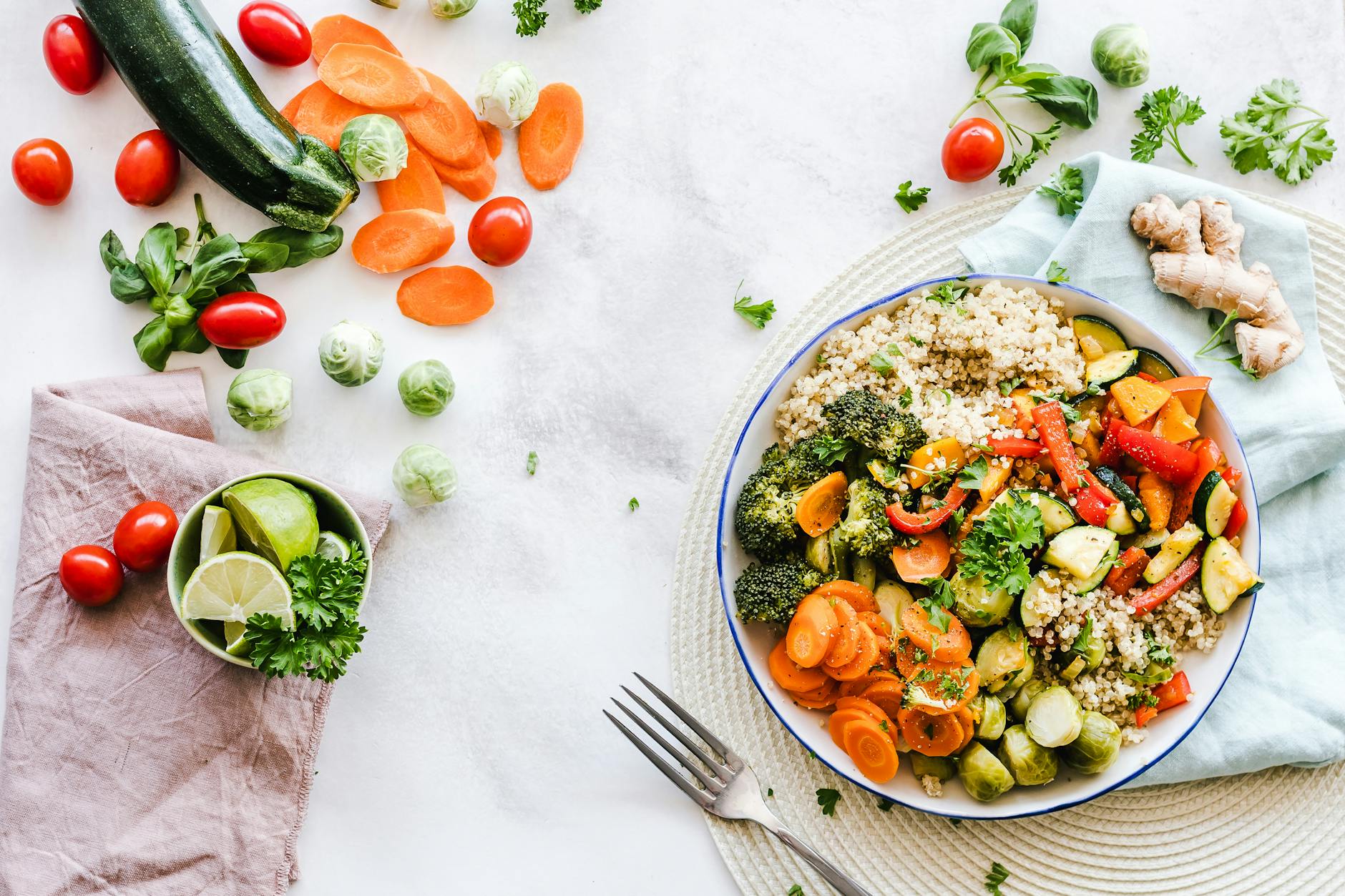
You should try to avoid sugar as much as possible keep in mind that not all sources of sugar are evil, fruits come with sugar, but they also have a lot of fiber and other minerals. Well, fruit is good as long as it's in limited amounts.
Looking for some food suggestions, how about you start your day with fatty fish and leafy greens? Salmon salad is a great option to start with. Maybe some avocado toast and boiled eggs for breakfast, eggs, and avocados are good for your blood sugar levels.
Chia seeds, yogurt, beans, and nuts are healthy as well. You can have chia seeds and Greek yogurt pudding as a snack top it up with roasted pecans, almonds, and walnuts.
Do you monitor your daily calorie intake? Do you eat veggies every day? Share your preferences comments below.
#2 Glycemic index
The glycemic index is a system based on the speed sugar reaches your bloodstream; this can be a useful tool to figure out which carbohydrates are healthy, especially for people with diabetes that need to avoid carbohydrates and added sugar, the highest score on the GI is a 100 and the lowest is 0, the higher the score, the faster the sugar reaches your blood.
Some foods; however, break the 100 marks; this is because they cause sugar levels to skyrocket; rusted potatoes, for example, have a GI rating of 111.

If you're eating foods that contain refined sugar, their GI score will be higher than the sugar you add by eating fruits; one thing to remember is that the more fruits and vegetables ripen, the higher their GI score goes up. Research has shown that foods with a high GI number and high carbohydrates can increase the chances of hyperglycemia in patients with type 2 diabetes.
| Also, read How to Prevent Pimples And Reduce Pimples On Face Naturally. |
#3 Count carbohydrates
Cutting carbohydrates completely from your diet is not a healthy thing to do. Some foods containing high carbohydrates provide other essential nutrients; instead, it would be more helpful if you counted the carbohydrates you consume and kept them to a minimum.
For instance, potatoes, peas, and corn are starchy vegetables that are quite high in carbohydrates.
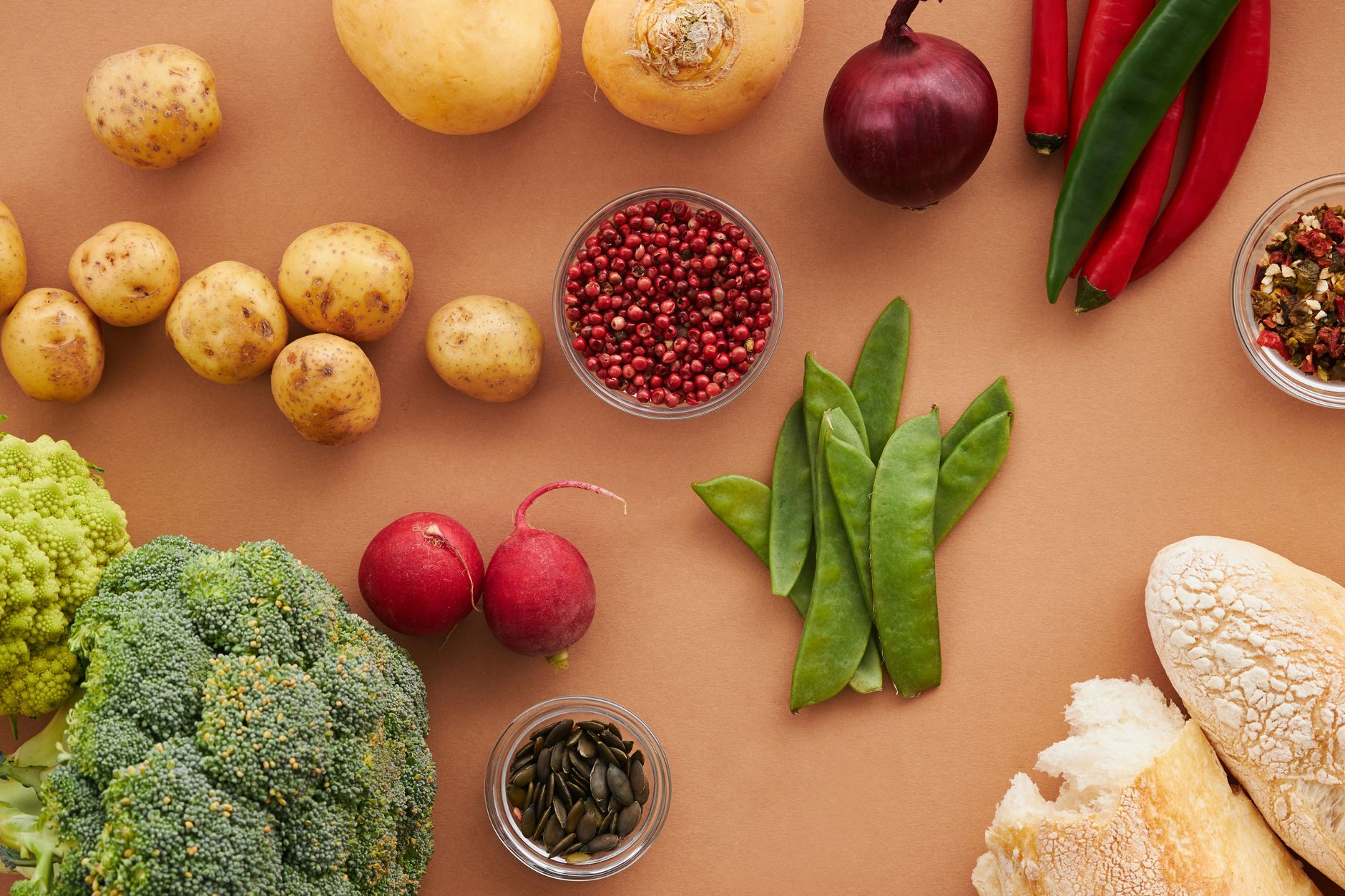
When you're eating them, it's necessary to keep portions to a minimum; this way, you can avoid a spike in your blood sugar levels; one cup of any of these vegetables comes with 30 grams of carbohydrates.
One way is to look for alternatives that are low in carbohydrates but still give the same amount of nutrients instead of starchy vegetables you can eat asparagus and broccoli, carrots and celery are also good options to add to your diet other alternatives are low on carbohydrates but high on fiber and nutrients. Tomatoes, spinach, zucchini, and peppers are all options you can include in your diet.
Research suggests you should have about 45 to 65 % of your diet as carbohydrates.
#4 Eat regular meals
If you have pre-diabetes, you must keep your blood sugar level as steady as possible; fasting or eating food with high GI can cause sugar levels to change significantly. Instead, you should try eating smaller meals at regular intervals to maintain your glucose levels.
It's recommended that you eat 3 portioned meals a day spaced out no more than six hours apart, but that doesn't mean you can eat anything; as long as you stick to this rule, you should make sure each meal is balanced with proteins, fats, and carbohydrates it may be difficult to determine this which is why the plate method comes in handy.

Experts recommend that around half your plate should be made up of fruits and vegetables; a quarter of the plate can be meter fish or any other protein sources; another quarter of the plate should be for foods with carbohydrates like whole grains.
Research has shown that eating smaller portions can help people lose weight. You should try and regulate your food intake and stick to the schedule recommended if this means following the plate method, do that.
#5 Dash diet
Health experts recommend following the dietary approaches to stop hypertension, also known as a dash. This diet consists of counting carbohydrates while also being aware of the GI score.

It typically helps people with pre-diabetes keep their sugar levels in check; the main agenda behind the dash diet is not to reduce your calorie count but to make healthier choices with the food you eat.
The dash diet encourages you to eat more vegetables and fruits along with whole grains and fat-free dairy products fish and poultry are also good options, while beans and nuts give you protein.
For those suffering from pre-diabetes, foods such as fatty meat and sugary drinks are a major no. You should also avoid full-fat dairy.
Products you should also drop coconut and palm oil avoids candy as much as you can.
#6 Eating out
If you have pre-diabetes, it does not necessarily mean you should avoid going out to eat, but you should always be conscious about the restaurant you go to.
For example, please make it a point to go to restaurants that have healthy food options you thought counting calories was hard to try persuading your family and friends to go to a different restaurant than the ones they're used to, whichever place you end up choosing one of your choices should be a salad.
Just avoid the high-calorie dressings if you can't have it without the dressing your best choice would be to use a bit of olive oil or lemon juice nothing more, you should try to avoid going to restaurants where the buffet is the only option with buffets you're tempted to put more on your plate than necessary you also tend to have more than one plate.
When you go out to eat, try to focus on the quality of the food in terms of fresh ingredients used rather than going for quantity. If the restaurant's menu has a list of calories for every dish, this will work in your favor. You get to control the number of calories you consume.
If you're consistently going out to restaurants, you're probably drinking sodas or beer; you should avoid that temptation. Instead, stick to sparkling water with ice. If you want to make it fancy, just add a slice of lemon. It tastes great.
You can definitely stop your prediabetes from turning into diabetes. If you do end up getting diabetes, all is not lost. You just need the right information.
There are so many healthy snack options for people with diabetes. For instance, there are fruits you should be eating as well as others you should avoid.
If you like this, rate us, comment down the questions you have, and tell the suggestion for us.

You must be logged in to post a comment.