

Introduction
Building a Z scale train layout is one of the most exciting projects for model railway enthusiasts who appreciate detail, precision, and creativity. With its compact 1:220 ratio, Z scale allows hobbyists to design immersive miniature worlds within very limited spaces. However, because everything is so small, perfect planning and careful execution are essential. From choosing a theme to wiring your tracks, every decision influences the realism and performance of the final layout. This professional guide will walk you through the complete process of planning and building a high-quality Z scale train layout that looks stunning, runs smoothly, and stands the test of time.
Why Z Scale Is an Excellent Choice
Z scale is highly valued for its ability to fit an impressive amount of track and scenery into small areas. Whether you have a spare corner of a desk, a coffee table, or a portable board, Z scale allows you to create complex worlds without needing a dedicated room. Despite its size, modern Z scale trains feature impressive detailing, reliable motors, and precise craftsmanship.
Another advantage is its portability. Unlike larger scales, Z scale layouts are lightweight and easy to move or display. With the right structure and creative approach, your layout can look professional while remaining compact and manageable.
Planning Your Z Scale Layout
Choose a Layout Theme
Choose a theme that guides your scenery and structure placement. Popular themes include urban downtowns, countryside settings, mountain regions, industrial zones, and European villages. A clear theme ensures your layout looks cohesive rather than cluttered.
Measure Your Available Space
Even in Z scale, precise measurement matters. Determine length, width, and depth. Leave space for wiring, scenery, and access points.
Sketch Your Initial Plan
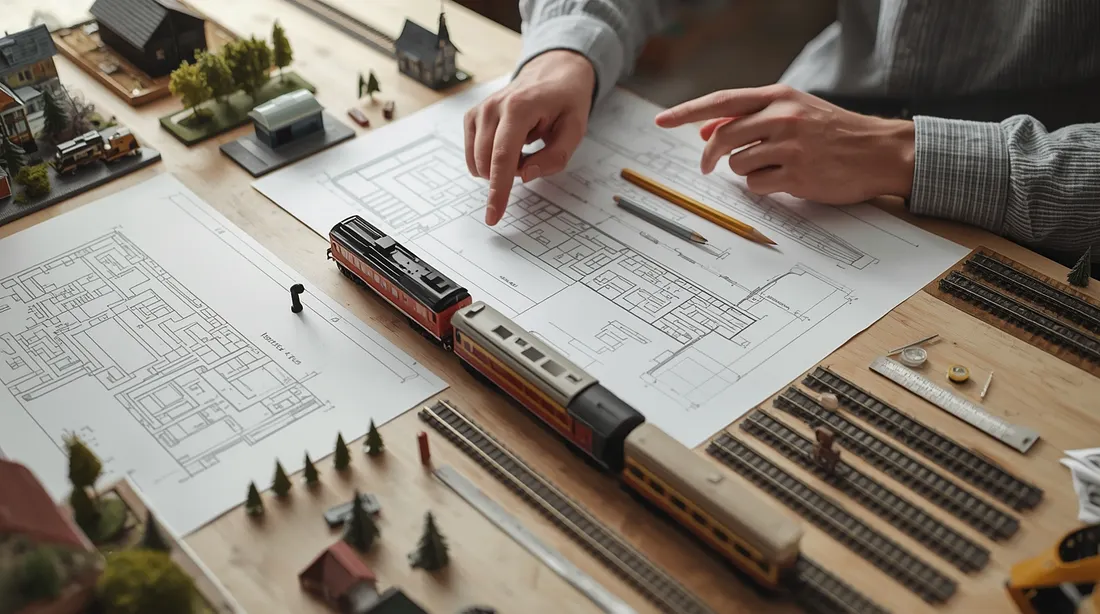
Create a simple sketch that includes track routes, scenery zones, elevation changes, building placement, and wiring paths. Planning ahead avoids costly mistakes later.
Designing a Realistic Track Plan
Your track plan is the core of your layout.
-
Use smooth, wide curves
-
Add elevation layers for depth
-
Include sidings and loops
-
Avoid overcrowding
-
Balance scenery with track flow
Spend time refining the layout until everything fits your theme and space.
Building a Strong and Stable Baseboard
Choose durable materials like plywood, MDF, or foam board. Reinforce the underside to prevent bending. Ensure the board is level and allows wiring access.
Installing Tracks with Precision
Z scale tracks are delicate, so accuracy is essential.
-
Test track pieces before securing
-
Use minimal adhesive
-
Maintain clean electrical joints
-
Run a train after each section
Proper installation reduces derailments and electrical issues.
Creating Realistic and Engaging Scenery
Scenery transforms your track into a living miniature world.
-
Use realistic ground textures
-
Add buildings that match your theme
-
Create water features with resin
-
Place small details like street lamps, people, and vehicles
The more attention you give to scenery, the more stunning your layout becomes.
Wiring and Electrical Setup
Good wiring ensures smooth, consistent power.
-
Use a bus and feeder system
-
Solder when possible
-
Label wires clearly
-
Consider using DCC for advanced control
Proper wiring reduces interruptions and keeps operations reliable.
Testing and Improving Your Layout
Run trains across every section to check for derailments, speed changes, or track misalignment. Adjust and refine until the layout runs perfectly.
Maintenance for Long-Term Performance
Maintain your Z scale layout by cleaning tracks, lubricating locomotives lightly, dusting scenery, and checking connections. Regular maintenance keeps your layout running like new.
Conclusion
Building a high-quality Z scale train layout is a deeply rewarding hobby that blends creativity, craftsmanship, and technical precision. With proper planning, thoughtful design, careful installation, and ongoing maintenance, your Z scale layout can become a stunning miniature world that delivers long-term enjoyment.
Frequently Asked Questions
1. Is the Z scale suitable for beginners?
Yes, beginners can enjoy Z scale as long as they start with a simple layout and expand gradually. Patience and attention to detail are essential due to the small size.
2. How can I make my Z scale trains run smoothly?
Keep the track clean, use reliable wiring, ensure proper alignment, and choose high-quality locomotives. Regular maintenance improves overall performance.
3. What is the best way to design a small Z scale layout?
Focus on gentle curves, balanced scenery, and a clear theme. Use multi-level designs to maximize space and add visual depth.

You must be logged in to post a comment.