
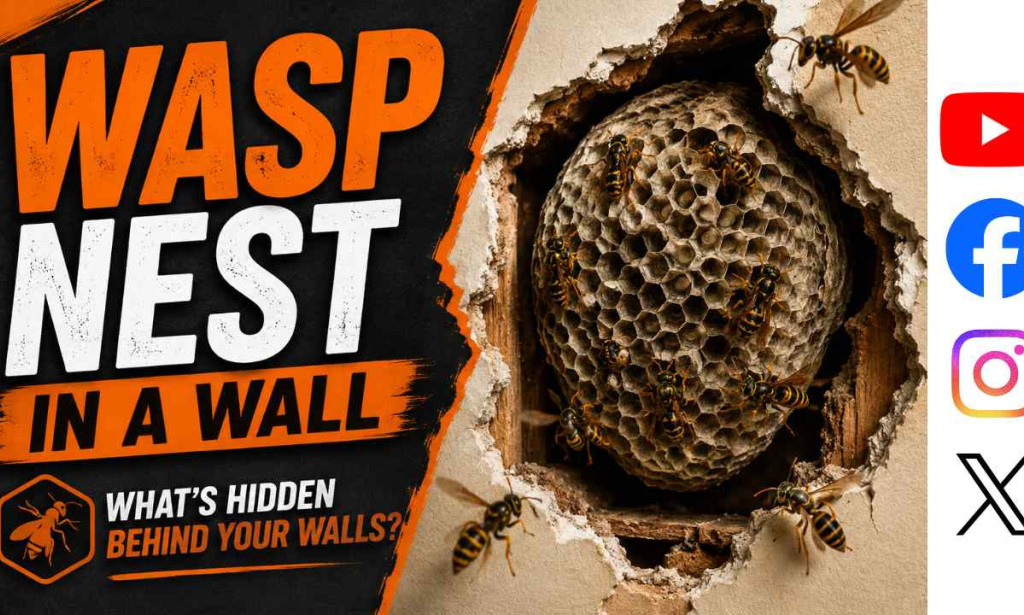
As temperatures begin to rise across Canada, homeowners look forward to spending more time outdoors, opening windows, and tackling seasonal home maintenance. Unfortunately, warmer weather also marks the beginning of peak insect season. Ants, wasps, cockroaches, spiders, flies, and other common pests become increasingly active as they search for food, water, and shelter.
The good news is that many pest problems can be prevented before they begin. Taking a proactive approach to pest-proof your home not only reduces the likelihood of infestations but also helps protect your property's structure, improves indoor comfort, and can save money on future repairs.
In this guide, we'll explore practical steps every Canadian homeowner can take to keep insects outside where they belong.
Why Pest Prevention Matters
Many insects enter homes through surprisingly small openings. Tiny cracks around foundations, gaps beneath doors, damaged window screens, and utility penetrations all provide easy access.
According to industry estimates, rodents can squeeze through openings as small as 6 mm, while many insects require even less space. Once inside, they often find everything they need to thrive: warmth, moisture, food, and places to hide.
Preventative maintenance is far more effective and less expensive than dealing with a well-established infestation.
Inspect Your Home's Exterior
One of the best ways to pest-proof your home is by conducting a detailed pest inspection of the exterior before insect activity peaks.
Walk around your property and look for:
-
Cracks in the foundation
-
Gaps around windows and doors
-
Openings around pipes, vents, and utility lines
-
Loose siding
-
Damaged roof shingles
-
Missing mortar around bricks
-
Torn window screens
Even small openings can become entry points for insects.
Seal Entry Points
Use appropriate exterior-grade caulk to seal cracks around windows and siding. Larger openings may require expanding foam, weatherstripping, or replacement trim.
Pay special attention to:
-
Air conditioning lines
-
Outdoor faucets
-
Electrical conduits
-
Cable and internet entry points
-
Dryer and exhaust vents
These areas are frequently overlooked during routine maintenance.
Keep Moisture Under Control
Moisture attracts many household pests, including cockroaches, silverfish, earwigs, and certain ant species.
Inspect your home for:
-
Leaking outdoor faucets
-
Clogged gutters
-
Standing water
-
Poor drainage around the foundation
-
Damp crawl spaces
-
Basement humidity
Clean gutters regularly and ensure downspouts direct water away from the home's foundation. Inside the home, repair plumbing leaks promptly and use a dehumidifier if humidity levels remain consistently high.
Reducing excess moisture makes your home far less attractive to insects.
Maintain Your Yard
Your landscaping plays a significant role in pest prevention.
Dense vegetation, overgrown shrubs, piles of leaves, and stacked firewood create ideal hiding places for insects before they move indoors.
To reduce risk:
-
Trim shrubs away from exterior walls.
-
Keep tree branches from touching the roof.
-
Remove leaf litter regularly.
-
Store firewood away from the house.
-
Mow grass consistently.
-
Remove unnecessary debris from the yard.
A tidy landscape creates fewer opportunities for pests to establish themselves near your home.
Store Food Properly
Many insects enter homes searching for an easy food source.
Simple habits can make a significant difference:
-
Store pantry items in airtight containers.
-
Clean kitchen counters daily.
-
Sweep up crumbs after meals.
-
Empty indoor garbage regularly.
-
Rinse recycling before storing it.
-
Avoid leaving pet food out overnight.
These steps help discourage ants, cockroaches, pantry pests, and flies.
Check Doors and Windows
Doors and windows are among the most common insect entry points.
Inspect weatherstripping for wear and replace damaged seals. Repair torn window screens and ensure screen doors close properly without leaving gaps.
Installing quality door sweeps can also help block crawling insects from entering underneath exterior doors.
Eliminate Standing Water
Standing water creates favourable conditions for numerous insects.
Inspect your property for:
-
Bird baths
-
Plant saucers
-
Buckets
-
Children's toys
-
Blocked gutters
-
Poorly drained landscaping
Empty or refresh standing water regularly to reduce insect activity around your property.
Organize Storage Areas
Garages, basements, and storage rooms often become ideal hiding places because they are dark, quiet, and cluttered.
Instead of storing items directly on the floor:
-
Use shelving whenever possible.
-
Keep cardboard boxes to a minimum.
-
Choose sealed plastic storage containers.
-
Remove unnecessary clutter regularly.
Better organization also makes routine inspections much easier.
Watch for Early Warning Signs
Early detection can prevent a small problem from becoming a major infestation.
Look for:
-
Small droppings
-
Shed insect skins
-
Egg cases
-
Chewed packaging
-
Unusual odours
-
Sawdust-like material near wooden structures
-
Live insects appearing more frequently indoors
Responding quickly often limits the extent of pest activity.
Don't Forget Seasonal Maintenance
Many homeowners focus on cleaning inside their homes while overlooking important exterior maintenance.
A seasonal checklist can include:
Spring
-
Inspect the foundation.
-
Repair screens.
-
Clean gutters.
-
Trim vegetation.
-
Seal exterior gaps.
Summer
-
Monitor outdoor garbage storage.
-
Check for wasp nest activity around eaves.
-
Keep lawns maintained.
-
Remove standing water.
Fall
-
Seal new cracks before temperatures drop.
-
Store firewood properly.
-
Clean leaves away from the foundation.
-
Inspect attic and roof vents.
Following seasonal routines helps maintain year-round protection.
Why Prevention Is More Cost-Effective
Waiting until insects become noticeable often allows populations to grow significantly.
Many pests reproduce rapidly under favourable conditions. For example, some ant colonies can contain thousands of workers, while cockroaches multiply quickly once they establish access to food and moisture.
Preventative maintenance typically involves inexpensive repairs such as sealing gaps, improving drainage, and maintaining landscaping. These small investments can help homeowners avoid more extensive repairs and pest-related expenses later.
Final Thoughts
Learning how to pest-proof your home before peak insect season is one of the smartest investments homeowners can make. By sealing entry points, reducing moisture, maintaining your yard, storing food properly, and staying alert for early warning signs, you can significantly reduce the chances of unwanted pests entering your home.
Regular home maintenance not only protects against insects but also helps preserve your property's value and creates a healthier, more comfortable living environment. A proactive approach today can help prevent bigger problems tomorrow, allowing you to enjoy the warmer months with greater peace of mind.

You must be logged in to post a comment.