

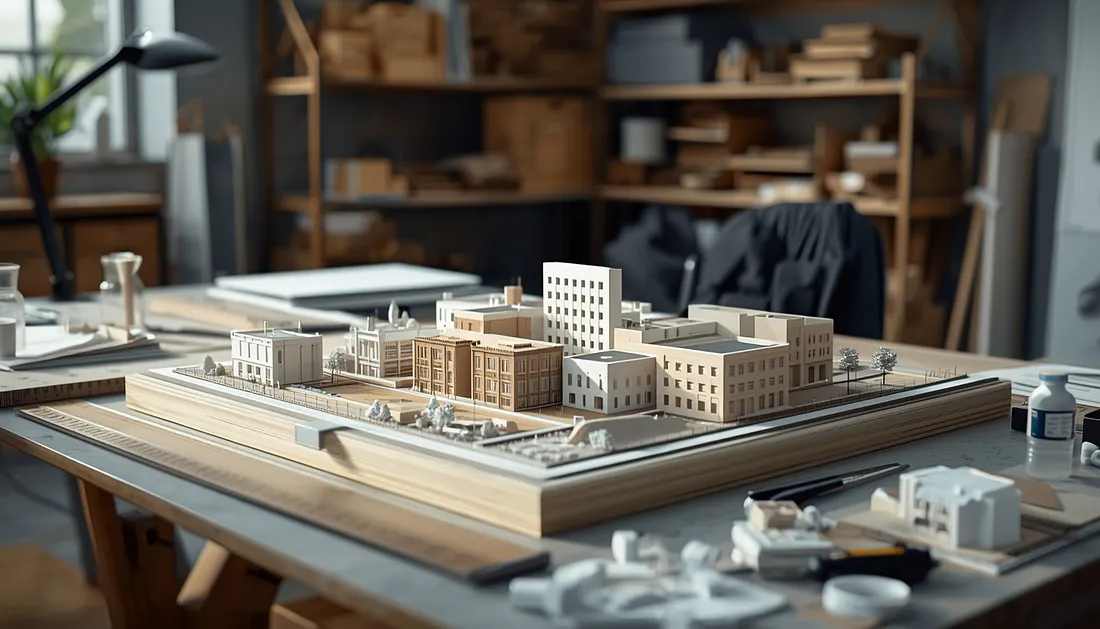
In the world of design, engineering, architecture, and product development, the journey from concept to completion is rarely straightforward. Behind every remarkable final output lies a series of iterations, refinements, and tests, which is exactly where prototyping model making becomes invaluable. This process is not just an early step in development, it is a foundational practice that significantly elevates the quality, usability, and success of the final model or product.
Prototyping is more than a simple mock‑up. It is a tangible, often functional representation of an idea, serving as a bridge between imagination and reality. Whether you are shaping a new architectural concept, engineering a complex machine, or crafting a consumer product, the benefits of prototyping model making are universal and powerful.
In this blog, we will explore how prototyping contributes to superior final outcomes, help you understand why investing time in early models pays huge dividends, and clarify how professional techniques, like those used by skilled practitioners such as Maadhu Creatives, can elevate your build from good to outstanding.
What Is Prototyping Model Making?
Prototyping model making is the process of creating a preliminary version, or versions, of a design. Unlike digital sketches or theoretical drawings, prototypes are physical or highly realistic models that reflect how a final product might look, feel, or function.
Prototypes can vary in complexity, from simple foam or cardboard mock‑ups used for early visual decisions to detailed scale models with moving parts and accurate materials. Their primary goal is to test assumptions, validate concepts, and refine designs before engaging in full‑scale production.
1. Clarifying the Vision, Turning Ideas into Tangible Form
One of the most meaningful benefits of prototyping is the transition from abstract concepts to concrete form. Designers often brainstorm ideas that look perfect on paper or on screen, but only reveal their strengths and weaknesses when they take physical shape.
A prototype gives stakeholders, designers, engineers, clients, or end-users something to touch and interact with. When people can hold something in their hands, they understand it better. This instant clarity reduces misunderstandings and aligns expectations.
For example, product designers can discover ergonomic flaws, structural weaknesses, or aesthetic issues that were completely invisible in a digital design. In architectural modeling, spatial relationships become evident only when viewed in 3D, especially at a human scale.
In this context, a prototype is not a hurdle, it is a powerful communication tool.
2. Encouraging Iteration, The Heart of Improvement
Iteration means making small changes over multiple cycles. The beauty of prototyping is that it naturally invites iteration. Each version teaches something new.
Without a prototype, teams often rely on guesswork or simulations alone, which can miss subtle but critical issues. However, when a design is physically built, teams can:
-
Evaluate proportions more accurately
-
Test assembly sequences
-
Check physical constraints and tolerances
-
Validate material choices
Each iteration brings you closer to a refined and reliable final model. Far from being wasted effort, these steps reduce mistakes, prevent costly last‑minute changes, and promote smarter decision-making.
3. Improving Functionality Before Final Production
A well‑executed prototype helps measure functionality under real-world conditions. For mechanical devices, this may mean testing movement, tolerance, or component fit. For architectural or product designs, it may mean checking user flow, ergonomics, or aesthetic cohesion.
For instance, consider a new piece of furniture, the prototype reveals whether the angling of a chair back truly supports comfort, or if a table’s height feels awkward. These are nuances that digital designs often miss.
Early detection of functional issues prevents frustration later and allows designers to optimize performance before full-scale production, saving both time and money.
4. Saving Costs in the Long Run
Skipping prototyping might seem like a shortcut, but it often creates unexpected expenses. Incomplete validations can lead to production errors, redesigns, and delays, each costing significantly more in terms of resources than one or more prototype iterations.
By investing in prototypes early, especially high-quality ones, teams reduce the risk of:
-
Re-engineering parts after production begins
-
Extensive revisions during manufacturing
-
Product recalls or redesigns post-launch
-
Customer dissatisfaction due to overlooked design flaws
In contrast, a thoughtful prototyping process limits waste and ensures that the final model is tested, refined, and validated.
5. Balancing Aesthetics with Practicality
Design is not just about function, it is also about how something looks, feels, and connects with people. Prototyping allows designers to experiment with aesthetics and practical usability simultaneously.
A model built to scale shows texture, light interactions, and proportions that no rendering can fully capture. Visual elements like curves, surface treatments, or material finishes can be evaluated and adjusted before they become permanent.
This balance of beauty and practicality often defines great outcomes. A final model that is both functional and visually compelling is more likely to succeed, whether it is on the marketplace or in a presentation.
6. Enhancing Collaboration Across Teams
Prototyping brings multidisciplinary teams together. Engineers, designers, project managers, and clients can stand around a physical model and discuss insights in real time. This shared experience fosters:
-
Better communication
-
Faster problem solving
-
Greater buy-in from stakeholders
-
Clearer project alignment
Rather than debating abstract features or interpretations, teams can point to the model, a shared reference that makes discussions more precise and productive.
7. Real-World Testing and User Feedback
Perhaps one of the most powerful advantages of prototyping is the ability to collect real user feedback before launching anything final. Users interacting with a prototype often reveal unexpected insights:
-
Confusing interfaces
-
Misaligned expectations
-
Preferential feedback on design choices
This early testing ensures that the final product meets user needs and avoids assumption-based decisions. Authentic feedback often leads to better adoption, greater satisfaction, and a stronger product reputation after launch.
8. Professional Model Makers, Elevating Prototypes to Insights
Prototyping does not have to be a DIY exercise, and often it should not be. Professional model makers bring experience, craftsmanship, and problem-solving skills that enhance your prototype’s effectiveness.
For example, studios like Maadhu Creatives specialize in crafting scale models with remarkable detail and realism. Their work demonstrates how a prototype can look natural and intuitive, not promotional or superficial. When a model has that level of presence, it becomes a stronger tool for evaluation, engagement, and presentation without distracting from the design intent.
Professionals help you:
-
Choose the right materials
-
Balance structural accuracy with aesthetic clarity
-
Highlight core design features without superficial embellishment
-
Ensure precision and durability
Their contributions make prototypes more than placeholders, they become powerful assets in development and communication.
9. Bridging Imagination and Implementation
At its core, prototyping model making is about making ideas more tangible and testable. It bridges imagination with implementation, allowing creators to:
-
Validate assumptions
-
Improve user experiences
-
Reduce costly revisions
-
Build confidence in decisions
The quality of a final model often reflects the rigor of the prototyping process behind it. When thoughtful planning, skilled craftsmanship, and iteration come together, the end result is a model that feels polished and purposeful.
10. Final Thoughts, Prototyping Is a Strategic Advantage
In a competitive environment where innovation and quality matter, prototyping is not a luxury, it is a strategic advantage. Whether you are unveiling a new product design, presenting to clients, or preparing for production, the clarity gained through model making will always strengthen your outcomes.
Great prototypes lead to better products. Better products lead to smoother implementation. And smoother implementation leads to experiences, for clients, users, and teams, that are both satisfying and successful.
By investing in thoughtful prototyping, you invest in the quality and credibility of your final model.
FAQs:
1. Why is prototyping model making essential before final production?
Prototyping helps identify design issues early, ensuring functionality, aesthetics, and usability are solid before committing to full production, which saves time and reduces costs.
2. How does a physical prototype differ from a digital model?
A physical prototype reveals real-world interactions such as ergonomics, material feel, and spatial relationships that digital models cannot fully simulate.
3. Can professional prototype makers improve the final design?
Yes, experienced model makers bring precision, material expertise, and visual clarity that enhance the prototype’s usefulness without making it look promotional.

You must be logged in to post a comment.