

5 Steps To Make Money From Your Website:
Let’s take a look at how you can convert a website into a money-making machine.
1. Zero in on a Monetization Strategy:
When it comes to making money with websites, we recommend implementing a variety of strategies. After all, it’s unwise to put all your eggs in one basket.
Note: You don’t have to implement all the strategies we discuss below. Pick whatever you think will work best for you.
Ecommerce:
The most popular way to make money from a website is through selling products and services online.
Here, you launch an ecommerce store, add products or services you want to sell, and then market your offerings to your target audience. This also includes managing inventory, customer relationships, shipping, and returns, among several other things. Opening up an ecommerce store isn’t exactly super easy and requires ongoing work and marketing to make it successful.

If you’re serious about launching an online store, we highly recommend Shopify. In addition to being a website builder, they also offer an integrated payment processor and several other solutions to simplify ecommerce.
Advertisements:
Selling ad space on your website is another popular way to make money online.

You can join an advertising network like Google AdSense to get started. Not only do these tools give you complete control over where the advertisements will appear on your site, but you can also select the types of ads to be displayed on it.
You earn money from the number of clicks, views, actions, and conversions you receive and generate from the ads. Naturally, this strategy is better for established websites that experience higher traffic volumes. But even newer sites can put ads up before growing and scaling.
Affiliate Marketing:
Affiliate marketing is pretty straightforward. You earn a commission in exchange for traffics and sales based on your referrals. One way to make affiliate money is by writing reviews about products or services and using your unique affiliate link in the post.

To get started, you can talk directly to or sign up with an existing affiliate program from a specific brand and then include your unique affiliate link when mentioning their products or services.
Here’s an example. Suppose you start a skincare blog. You can reach out to companies with affiliate programs and recommend their products or services when writing articles. You’ll get a small commission for every click on the link on your website that results in a transaction on the skincare company’s site.
You can also sign up for more general affiliate programs, such as Amazon’s Associates Program. Once accepted into the program, you can generate a unique affiliate link through the affiliate program site for any product sold on the Amazon platform. When you write a post and mention any product, link to it with your affiliate link instead of the regular Amazon product page URL. You earn a small commission every time someone clicks on your link and purchases a product.
Selling Digital Products or Services:
From ebooks to online courses to consultation or coaching services, there are tons of product and service options you can sell from your website. Moreover, the overhead for this strategy is considerably lower than running a full-fledged ecommerce shop, so that’s another plus.
You can monetize ongoing services, one-off downloads—or both. For example, if you’re a business coach, you can charge a monthly fee to access gated content or offer an ebook for single downloads.
Just make sure the content you offer for sale is high-quality and adds value to your customers.
2. Sort Out the Website Basics:
Remember the investment breakdown we mentioned? You need to sign up for them all to launch a website.

We highly recommend signing up with Wix, which is one of the best website builders on the market today.
With its drag-and-drop interface, you can customize the look and feel of your site without having to write a single line of code. Also, Wix comes with built-in web hosting and gives all users a free domain for one year (after the first year, you’ll need to pay annual renewal fees).
Wix also includes top-of-the-line security and reliability measures, such as secure payment gateways (for ecommerce sites), TLS 1.3 encryption, automated and redundant site data backups, and 24/7 monitoring and optimization by the professionals at Wix.
If you don’t want to use Wix and the built-in hosting, you can sign up with an independent web host like Bluehost and launch a website on WordPress. Not only is this hosting service cheap, but it also offers a free domain for the first year.
To sum things up, you’ll need web hosting, a domain name, and a website building platform.
The good news is that none of those three things take long, and you can start working on your website very quickly.
3. Identify Your Niche & Target Market:
Catering to anyone and everyone isn’t going to get you anywhere. Instead, you need to produce customized products, services, or content that appeals to your target audience.
But how do you pick your target market? The definition of a target market is the specific group of people your products or services appeal to.
So, your niche is the industry or field your website focuses on, and your target market is the people you want to sell to.
Here are a few factors to keep in mind to narrow down your niche and target audience:
- The need you’re filling or pain point you solve.
- Specific demographics of your target audience (customer persona).
- Where and how they search and shop.
- Geographic location.
- Income levels.
Imagine you have an affiliate marketing website that sells vintage and expensive home decoration products. Your target audience, in this case, will be homeowners with a higher income level that live in the areas you ship to.
Additionally, you don’t want to mix niches. A lifestyle blog will be very different from a digital marketing blog, and so will its target audience.
Pick a niche and stick to it. Based on that, establish a brand image and brand voice to create a loyal customer and visitor base.
4. Add Pages To Your Website:
At this stage, you have a plan, a website, and know your target audience. However, you can’t expect to earn money from a blank slate with no web pages. Therefore, your next step should be to create relevant content and add different pages to your site.
Content creation is an ongoing process where you learn something new every day. Results take time, but you’re sure to see them if you stay consistent and keep applying best practices.
The first thing you want to work on is the navigability of your website. This includes having an SEO-friendly site structure and then working on specific pages. Here are the nine website elements you need:
- Menus for easy navigation.
- Calls to action buttons.
- Signup forms.
- Great images.
- Headers that separate areas of your design.
- The written content on each page.
- Typography–font, alignment, size, etc.
- Allow for blank space, so the pages aren’t cluttered.
- Complimentary colors to showcase your branding.
But starting with the site structure is critical. That is the menus and various pages you want for your website, and decide how users will navigate each. For example, you may have a menu at the top of your site, in a sidebar, or in the footer where visitors can click to see your shop, about page, contact form, blog, and more.
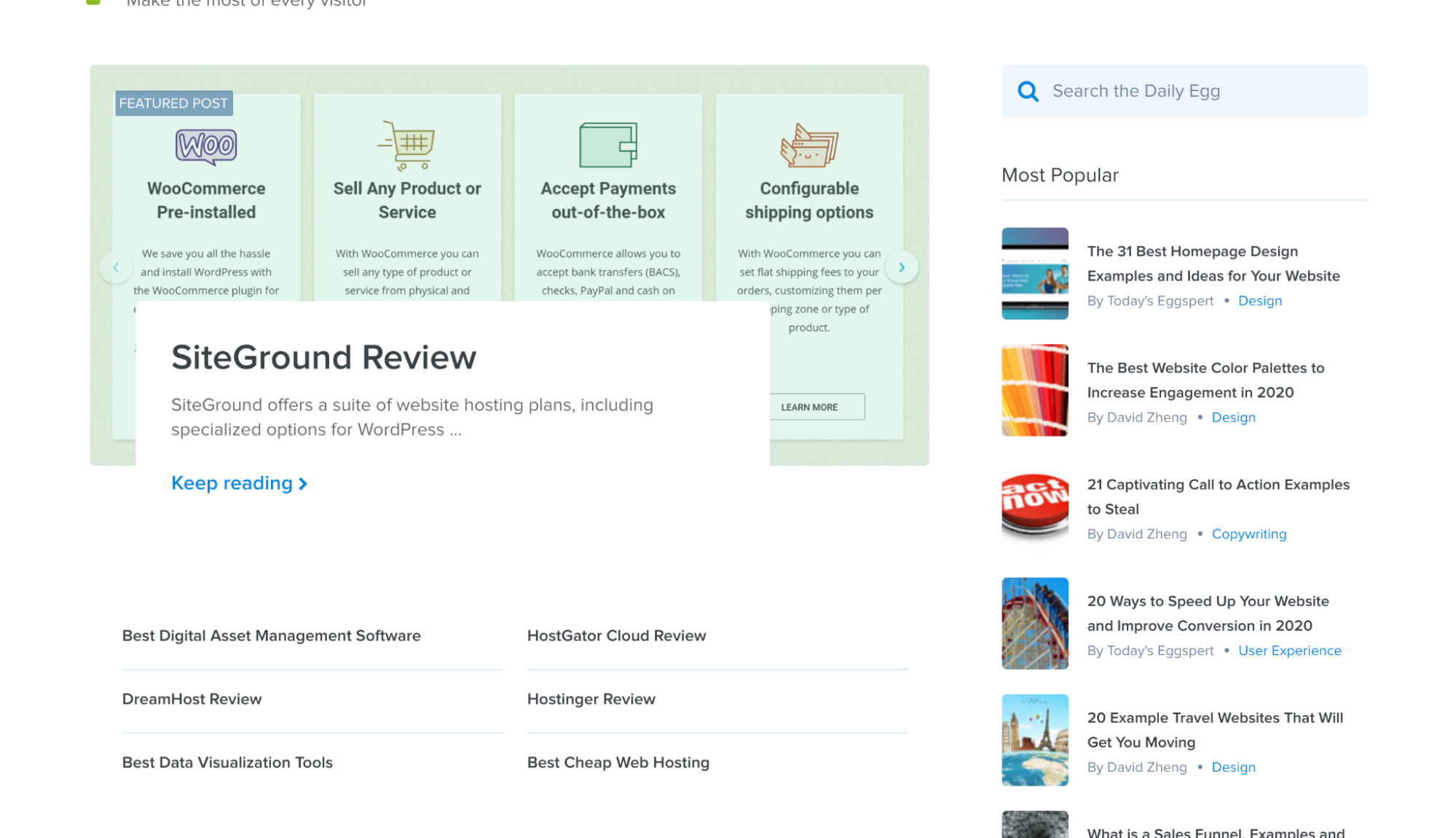
Next on your agenda should be producing high-quality content that is published according to your site structure. Here are a few examples of content you can start with:
- Homepage copy.
- Blog posts.
- Landing pages.
- Infographics.
- Social media content.
- Product descriptions.
- Custom images.
Of course, the type of website you have will directly affect the type of content you create.
Whether you sell physical products, digital services, or an affiliate, every website needs high-quality content. Don’t make the mistake of treating content as secondary; it matters—a lot.
5. Implement Promotion and Marketing Strategies:
The rule is simple: The more traffic your website gets, the more money you make. Naturally, ensuring high traffic is an essential part of making money from a website.
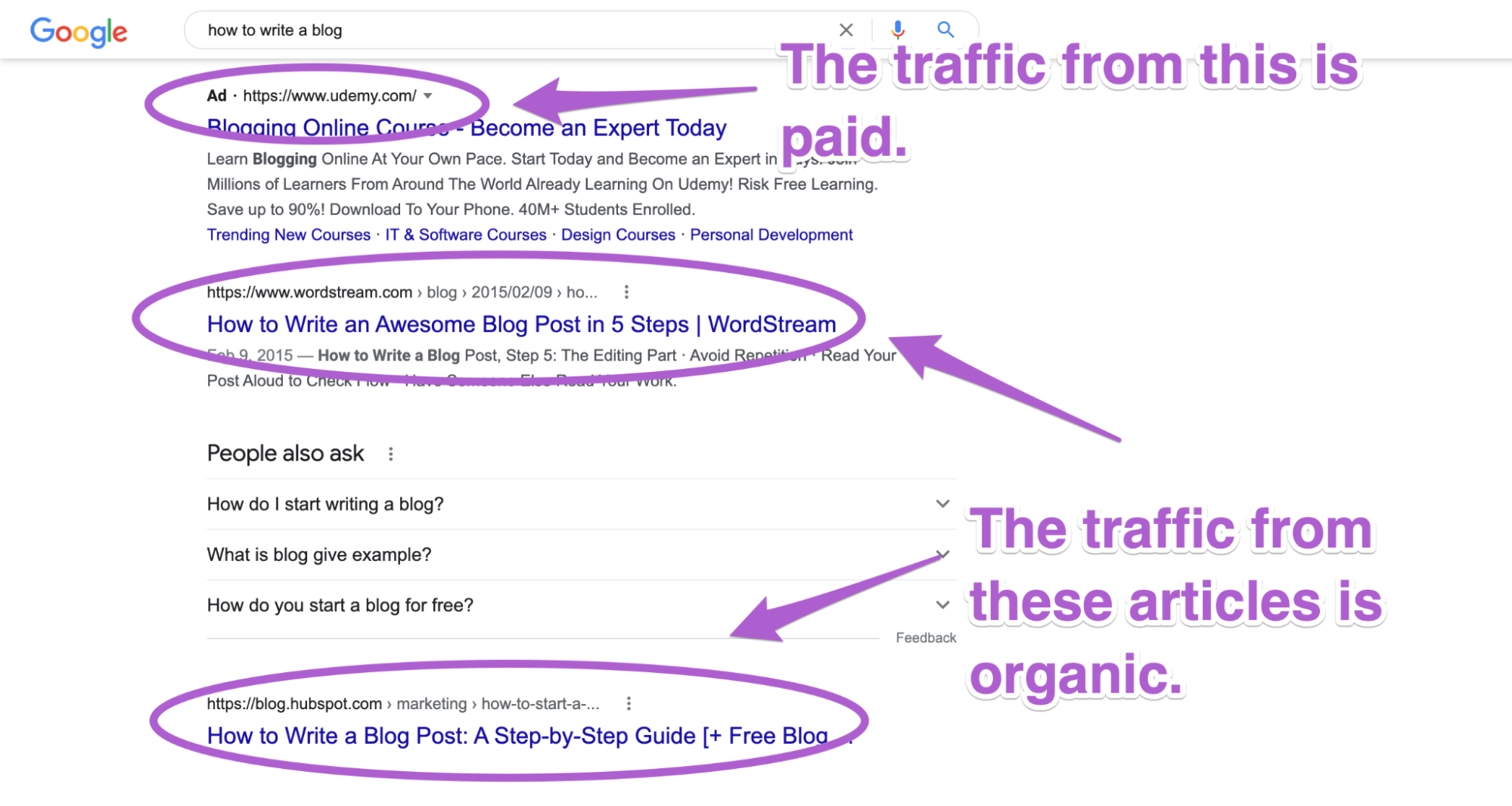
You can experience two types of traffic: paid traffic and organic traffic. As the name suggests, the former involves a considerable up-front investment, while the latter is mostly free.

You must be logged in to post a comment.