
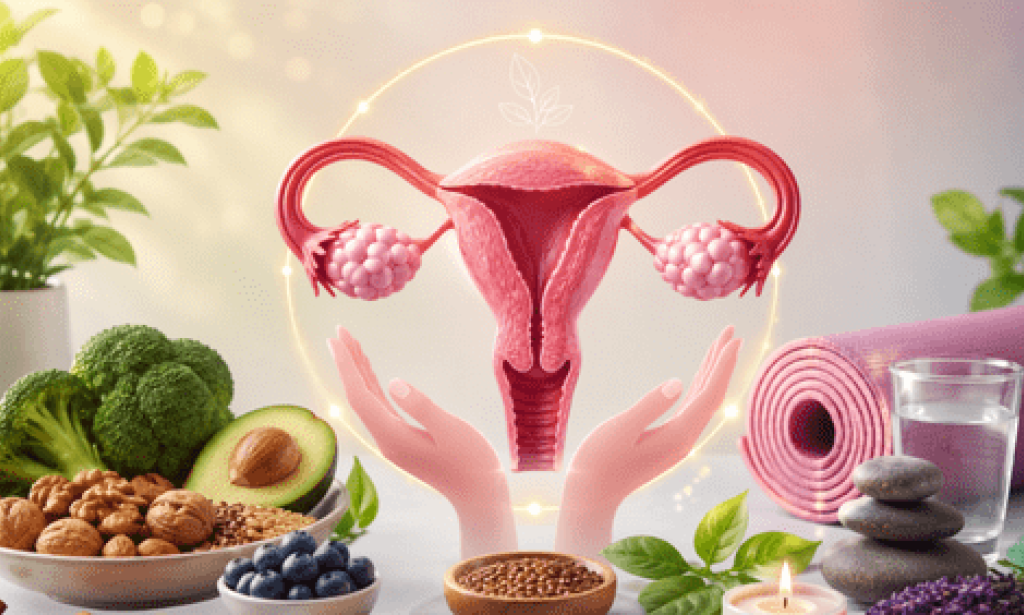
Ovulation is one of the most important parts of a woman’s reproductive cycle. It is the process where a mature egg is released from the ovary and becomes available for fertilization. If ovulation does not happen regularly, it can become difficult to conceive. Many women look for safe and natural ways to improve their fertility before considering medical treatment. Learning how to increase ovulation naturally can help support hormonal balance, improve reproductive health, and increase the chances of pregnancy.
Before trying natural methods, it is also important to understand the most common causes of female infertility, as identifying the root cause can help you choose the most effective fertility support.
What Is Ovulation?
Ovulation usually occurs around the middle of the menstrual cycle. During this time, the ovary releases a healthy egg that travels through the fallopian tube. If the egg meets healthy sperm, fertilization may occur. Women with regular ovulation generally have a better chance of becoming pregnant than those with irregular or absent ovulation.
Why Does Ovulation Become Irregular?
Several health and lifestyle factors can affect ovulation. Some women experience irregular menstrual cycles because of hormonal imbalance, stress, poor nutrition, or underlying reproductive conditions.
Some of the most common causes of female infertility include:
- Polycystic Ovary Syndrome (PCOS)
- Hormonal imbalance
- Thyroid disorders
- Endometriosis
- Poor egg quality
- Obesity or being underweight
- High stress levels
- Premature ovarian insufficiency
- Poor lifestyle habits
- Advanced maternal age
Understanding these conditions is the first step in learning how to increase ovulation naturally and improving fertility.
1. Maintain a Healthy Body Weight
Body weight plays a major role in hormone production. Women who are overweight or underweight may experience irregular ovulation. Maintaining a healthy weight through balanced nutrition and regular physical activity can help regulate menstrual cycles and improve fertility naturally.
Even losing 5–10% of excess body weight may improve ovulation in women with PCOS.
2. Eat a Fertility-Friendly Diet
A nutritious diet supports hormone balance and egg health. If you want to know how to increase ovulation naturally, start by improving your daily meals.
Include foods such as:
- Fresh fruits and vegetables
- Whole grains
- Healthy fats like olive oil and nuts
- Beans and lentils
- Eggs
- Fish rich in omega-3 fatty acids
- Seeds like flaxseed and pumpkin seeds
Avoid processed foods, sugary drinks, excessive caffeine, and trans fats that may negatively affect reproductive hormones.
3. Manage Stress Effectively
Chronic stress can interfere with hormones responsible for ovulation. High cortisol levels may disrupt the menstrual cycle and delay egg release.
Natural stress management techniques include:
- Meditation
- Yoga
- Deep breathing exercises
- Walking outdoors
- Reading
- Getting enough sleep
Reducing stress is one of the easiest ways to support how to increase ovulation naturally.
4. Exercise in Moderation
Regular exercise improves blood circulation, hormone balance, and insulin sensitivity. Moderate activities such as walking, cycling, swimming, or yoga are excellent choices.
Avoid excessive high-intensity workouts, as overtraining may negatively affect ovulation in some women.
Aim for about 30 minutes of moderate exercise at least five days a week.
5. Get Enough Sleep
Sleep directly affects reproductive hormones. Poor sleep patterns may interfere with estrogen, progesterone, and other hormones that regulate ovulation.
Experts recommend:
- Sleeping 7–9 hours each night
- Maintaining a regular sleep schedule
- Reducing screen time before bed
- Creating a calm sleeping environment
Healthy sleep habits can naturally support fertility.
6. Improve Vitamin and Mineral Intake
Certain nutrients are important for healthy ovulation and reproductive wellness.
Important nutrients include:
- Vitamin D
- Folate
- Iron
- Zinc
- Vitamin B12
- Omega-3 fatty acids
These nutrients help support healthy eggs, hormone production, and overall reproductive health. Speak with your healthcare provider before starting supplements.
7. Stay Hydrated
Proper hydration supports healthy blood circulation and hormone transport throughout the body. Drinking enough water also helps maintain cervical mucus, which supports sperm movement during conception.
Aim for at least 2–3 liters of water daily unless advised otherwise by your healthcare provider.
8. Consider Ayurvedic Lifestyle Practices
Many women explore Ayurveda as part of their fertility journey. Ayurveda focuses on balancing the body’s natural energies through healthy eating, proper sleep, stress reduction, herbal support, and daily routines.
A qualified Ayurvedic practitioner may recommend personalized dietary guidance and lifestyle modifications based on your individual health needs. These practices may complement conventional fertility care but should not replace medical evaluation when needed.
9. Track Your Ovulation
Monitoring your menstrual cycle helps identify your fertile window and understand whether ovulation is occurring regularly.
Methods include:
- Ovulation predictor kits
- Basal body temperature charting
- Cervical mucus observation
- Fertility tracking apps
Tracking cycles also helps healthcare professionals evaluate fertility concerns if pregnancy does not occur.
Learning your cycle is an important part of understanding how to increase ovulation naturally.
10. Avoid Smoking and Limit Alcohol
Smoking damages egg quality and may reduce ovarian reserve. Excessive alcohol intake can also affect reproductive hormones and fertility.
For women planning pregnancy, it is recommended to:
- Stop smoking completely
- Limit or avoid alcohol
- Reduce exposure to environmental toxins
- Maintain a healthy lifestyle
These habits support healthier ovulation and improve overall reproductive wellness.
When Should You See a Fertility Specialist?
Natural lifestyle changes can support ovulation, but medical evaluation is important if:
- Menstrual cycles remain irregular
- You have PCOS or thyroid disease
- You have been trying to conceive for 12 months (or 6 months if over age 35)
- You have a history of endometriosis or pelvic infections
- Ovulation does not occur despite lifestyle improvements
Early diagnosis allows timely treatment and improves pregnancy outcomes.
Conclusion
Understanding how to increase ovulation naturally begins with adopting healthy lifestyle habits, maintaining a balanced diet, managing stress, exercising regularly, sleeping well, and monitoring your menstrual cycle. These natural strategies can support hormone balance and improve reproductive health over time.
At the same time, knowing the most common causes of female infertility helps identify potential medical conditions that may require professional evaluation. Combining healthy lifestyle choices with appropriate medical guidance offers the best opportunity to improve ovulation, enhance fertility, and support a healthy pregnancy journey.

You must be logged in to post a comment.