
Asphalt milling and site power — where the planning gaps show up
Road resurfacing and temporary power look like separate problems until you're trying to run both on the same site. A milling operation has a fixed work window, usually set by traffic management. Everything else running that day depends on power that has to be ready before the window opens. When either element is underplanned, the other feels it.
Asphalt Milling Machines: The Truck Coordination Problem
Most milling delays aren't caused by the machine — they're caused by what's supposed to happen to the millings. The drum produces material continuously and it needs to go somewhere. If the truck alongside isn't in position, the machine stops. On a job with a tight traffic management window, that stop is time you don't get back.
Cut depth is the other variable worth verifying before the run starts. Old roads with patches and repairs don't mill evenly — harder sections slow the machine and increase tooth wear without it showing up in the pre-job survey. Knowing the surface condition in advance lets you adjust speed settings rather than discover the problem halfway through.
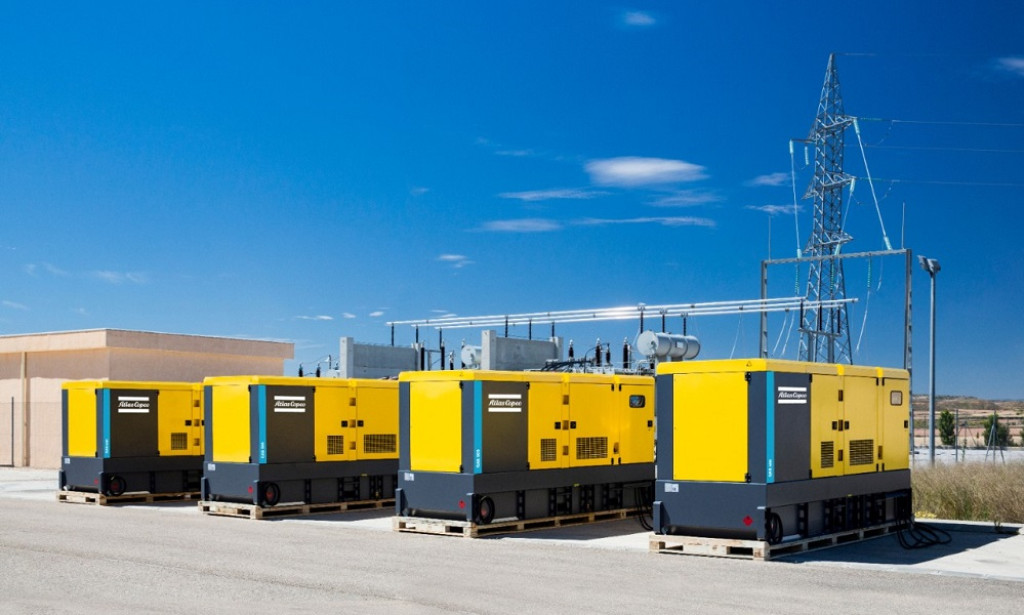
Diesel Generators: Load And Cold Starts
Fuel consumption on a diesel generator is a function of actual load, not rated capacity. A unit running at 50% load uses significantly less per hour than one running at 80%. Refuelling schedules based on the nameplate figure rather than the real running load produce budgets that don't hold — and occasionally, sites that run dry.
In winter, the start of day is where diesel generators cause the most disruption. Cold fuel, reduced battery output, and slow warm-up times combine in ways that don't matter in summer but stop a site at 6am when everything is waiting on power. Engine pre-heaters and a battery condition check before the cold months are cheap insurance against that kind of morning.
Power Generators: Load Growth And Cable Runs
Sites rarely shrink. Welfare requirements increase as headcount goes up. Offices get added. Battery charging infrastructure gets retrofitted. The generator specified at mobilisation for a lighter load is carrying more by week four — and the first sign is usually voltage instability rather than a clean trip, which is harder on sensitive equipment than an outright cutout.
Cable cross-section for long site runs gets improvised more often than it should. Resistance over a 100-metre run drops the voltage at the load end even when the generator output is correct. The fix is straightforward — size the cable for the run length and load — but it needs to be done before the cable is laid, not after the equipment at the far end starts behaving oddly.
The coordination gap
Milling, diesel supply, and power generation tend to be planned by different people. That's where most of the gaps come from. The milling contractor doesn't know what power is available. The generator gets specified without reference to what will run alongside it. Fuel gets ordered on a fixed schedule that doesn't reflect the actual load.
These aren't equipment problems. They're communication problems that look like equipment problems once the job is running. Most of them surface in a single pre-mobilisation conversation between the people planning each element — which is also the cheapest time to fix them.

You must be logged in to post a comment.