

How to find out if formalin has been used in fish for sale?
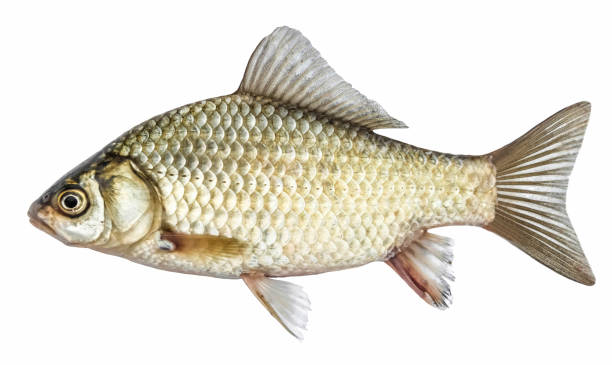
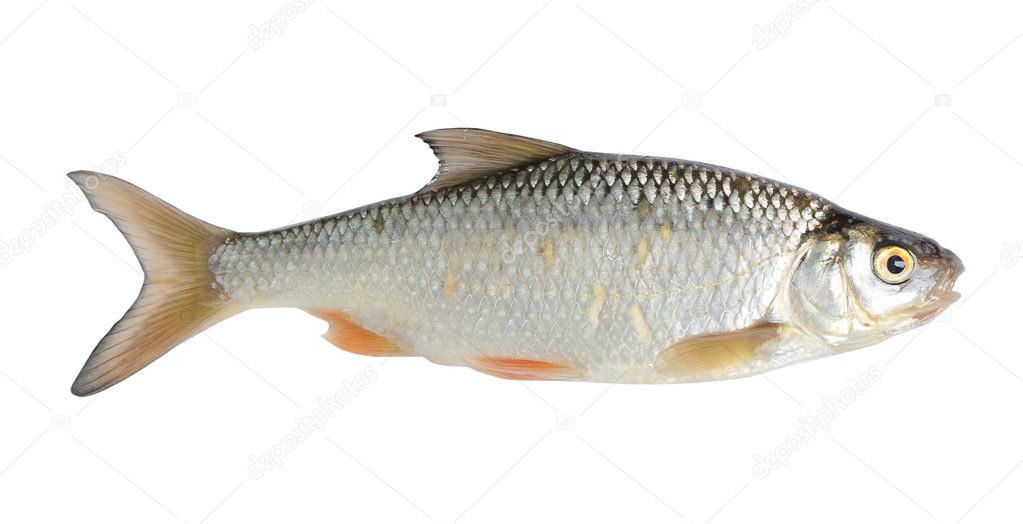
The recent formalin controversy has cast a shadow of doubt over our favorite seafood. Indian food security officials seized several tonnes of seafood mixed with formalin, including fish and shrimp. This has frightened fish eaters and led to a sharp decline in fish sales across the country.
Fish markets in Kerala, Goa, Tamil Nadu, Andhra Pradesh, and Karnataka have come under scrutiny on suspicion of selling fish contaminated with formalin.
What exactly is this controversy
Naturally, it takes several days to reach different parts of the country from where the seafood is available. Profit-oriented merchants use formalin to keep products intact longer than typically refrigerated. This will make the fish and seafood look fresh.
What is formalin?
Formalin is a solution to a colorless and toxic chemical called formaldehyde. This chemical solution is used to preserve organs and corpses. Because of this feature, it is widely used to protect perishable foods such as seafood for longer.
The use of formaldehyde (as a preservative) to preserve foods is prohibited under the Food Safety Act (2011).
However, the use of formalin continues to be widespread despite the ban.
What are the dangers of eating fish mixed with formalin?
According to the International Agency for Research on Cancer (IARC), formaldehyde consumption can cause cancer in humans (carcinogenic).
The US Environmental Protection Agency says that if used in high doses and regularly, formaldehyde can act as a carcinogen in humans.
Exposure to formaldehyde and its derivatives can lead to respiratory problems, sneezing, watery eyes, skin problems, nausea, and abdominal pain. Some experts suggest that eating fish that contain these may cause vomiting and diarrhea, and liver damage. Long-term consumption can lead to cancer and respiratory problems.
How to find out if formalin has been used in fish?
The Central Institute of Fisheries Technology (CIFT) has developed a test kit to detect the presence of formalin in fish. They are easy to use at home.
The following will help you to avoid fish with formalin;
Must have the smell of fish: The smell of seafood is familiar to us. The smell of fish can tell you about its novelty and formality! If the fish has a low odor, they should be treated with formalin. Formalin may have a pungent smell, but it should be diluted to make it clear.
Does not attract bees: Fish containing formalin does not attract bees.
Sturdy: Fresh fish will be firm but not like rubber. Fresh fish scales have a thin mucous membrane. But this will not be seen if formalin is used.
If you notice that the fishtail is short or rotten, avoid it. The tail may be neglected when most formalin is used.
Need to give up your passion for seafood?
It's not necessary, but use it with caution.
Take the following precautions when buying fish;
Buy from local retailers. It can be assumed that they will not apply such tactics.
Buy freshwater fish that you catch daily.
Don't buy rare items. Since these can be brought in from a great distance, chemicals may be used to protect them.
Learn how to identify fresh fish.
To remove the waste, catch the fish in running water at the bottom of the pipe and wash it. Soaking in water alone will not clean the fish.

You must be logged in to post a comment.