
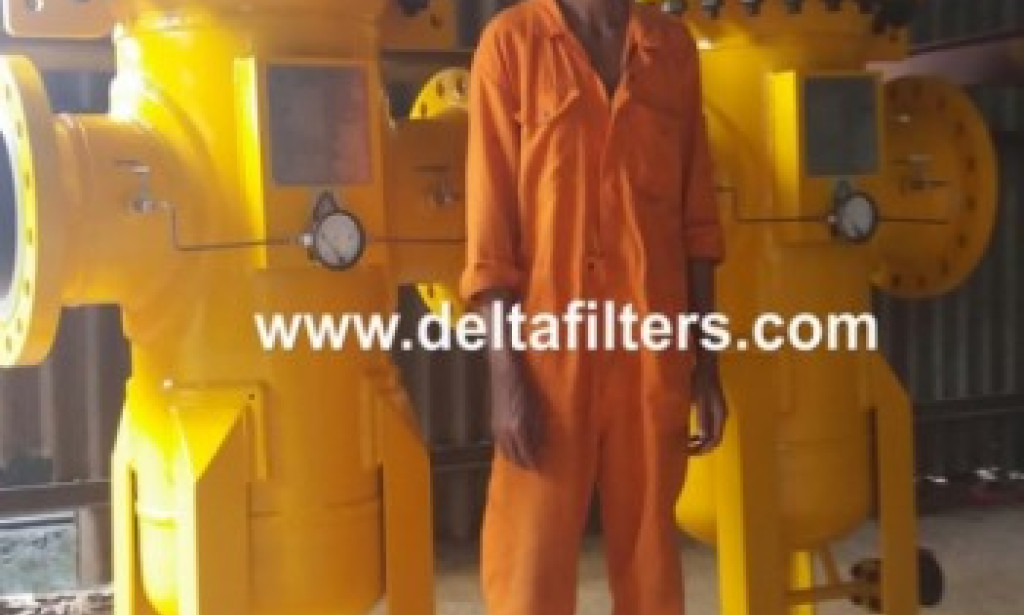
Industrial systems need a clean flow to work well. Dirt and metal particles can damage pumps and valves. A basket type strainer helps remove these unwanted particles from pipelines. It protects equipment and improves system life.
Choosing the right strainer is important. A poor choice can increase repair costs and reduce efficiency. The correct strainer keeps the system safe and smooth.
Understand Your Application
Every industry has different filtration needs. Some systems carry water. Others handle oil, chemicals, or gas.
Start by understanding your process. Think about:
-
Type of fluid
-
Flow rate
-
Pressure level
-
Temperature
-
Particle size
These points help you choose the right design.
Choose the Correct Basket Design
Different basket designs work for different systems. The design affects cleaning and operation.
-
Simplex Basket Strainer: This type has one basket chamber. The system stops during cleaning. It works well for small operations.
-
Duplex Basket Strainer: This type has two chambers. One side works while the other is cleaned. It is good for continuous flow systems.
-
Temporary Basket Strainer: This design is used during startup. It protects equipment from welding debris and dirt.
Pick the design based on your operation needs.
Check the Filtration Size
Mesh size controls how much debris the strainer can catch. Fine mesh removes small particles. Coarse mesh handles larger debris.
A very fine mesh may reduce flow. A coarse mesh may allow smaller dirt to pass through. Balance filtration and flow carefully.
Select the Right Material
Material choice affects durability. Some fluids are corrosive. Others run at high temperatures.
Common materials include:
-
Stainless steel
-
Carbon steel
-
Cast iron
-
Bronze
Stainless steel is widely used. It resists rust and lasts longer. For chemical systems, stronger materials may be needed.
Consider Flow Rate and Pressure
Every pipeline has a specific flow rate. The strainer should support that flow without creating a large pressure drop.
A small strainer can slow the system. It can also increase maintenance problems.
Before buying, check:
-
Pipe size
-
Flow capacity
-
Operating pressure
Proper sizing improves performance.
Think About Maintenance
Strainers need regular cleaning. Some systems collect more debris than others. Easy maintenance saves time and labor. Look for features such as:
-
Quick-open covers
-
Drain plugs
-
Easy basket removal
These features make cleaning simpler.
Check Installation Space
Available space matters during installation. Some strainers need extra room for maintenance.
Always check:
-
Pipe direction
-
Clearance space
-
Basket removal area
Compact designs work better in smaller spaces.
Follow Industry Standards
Some industries have strict safety rules. Food plants, chemical facilities, and oil systems may require certified products.
Make sure the strainer meets industry standards. This improves safety and system reliability.
Work With a Trusted Supplier
Quality products last longer. A reliable supplier can help you choose the correct option for your system.
Good manufacturers also provide:
-
Technical support
-
Custom sizes
-
Better materials
-
Long-term service
This helps reduce future problems.
Conclusion
The right strainer protects industrial equipment and improves system performance. Factors like material, mesh size, pressure, and maintenance should always be checked before selection.
A well-designed filtration system reduces downtime and keeps operations smooth. Delta Filters offers dependable filtration solutions for many industries, including systems that require a high-performance natural gas filter.

You must be logged in to post a comment.