
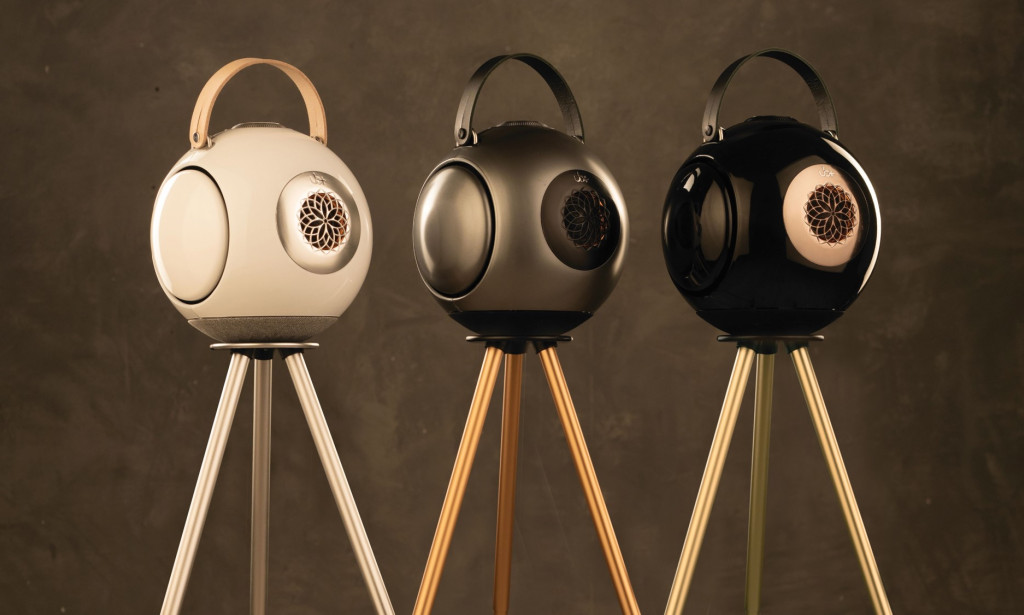
Modern living spaces are changing. Apartments are becoming more compact, bedrooms are serving multiple purposes, and home offices are now central to everyday life. As a result, people are no longer building audio systems only for large entertainment rooms. Instead, more listeners are searching for the best speakers for small room environments that can deliver immersive sound without overwhelming limited spaces.
This shift has changed the way speaker systems are designed and evaluated.
In a small room, sound behaves very differently than it does in large open spaces. Bass reflections become stronger, listening distances become shorter, and speaker placement becomes more sensitive. A speaker that sounds impressive in a showroom or large living room may feel excessive, muddy, or fatiguing inside a compact environment.
Because of this, the best speakers for small room listening are not necessarily the largest or loudest systems.
True small-room performance depends on:
- Balanced acoustic tuning
- Controlled bass response
- Intelligent enclosure design
- Proper sound dispersion
- Reduced distortion
- Comfortable near-field listening
When these elements work together, speakers create immersive and emotionally engaging sound without dominating the room.
This article explores what makes certain speakers perform better in compact spaces and how modern acoustic engineering is adapting to contemporary lifestyles.
Why Small Rooms Require Different Speaker Design
Many people assume good sound simply comes from larger speakers and higher output power.
But room size dramatically changes how sound behaves.
Small rooms naturally create:
- Stronger bass reflections
- More surface interaction
- Increased standing waves
- Shorter listening distances
These factors affect clarity, tonal balance, and listening comfort.
The best speakers for small room environments are designed to work with these acoustic limitations rather than fight against them.
Understanding Room Reflections
Every room shapes sound differently.
In smaller spaces, sound waves reflect more quickly from:
- Walls
- Floors
- Ceilings
- Furniture
- Corners
This creates a more acoustically sensitive environment.
Why Excessive Power Becomes a Problem
Large speakers designed for wide-open rooms may create:
- Overwhelming bass buildup
- Muddy midrange response
- Harsh treble reflections
- Listening fatigue
inside compact spaces.
Smaller and more controlled speaker systems often produce a more balanced experience indoors.
Why Controlled Bass Matters More Than Deep Bass
Bass behaves differently from midrange and treble frequencies.
Low frequencies spread widely throughout a room and easily accumulate in corners and enclosed areas.
Problems With Overpowered Bass in Small Rooms
Excessive bass can cause:
- Boomy sound
- Reduced vocal clarity
- Poor instrument separation
- Room resonance issues
The best speakers for small room listening prioritize controlled and balanced bass rather than exaggerated low-frequency output.
What Good Small-Room Bass Feels Like
Well-balanced bass should feel:
- Tight
- Controlled
- Warm
- Integrated naturally into the room
instead of overpowering the environment.
Compact Speakers Often Perform Better Indoors
Many listeners assume larger floor-standing speakers automatically provide superior sound.
But in small rooms, oversized systems often create acoustic imbalance.
Compact speakers frequently perform better because they:
- Integrate more naturally into limited spaces
- Reduce excessive bass buildup
- Improve placement flexibility
- Create more comfortable listening distances
Modern compact speakers can now produce surprisingly refined sound due to advances in acoustic engineering.
Driver Engineering and Near-Field Listening
Small rooms often involve near-field listening, where the listener sits relatively close to the speakers.
This changes the importance of driver design.
Why Driver Precision Matters
In near-field environments, listeners hear more detail directly from the speaker before room reflections dominate.
Poor driver control becomes easier to notice.
Well-engineered drivers improve:
- Clarity
- Tonal balance
- Stereo imaging
- Dynamic accuracy
Advanced Driver Technologies
Premium small-room speakers often use:
- Neodymium magnet systems
- Long-stroke voice coils
- Low-distortion motor structures
- Wide suspension surrounds
These technologies improve both precision and listening comfort.
Sound Dispersion and Room Coverage
Dispersion describes how evenly sound spreads throughout a room.
In compact environments, dispersion becomes extremely important.
Problems With Narrow Dispersion
Highly directional speakers may create:
- Uneven listening zones
- Harsh tonal changes
- Limited sweet spots
This becomes especially noticeable in smaller spaces where listeners frequently move around the room.
Balanced Dispersion Creates Better Comfort
The best speakers for small room listening maintain:
- Smooth off-axis response
- Consistent tonal balance
- Stable imaging across multiple seating positions
This creates a more natural listening experience.
Enclosure Design and Acoustic Efficiency
The speaker enclosure strongly affects sound behavior indoors.
Its geometry influences:
- Internal reflections
- Resonance behavior
- Airflow efficiency
- Pressure distribution
Problems With Traditional Rectangular Cabinets
Box-shaped cabinets often create:
- Standing waves
- Uneven resonance patterns
- Internal pressure buildup
These issues may become more noticeable in smaller rooms.
Curved and Spherical Enclosures
Advanced enclosure designs improve performance by:
- Reducing internal reflections
- Improving acoustic symmetry
- Minimizing resonance buildup
This creates:
- Cleaner bass
- Better imaging
- Improved tonal clarity
Some modern speakers use spherical acoustic chamber concepts because curved surfaces distribute pressure more evenly.
Stereo Imaging in Small Rooms
Stereo imaging creates the sense of spatial positioning within music and films.
Strong imaging allows listeners to perceive:
- Instrument placement
- Vocal positioning
- Depth and width
- Environmental realism
Why Imaging Matters More Indoors
In small rooms, listeners sit closer to the speakers, making imaging precision more noticeable.
The best speakers for small room listening preserve spatial detail without sounding artificial or exaggerated.
Listening Fatigue in Compact Spaces
Small rooms amplify certain frequencies more aggressively than large environments.
This can increase listening fatigue over time.
Causes of Fatiguing Sound
Common causes include:
- Harsh treble tuning
- Excessive bass resonance
- Distortion at moderate volume
- Poor acoustic balance
Comfortable Long-Term Listening
Well-designed small-room speakers should feel:
- Smooth
- Relaxed
- Balanced during extended listening sessions
This creates a more enjoyable everyday experience.
Wireless Speakers and Modern Small Rooms
Wireless speakers have become increasingly popular in compact spaces because they reduce clutter and improve placement flexibility.
Modern wireless systems allow listeners to:
- Move speakers easily
- Experiment with placement
- Reduce cable management problems
- Maintain cleaner interiors
This flexibility is especially valuable in apartments and multipurpose rooms.
Low-Volume Performance Matters
Most people listen at moderate or low volume levels inside small rooms.
Because of this, low-volume tuning becomes extremely important.
Common Low-Volume Problems
Poorly tuned speakers may lose:
- Bass warmth
- Vocal richness
- Dynamic energy
when played quietly.
Better Acoustic Engineering
The best speakers for small room listening maintain:
- Tonal balance
- Bass presence
- Clarity
- Emotional engagement
even at lower listening levels.
Speaker Placement and Small-Room Acoustics
Placement strongly affects sound quality indoors.
Even excellent speakers can sound poor when positioned incorrectly.
Better Placement Strategies
For improved performance:
- Avoid placing speakers directly in corners
- Leave space behind the speakers
- Position tweeters near ear level
- Reduce reflective surfaces nearby
- Maintain balanced left/right spacing
These adjustments improve clarity, imaging, and bass control.
Music Genres and Small-Room Performance
Different types of content reveal different speaker characteristics.
Acoustic and Vocal Music
Require:
- Midrange clarity
- Natural warmth
- Smooth imaging
Electronic and Bass-Heavy Music
Require:
- Controlled low frequencies
- Fast transient response
- Stable tonal balance
Movies and Streaming Content
Require:
- Clear dialogue
- Spatial realism
- Balanced room coverage
The best speakers for small room environments should perform consistently across all content types.
Compact Design and Modern Interiors
Modern users increasingly prefer speakers that integrate naturally into contemporary interiors.
Many listeners want systems that feel:
- Compact
- Minimal
- Elegant
- Easy to position
Large traditional systems are no longer practical for many homes.
Modern compact speakers now combine acoustic refinement with sophisticated industrial design.
Common Mistakes When Buying Speakers for Small Rooms
Many buyers focus too heavily on:
- Maximum loudness
- Large cabinet size
- Aggressive bass tuning
- Marketing specifications
while ignoring room acoustics and listening comfort.
But small-room audio performance depends more on balance and control than raw output power.
What to Look For in the Best Speakers for Small Room Listening
When comparing speakers, prioritize:
- Controlled bass response
- Balanced tonal tuning
- Smooth dispersion
- Low distortion
- Near-field listening comfort
- Flexible placement adaptability
These qualities matter more than sheer loudness.
The Future of Small-Room Audio Design
Modern speaker engineering is increasingly focused on:
- Acoustic efficiency
- Compact high-performance enclosures
- Reduced distortion
- Better room integration
- Human-centered listening comfort
The industry continues moving toward refined listening experiences instead of oversized systems designed only for maximum output.
Conclusion
The best speakers for small room listening are not simply smaller versions of large entertainment systems.
True small-room performance comes from the combination of:
- Controlled bass response
- Intelligent enclosure design
- Balanced dispersion
- Precision driver engineering
- Comfortable near-field tuning
When these elements work together properly, speakers create immersive sound without overwhelming the environment.
Modern audio design continues proving that compact spaces do not require sacrificing depth, warmth, or emotional engagement.
Ultimately, the best speakers for small room environments are the ones that create balance, clarity, immersion, and long-term listening comfort within the realities of modern living spaces.

You must be logged in to post a comment.