
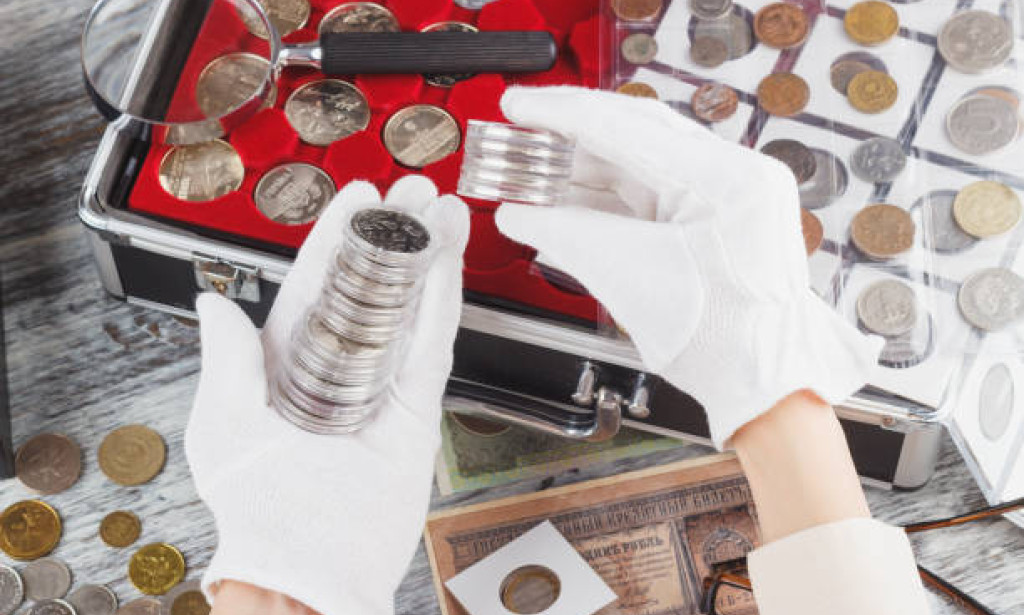
You've got a box of old coins sitting in a drawer, or maybe you inherited a collection and have no idea what any of it's worth. That's a pretty common situation, and honestly, most people in that spot feel a little lost. The problem isn't the coins. It's not knowing who to trust or how the whole process works. Walk into the wrong place and you might walk out with a fraction of what your coins are actually worth. This guide lays out exactly what to do before you show up, what to expect when you're there, and how to tell a straight dealer from one who's going to waste your time. If you're looking for a Coin Dealer in Madison WI, the steps below apply directly to what you'll encounter in that process.
Do Your Homework Before You Go Anywhere
Don't walk in blind. Spend an hour or two doing basic research before you contact any dealer, and you'll feel a lot more confident. The PCGS Price Guide is free online and gives you current retail values by grade for thousands of U.S. coins. The NGC registry is another solid resource, especially if you're trying to figure out how rare a specific coin is relative to others that have been certified. For older American coins, the Red Book (officially the "Guide Book of United States Coins") is a printed reference that most serious collectors own and dealers respect.
You don't need to become an expert overnight. But knowing that your 1921 Morgan dollar in decent shape is worth somewhere in a certain range gives you a baseline. That baseline protects you. Dealers know their stuff, and that's fine, but you shouldn't be completely in the dark going in. Write down the dates, mint marks, and any obvious details about your coins before the appointment.
Also worth doing: check recently completed sales on auction platforms. eBay's sold listings (not just active ones) show what coins actually sold for, not just what sellers are asking. That's a real-world number. Combine that with the price guides, and you've got a reasonable picture.
What Coin Grading Actually Means
Grading is how the coin world measures condition. It's not complicated once you understand the scale. Coins run from Poor (barely identifiable) up through Good, Fine, Very Fine, Extremely Fine, and then into Mint State territory, which covers coins with no wear at all. The Sheldon scale puts numbers on these grades, running from 1 to 70. A Mint State 65 coin is worth dramatically more than the same coin graded Extremely Fine 40, sometimes by thousands of dollars.
This matters a lot when you're selling. Small details change everything. A coin with full original luster, sharp details, and no visible scratches will grade higher. One that's been cleaned, even gently, usually grades lower because cleaning removes the natural surface. Dealers know this instantly. You should at least know it going in so the conversation makes sense.
Third-party grading services like PCGS (Professional Coin Grading Service) put coins in sealed plastic holders with an official grade. If your coins are already certified this way, great. If they aren't, a good dealer will still grade them in-house and explain their reasoning. Ask them to walk you through it.
How to Tell If a Dealer Is Actually Reputable
Not all dealers are equal. Some are fantastic, some are not. The American Numismatic Association (ANA) is the main professional body for coin dealers in the U.S., and members agree to a code of ethics. Checking whether a dealer is an ANA member is a quick, free filter. Not a guarantee, but a decent signal.
Look for verifiable reviews. Google, Yelp, and coin collecting forums like CoinTalk often have real feedback from past customers. If a dealer has no reviews or only suspiciously glowing ones, that's worth noting. Transparent appraisal processes matter too. A good dealer explains how they arrived at a number. A bad one just throws out a low offer and hopes you take it.
If you're specifically looking for a Coin Dealer in Madison with solid credentials and a reputation for fair dealing, ask upfront whether they provide written valuations. That alone tells you a lot. Oday Coins is one option people in the Madison area look to for this kind of service, particularly for estate collections and older U.S. coins.
What Actually Happens During an Appraisal
Here's the basic shape of it. You bring your coins in, the dealer examines them, and they give you an opinion on what they'd pay. That's a buy offer, not a retail appraisal. Know the difference. A buy offer is what the dealer will give you today. A retail appraisal is what the coins might sell for to a collector. Those numbers are not the same, and they shouldn't be, because dealers need to make a margin.
Bring any documentation you have. Original purchase receipts, old appraisals, or provenance information (where the coins came from) can add context and sometimes value. Ask the dealer to explain each coin's grade and why. Ask what the current demand is for that type. Ask whether a coin would benefit from professional certification before selling. These aren't pushy questions. They're normal, and a decent dealer won't mind them at all.
Offers are usually structured as a flat price per coin or a bulk offer for a full collection. You don't have to accept on the spot. Get the offer in writing and take a day to think about it, especially for anything significant.
Red Flags You Should Not Ignore
Pressure is the biggest one. Any dealer who says the offer expires in the next ten minutes or pushes you to decide right now is not someone you want to work with. Full stop. That tactic exists to stop you from comparing offers.
Watch for refusal to provide written valuations. If a dealer won't put a number on paper, walk away. Also be careful with uncertified coins being sold at certified prices. If you're buying and the dealer is offering a coin they claim is Mint State 65 quality but it has no third-party certification, you're trusting their word alone. That's a risk.
-
No ANA membership or verifiable professional affiliation
-
Vague or verbal-only offers with no written documentation
-
Pressure to sell immediately without time to compare
-
Unwillingness to explain how grades were determined
-
Selling uncertified coins at premium certified prices
None of these alone makes a dealer dishonest. But two or three together? That's a pattern worth taking seriously.
Frequently Asked Questions
How do I know if my old coins are actually worth anything?
Start with the PCGS Price Guide or the Red Book and look up the date and mint mark on your coins. Even coins that look ordinary can be worth real money if they're from a low-mintage year or in unusually good condition. Don't assume. Look it up first, then get a professional opinion.
Do I need to get my coins certified before selling them?
Not always. For common coins worth under a couple hundred dollars, certification costs might not make sense. But for anything valuable or rare, third-party certification from PCGS or NGC protects you and often gets you a better offer from dealers and collectors alike.
What's a fair dealer margin when buying coins from me?
It varies by coin type and market conditions, but dealers typically pay somewhere between 60% and 80% of retail value for coins they're buying to resell. Rarer coins with strong demand tend to get closer to retail. Common coins with slow turnover tend to get lower offers. That's just the business model.
Can I negotiate with a coin dealer?
Yes, and you should. Especially if you've done your research and have a sense of what the coins are worth. Dealers expect some back-and-forth. Just keep it reasonable and based on actual market data, not emotion. Saying "I saw this sold on eBay for X" is a fair thing to bring up.
What should I bring to a coin appraisal appointment?
Bring the coins in whatever containers or holders they're already in, don't clean them, and bring any paperwork you have including old receipts, prior appraisals, or notes about where the collection came from. Even basic family history about the coins can help a dealer understand what they're looking at.
Working with a good dealer doesn't have to be stressful. Do a bit of prep work, ask straightforward questions, and don't rush. The right dealer will respect that, and you'll walk out knowing you got a fair deal.

You must be logged in to post a comment.