
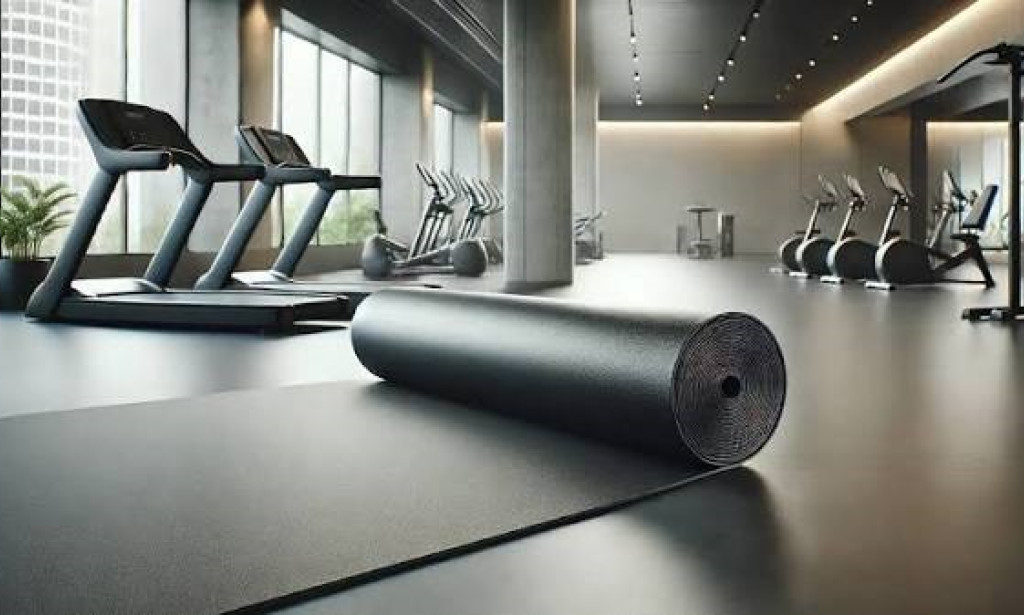
We’ve all been there—you’re in the middle of a heavy set of deadlifts or finishing up some intense HIIT work, and the last thing you want to worry about is whether your floor can handle the impact. Setting up a dedicated space at home is exciting, but if you skimp on the foundation, you’re setting yourself up for trouble later. That is exactly why choosing the right rubber gym flooring is the absolute first step for anyone serious about their fitness journey. It transforms a cold, hard corner of the room into a professional, safe, and motivating training environment.
Why Your Floor Is the Most Important Piece of Equipment
It’s easy to focus on the flashy stuff like fancy adjustable dumbbells or a high-end treadmill. But think about it: your floor is the only thing that touches every single rep you do. If your base is unstable or damaging to your equipment, you aren't training efficiently.
Protecting Your Home and Your Joints
Concrete is incredibly unforgiving. Every time you jump, run, or drop a weight, that force has to go somewhere. On a bare floor, it goes right back into your ankles, knees, and spine. Good flooring acts like a suspension system, absorbing that energy so your body doesn't have to. Plus, it protects your house foundation from the inevitable chips and scratches that come with serious training.
The Difference Between Standard Mats and Dedicated Gym Surfaces
You might be tempted to just toss down a few yoga mats and call it a day. While that’s fine for a light stretch, it won't hold up to the rigors of a real workout. Dedicated surfaces are designed to be dense, non-slip, and resilient. They don’t bunch up under your feet, and they won't tear when you slide a heavy rack across them.
The Benefits of Installing Rubber Gym Flooring
There’s a reason you see this material in every commercial gym from here to California. It is the gold standard for a reason.
Durability That Withstands Heavy Lifting
Think about how much abuse a commercial gym floor takes. Thousands of steps, heavy plates dropped from waist height, and sweat-drenched equipment—it handles it all. When you bring that same durability into your home, you are investing in a product that you won't have to replace for a decade. It stays flat, firm, and functional no matter how hard you push yourself.
Shock Absorption for High-Intensity Training
If you enjoy plyometrics or heavy compound movements, you need an environment that dampens sound and vibration. This material is naturally elastic, meaning it dissipates sound waves instead of letting them bounce off your walls. It keeps your workout quiet for the rest of the house and provides that essential "cushion" that keeps you fresh during long, grueling sessions.
Choosing the Right Thickness for Your Activities
Not every workout requires the same level of protection. If you are mostly doing floor work or light bodyweight movements, a thinner roll might be just fine. But, if you are working with heavy plates or dedicated lifting racks, you want to invest in thicker tiles that can handle the high impact. Think of the thickness as the measure of safety for your specific goals.
Simple Installation Tips for the DIY Enthusiast
One of the best things about this upgrade is how easy it is to handle yourself. Most options come in tiles or rolls that can be trimmed with a standard utility knife. You don't need a degree in construction to get a seamless, clean finish that looks like a professional installation. Just ensure your subfloor is clean and flat, and you’re halfway there.
Why Longevity Starts with Quality Flooring
At the end of the day, a home gym is an investment in your health. You want a space that encourages you to show up, work hard, and feel safe while you do it. By prioritizing materials from a trusted source like Essential Mats, you are ensuring that your training area remains an asset to your home, not a constant maintenance chore. A great floor is the silent partner in your success; it never complains, it never quits, and it gives you the confidence to lift that extra bit heavier every single day.
Frequently Asked Questions
Is it difficult to clean and maintain this type of floor surface?
Maintenance is surprisingly simple. Because the material is non-porous and incredibly durable, you don't need expensive cleaning chemicals. A simple sweep or vacuum to remove loose dust and dirt is usually enough to keep it looking fresh. For a deeper clean, a light mop with warm water and a very mild soap solution works perfectly. Just avoid harsh, solvent-based cleaners that could potentially degrade the rubber over time.
Can I install these tiles over my existing carpet or hardwood? It is highly recommended that you install these mats over a hard, flat, and solid subfloor, such as concrete or sturdy tile. Installing them over thick, plush carpet will cause the floor to be unstable and bouncy, which is dangerous when you are lifting weights. If you must use a soft surface, you would need to put down a layer of plywood first to create a rigid, flat foundation that allows the rubber to perform as intended.
Will the floor smell like rubber after I install it in my home?
When you first open a brand-new shipment, you might notice a distinct "new rubber" smell. This is perfectly normal and is the result of the curing process. The best way to dissipate this smell is to ensure the room is well-ventilated for the first few days after installation. Open the windows or use a fan, and within a short period, the odor will completely fade away, leaving you with a fresh, professional gym space.
How do I keep the tiles from sliding apart during a workout?
If you choose interlocking tiles, they are designed to snap together securely and stay in place through natural friction. If you are using loose-lay mats or rolls, you can use specialized double-sided tape or an adhesive specifically meant for rubber surfaces to ensure the edges stay put. Most of the time, the sheer weight and density of high-quality gym flooring are enough to keep it from shifting, even during intense activity.
Is this flooring safe for my children or pets to be around?
Yes, high-quality gym flooring is designed to be safe and is often made from non-toxic, recycled materials. It is durable, slip-resistant, and free from loose fibers or harsh chemicals that could pose a risk. However, as with any home improvement project, always check that you are buying from a reputable source that ensures their products meet standard safety guidelines, giving you peace of mind that your training space is safe for the whole family.

You must be logged in to post a comment.