
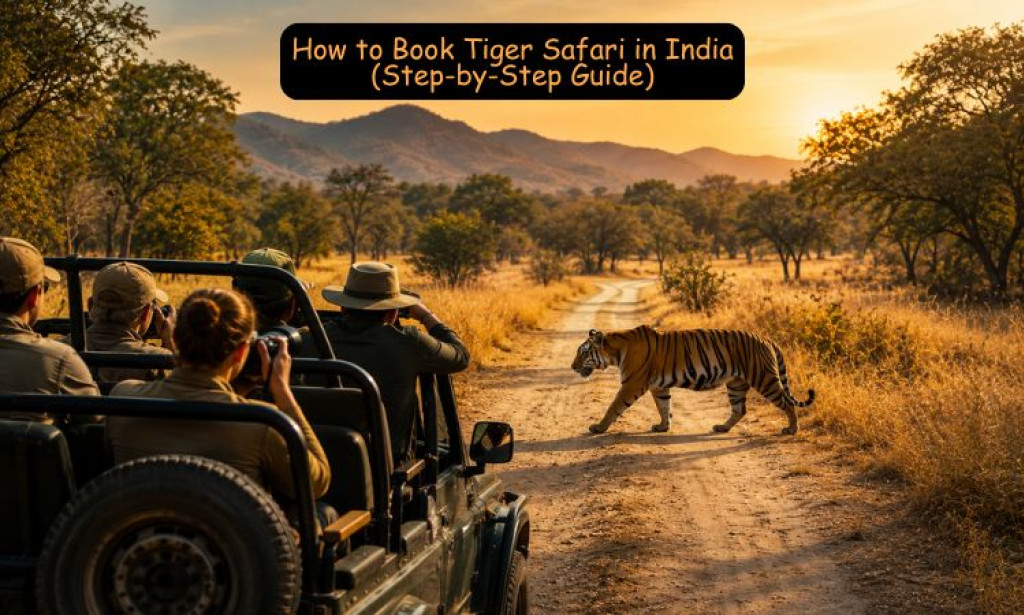
India is one of the best destinations in the world for wildlife lovers and nature photographers. With more than 50 tiger reserves spread across the country, travelers from around the globe visit India every year to experience the thrill of spotting the majestic Royal Bengal Tiger in its natural habitat.
However, many first-time travelers often feel confused about the safari booking process. Questions like “How to book tiger safari online?”, “Which tiger reserve is best?”, or “When should I book safari permits?” are extremely common.
This detailed guide explains everything you need to know about booking a Tiger Safari in India — from choosing the right national park to securing safari permits successfully.
Why Tiger Safari in India Is So Popular
India is home to nearly 75% of the world’s wild tiger population. National parks here offer incredible wildlife experiences, dense forests, scenic landscapes, and excellent chances of tiger sightings.
A well-planned Tiger Safari in India gives travelers the opportunity to explore:
- Famous tiger reserves
- Jeep safaris with expert naturalists
- Luxury jungle resorts
- Wildlife photography tours
- Rich biodiversity beyond tigers
Popular reserves like Ranthambore, Bandhavgarh, Jim Corbett, Kanha, and Tadoba attract thousands of wildlife enthusiasts every season.
Step-by-Step Guide to Book Tiger Safari in India
Step 1: Choose the Best Tiger Reserve
The first step is selecting the right national park according to your travel preferences, budget, and wildlife goals.
Here are some of the top tiger reserves in India:
Ranthambore National Park
Located in Rajasthan, Ranthambore is famous for:
- High tiger sighting probability
- Fort ruins inside the jungle
- Easy accessibility from Jaipur and Delhi
Best for:
- First-time safari travelers
- Wildlife photographers
- Family tours
Bandhavgarh National Park
Bandhavgarh in Madhya Pradesh is known for having one of the highest tiger densities in India.
Highlights:
- Excellent tiger sightings
- Beautiful forest landscapes
- Premium safari experience
Jim Corbett National Park
India’s oldest national park is ideal for:
- Nature lovers
- Birdwatchers
- Adventure travelers
Kanha National Park
Kanha inspired Rudyard Kipling’s The Jungle Book and offers:
- Vast meadows
- Rich wildlife
- Scenic safari routes
Tadoba National Park
Tadoba is becoming increasingly popular because of:
- Strong tiger population
- Budget-friendly safari options
- Less crowd compared to major parks
Step 2: Decide the Best Time for Safari
Safari booking success depends heavily on the travel season.
October to February
- Pleasant weather
- Great for families and first-time travelers
- Good wildlife sightings
March to May
- Best time for tiger sightings
- Animals gather near water sources
- Ideal for wildlife photography
June to September
Most parks remain closed during monsoon, though some buffer zones may stay open.
If your main goal is tiger spotting, summer months generally offer better visibility.
Step 3: Understand Safari Types
Before booking, you should know the different safari options available.
Jeep Safari
The most popular option.
Features:
- Open 4x4 vehicle
- Limited passengers
- Better mobility inside forest
- Excellent for photography
Canter Safari
A larger open bus safari mostly available in parks like Ranthambore.
Best for:
- Budget travelers
- Large groups
Buffer Zone Safari
Some parks offer safaris in buffer zones around core forest areas.
Advantages:
- Lower cost
- Less crowd
- Good wildlife opportunities
Step 4: Book Safari Permits Online
This is the most important step.
Most national parks in India require advance safari permit booking through official forest department portals or authorized tour operators.
Information Required for Booking
You usually need:
- Full name
- Nationality
- Government ID proof
- Travel dates
- Preferred safari zone
When Should You Book?
Popular tiger reserves often get fully booked weeks or even months in advance.
Recommended booking timelines:
- Peak season: 60–90 days before travel
- Weekends and holidays: As early as possible
- Photography tours: Minimum 2–3 months in advance
Early booking increases your chances of getting preferred safari zones.
Step 5: Choose the Right Safari Zone
Many tiger reserves are divided into multiple safari zones.
For example:
- Ranthambore has Zones 1–10
- Bandhavgarh has Tala, Magadhi, and Khitauli zones
- Kanha has Mukki, Kisli, Sarhi, and Kanha zones
Each zone offers different landscapes and wildlife movement patterns.
Important Tip
Avoid chasing only “famous zones.” Tiger movement changes frequently, and sightings are never guaranteed in wildlife tourism.
Instead:
- Trust experienced guides
- Focus on overall jungle experience
- Book multiple safaris for better chances
Step 6: Book Accommodation Near the Park
Choosing the right stay is equally important for a smooth safari experience.
Options include:
- Luxury wildlife resorts
- Mid-range jungle lodges
- Budget hotels
- Eco stays
What to Check Before Booking
- Distance from safari gate
- Naturalist availability
- Safari transfer services
- Meal inclusions
- Guest reviews
Staying close to the entry gate helps avoid early morning travel stress.
Step 7: Plan Transportation
Many travelers overlook transportation while planning a wildlife trip.
Common Travel Routes
- Ranthambore: Jaipur or Sawai Madhopur
- Bandhavgarh: Jabalpur or Umaria
- Kanha: Nagpur or Jabalpur
- Jim Corbett: Ramnagar
- Tadoba: Nagpur
You can travel via:
- Flights
- Trains
- Private cabs
Booking transfers in advance ensures a smoother journey.
Step 8: Follow Safari Rules and Guidelines
Wildlife tourism depends on responsible behavior.
Important Safari Rules
- Maintain silence during safari
- Do not feed animals
- Avoid loud music
- Stay inside the vehicle
- Follow guide instructions
Respecting nature improves the experience for everyone.
Common Mistakes to Avoid While Booking Tiger Safari
Booking at the Last Minute
Popular parks fill quickly, especially during long weekends and holidays.
Ignoring Weather Conditions
Extreme summer temperatures may not suit every traveler.
Choosing Only One Safari
Tiger sightings depend on luck and animal movement. Multiple safaris improve chances.
Not Verifying Booking Sources
Always use official portals or trusted safari operators.
Tips to Increase Tiger Sighting Chances
While sightings can never be guaranteed, these tips help improve your experience:
- Choose summer months for better visibility
- Opt for early morning safaris
- Book multiple safari drives
- Listen carefully to naturalists
- Stay patient and silent
The jungle experience itself is rewarding even beyond tiger sightings.
Why Many Travelers Prefer Guided Tiger Safari Tours
Planning a wildlife trip independently can sometimes become complicated because safari permits, zones, hotels, and transport require coordination.
Professional safari tour providers help travelers with:
- Safari permit booking
- Hotel reservations
- Transportation
- Expert naturalists
- Customized itineraries
- Photography-focused safaris
This makes the overall experience smoother, especially for international tourists and first-time wildlife travelers.
Final Thoughts
Booking a Tiger Safari in India becomes simple when you understand the process step by step. From choosing the right tiger reserve to booking safari permits early, proper planning can significantly improve your wildlife experience.
India offers some of the world’s most thrilling jungle adventures, and every safari brings a unique opportunity to witness nature at its wildest. Whether you are a wildlife photographer, nature enthusiast, or adventure traveler, a well-planned safari trip can become a lifetime memory.
If you are planning your next wildlife holiday, start early, choose trusted safari experts, and enjoy the incredible beauty of India’s tiger reserves.

You must be logged in to post a comment.