

Electric bikes are revolutionizing urban transportation, offering convenience, speed, and eco-friendly mobility. But with greater speed and power comes a higher risk of falls and collisions. Whether you’re zipping through city streets or exploring winding trails, the right protective gear can make all the difference. In this post, we’ll explore how riding body armor can safeguard you against common e-bike injuries, helping you ride confidently and return home in one piece.
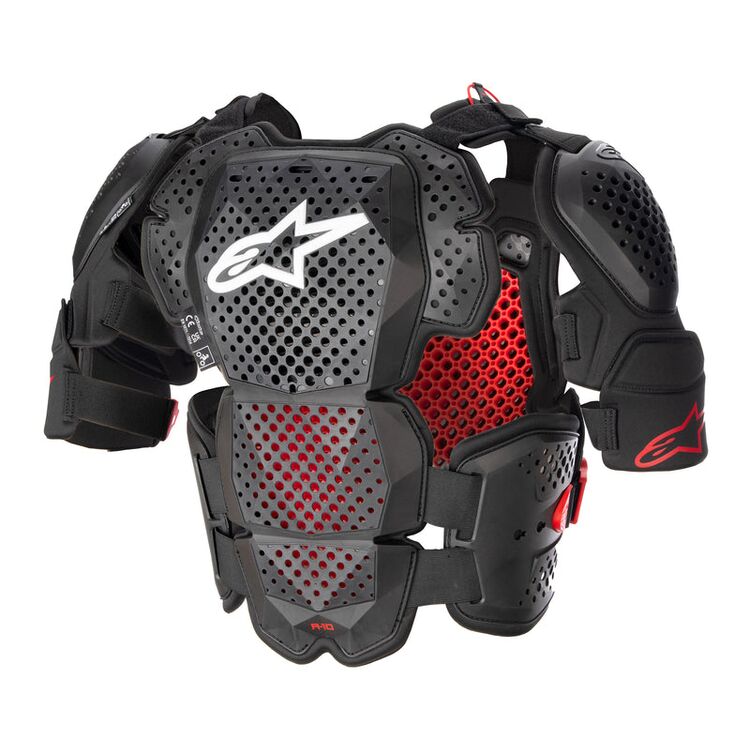
At Wyrd Ryds, we believe safety should be as integral to your ride as throttle control. Our curated collection of high-quality body armor ensures you’re equipped to handle every unexpected bump, slip, or slide. Discover how investing in proper protection not only preserves your health but also elevates your riding experience.
Understanding Common E-Bike Injuries
E-bike riders face a unique set of injury risks compared to traditional cyclists. The combination of higher speeds, heavier vehicle weight, and varied terrain can lead to:
-
Road Rash & Abrasions: Sliding across pavement or gravel often results in painful skin wounds.
-
Fractures & Impact Injuries: Falls or collisions can cause broken collarbones, wrists, or ribs.
-
Soft Tissue Damage: Sprains, strains, or bruises from sudden jolts or awkward landings.
-
Joint Injuries: Knees, elbows, and shoulders absorb force during crashes, leading to potential dislocations.
While helmets protect your head, the rest of your body remains vulnerable without comprehensive gear. Riding body armor fills that gap by shielding key areas from impact and abrasion.
How Riding Body Armor Shields You from Harm
Riding body armor isn’t one-size-fits-all; it comprises multiple protective elements designed to disperse force and resist penetration:
-
Impact Plates & Padding: Hard shells or reinforced foam on the chest, back, shoulders, and hips absorb and deflect collision forces, reducing the risk of fractures.
-
Abrasion-Resistant Fabrics: Durable textiles protect against road rash, keeping your skin intact even when you skid.
-
Joint Guards: Elbow and knee pads allow flexible movement while shielding vulnerable joints from direct hits.
By integrating these components into a single suit or vest, body armor creates a protective exoskeleton, guarding vital organs and limbs without hindering mobility.
Key Features to Look for in Riding Body Armor
Not all armor is created equal. When choosing gear, prioritize these essential features:
-
Certifications & Standards: Look for CE-rated or ASTM-approved armor. These certifications indicate rigorous testing for impact resistance and durability.
-
Ergonomic Fit: Armor should contour to your body, providing full coverage without restricting pedaling or steering. Adjustable straps and flexible panels ensure a snug, personalized fit.
-
Ventilation & Comfort: Breathable mesh panels and moisture-wicking liners prevent overheating and discomfort during long rides.
-
Weight & Bulk: Lightweight composites reduce fatigue, while slim profiles maintain a sleek appearance under your riding gear.
Selecting body armor with these features ensures maximum protection with minimal trade-offs in comfort or style.
Choosing the Right Body Armor for Your Ride
Every rider has different needs based on riding style and terrain:
-
Urban Commuters: Opt for a lightweight vest with chest, back, and shoulder protection—ideal for daily travel.
-
Off-Road Adventurers: A full-coverage jacket or one-piece suit with reinforced hip, elbow, and knee guards offers robust defense on trails.
-
Hybrid Riders: Modular armor sets let you add or remove components depending on the day’s route and speed.
Consider your typical ride—speed, traffic, surface conditions—and match your body armor accordingly. At Wyrd Ryds, our riding body armor collection includes tailored solutions for every rider profile.
Integrating Body Armor into Your Riding Routine
Incorporating riding body armor into your routine shouldn’t feel like suiting up for battle. Here’s how to make protection second nature:
-
Layer Smart: Wear armor over a lightweight base layer to reduce chafing and improve airflow.
-
Routine Checks: Inspect armor before each ride for cracks, loose straps, or worn padding.
-
Practice Mobility: Test bending, turning, and pedaling in armor to ensure full mobility before hitting busy roads.
-
Gradual Break-In: Spend short rides getting accustomed to the feel, then increase duration as you become more comfortable.
By treating your armor like any other piece of gear—essential and habitual—you’ll ride safer without sacrificing enjoyment.
Beyond Armor: Additional Safety Practices
While riding body armor is a game-changer, comprehensive safety includes:
-
Proper Helmet Use: Always wear a certified helmet that fits snugly.
-
Visibility Gear: High-vis vests, reflective strips, and LED lights improve your presence on the road.
-
Regular Maintenance: Keep brakes, tires, and suspension in top condition to prevent accidents.
-
Riding Techniques: Practice defensive riding, anticipate hazards, and maintain a safe speed for conditions.
Combining body armor with these best practices creates a holistic approach to e-bike safety.
Discover Premium Riding Body Armor at Wyrd Ryds
Your safety is our priority. Explore our curated riding body armor collection—featuring vests, jackets, and modular sets designed for peak protection:
👉Shop Riding Body Armor at Wyrd Ryds
Each piece is handpicked for quality, comfort, and performance, ensuring that you ride protected in style.
Ride Confidently, Ride Protected
E-bikes open up a world of possibilities, but they also demand respect—and the right gear. With the proper riding body armor, you’re no longer at the mercy of unpredictable road conditions or sudden impacts. You’re prepared, protected, and ready to enjoy every mile. Gear up atWyrd Ryds, and turn protection into your new riding advantage.

You must be logged in to post a comment.