

HOW MY LEADER? HOW CAN WE SELECT?
Narendra Bhai Modi
Prime Minister of India
https://www.livemint.com/politics/news/pm-modi-to-address-mann-ki-baat-today-11624751540938.html
The power of "leadership" is the power of integration. The leader excites what is best in us. He unites and focuses on what we feel only groping and shattering. He is the one person who is every man. The person who impresses me the most is not the one who does great things, but the one who makes me feel like I can do great things.
Mahatma Gandhi
Meaning and Definition of Leadership:-
No matter how small or big a social group is, its organization is done keeping some objectives in front. To achieve these objectives, the organization has to work in a particular way. Leading an organization to work in a particular way, giving the right direction to its functions, and controlling the organization is called leader, and his role in the organization (the process of accomplishing the task) is called leadership. is.
Different scholars have defined it differently.
- Definitions of Kuntz and O'Donnell; - "Leadership is the ability to influence individuals by message, to achieve an objective,"
- Definitions of Katz and Kahn; -occupies Leadership is an influence in which a person who the position of leader is affects other individuals."
- Lapierre and Farnsworth have clarified that there are two sides to leadership – the leader who leads and the other group members who accept the leadership. In this, the members of the group are influenced by the behavior of the leader, and the leader is influenced by the members of the group. But the group members are more influenced by the leader's behavior whereas the leader is less influenced by the group members. He has defined leadership on this basis.
- “Leadership is the behavior that affects the behavior of other people more than their behavior affects the leader. If you think carefully, you will come to know that-
“Leadership is a continuous process in a group through which The leader of the group guides the group. Leads the members of the group towards the attainment of the purpose or objectives and at the same time binds and controls the group.
Type of Leadership:-
Types of Leadership this type of leadership, area, area, special knowledge with the great importance of thinking and reasoning is there, in this, there is a cooperative relationship between the leader and the members of the group.
There are many types of leadership. Mary Parker Follett divided leadership into three parts; -
- Position based leadership: - When a person in a group is entrusted with the responsibility of taking work from the members of the group and he leads the group members to work, gives the right direction to their actions and with their actions If the editing is done correctly, then it is called leadership based on the position, in this leadership the person in the position is the leader and he gives orders to the people working under him, directs them and at the same time keeps control over them.
- Personality-based leadership:-leads When a person in a group based on his personality and actions and activates, guides the members of the group to achieve the objectives, then such leadership is called individual-based leadership. It is in this type of leadership, the leader activates and guides the members of the group to achieve the objectives, in this leadership the members work with their will and do it with dedication.
- Leadership based on work and ability: - When a person guides the people working in that particular area based on having specific knowledge in a particular area, then it is called leadership based on knowledge and work.
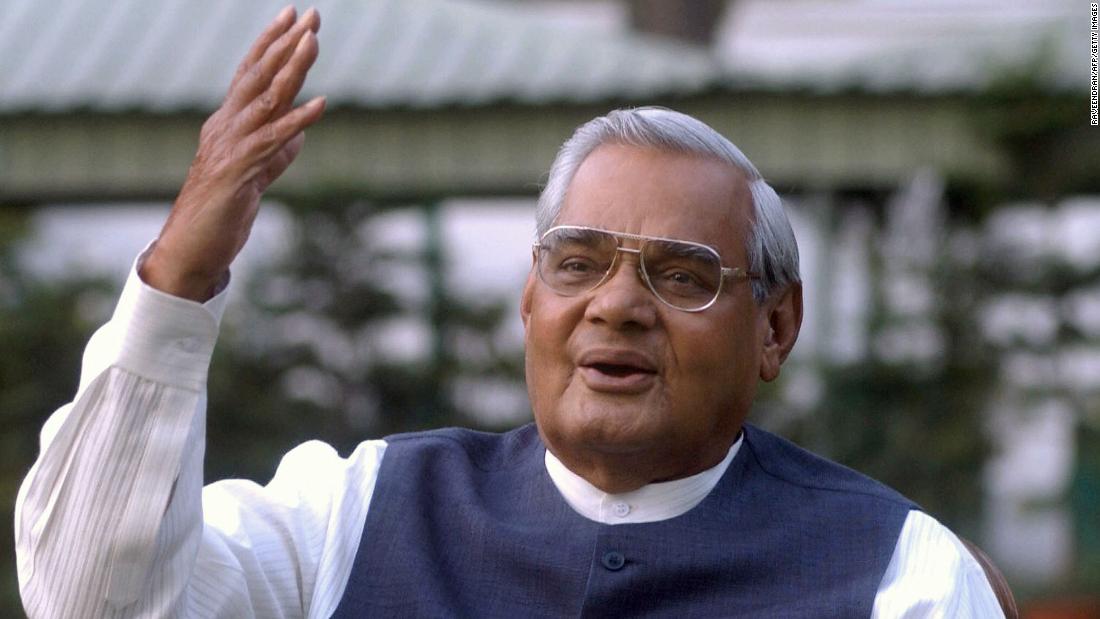
Styles of leadership:-
A leader works in some form to achieve the purpose in a group and in what form the members of the group work, these ways of working are called leadership styles, there are many styles of leadership -
the decisions of the leader in the group based on taking and taking action, the styles of leadership are divided into three parts-
-
Authoritarian Leadership:-
- This leadership has full authority to make decisions and conduct the work and conducts the work according to his wish, thus there is a centralization of authority, this leadership is task-oriented, in this the group's All the members work according to the orders of the leader. The biggest feature of this style is that there is order and discipline in the group, all the members of the group do their work properly and achieve the objectives of the group.
- Its biggest drawback is that if the decision of the leader in the group is wrong, then instead of achieving the objective, failure is achieved.
- The second drawback is that in this group members feel submissive and their morale falls.
- The third drawback is that in the absence of the leader, there is slackness and after the death of the leader, the group disintegrates.
2 . democratic leadership;
- In this leadership, the leader takes decisions from the opinion of the group, plans are made with the opinion of the group members, and the objectives are achieved with the cooperation of the group members.
- In this leadership, there is a decentralization of authority, with a large group, there are deputy leaders with leaders, and there are senior workers, with the help of all the members of the group moves forward.
- The biggest feature of this leadership is that all the members of the group are free from any kind of pressure, their morale is high, they understand their responsibility, work voluntarily, and achieve the purpose in
- this. There are some drawbacks as well, in a large group neither the opinion of all the members is taken nor the opinion of everyone can be considered. Due to the difference of opinion, all the members do not get together and sometimes there is a hindrance in the achievement of the objective
-
Non-interventionist leadership; - In
- In this leadership, the leader does not interfere in the work of the members of the group, all the members of the group do the work according to the convention of the group to achieve the objectives, the leader has minimum control over them.
- This leadership is effective in a small group of enlightened persons.
- Firstly because the self-esteem of enlightened persons is protected.
- Second, because he is trusted, his loyalty is trusted and his ability is trusted, as a result, he discharges his responsibilities with integrity and diligence.
- But this leadership does not work in any group of ordinary people, big or small.
- Without the leader's interference or minimal interference, there is no order in the group, nor does the discipline and work run uncontrollably and uncertainty, as a result of which the objective is not achieved.
The three styles of leadership, authoritarian, democratic, and non-interventionist, have their own merits and demerits. Which style of leadership should be adopted in which group depends on the nature, objectives, and members of the group. Along with this, it also depends on which circumstances the leader adopts which style and in what form.
Generally, the authoritarian style is considered more appropriate in the field of defense, and the democratic style is considered more suitable in the field of family and community. Since the non-interventionist style is not suitable in itself, but still it is more effective in a group of enlightened people!
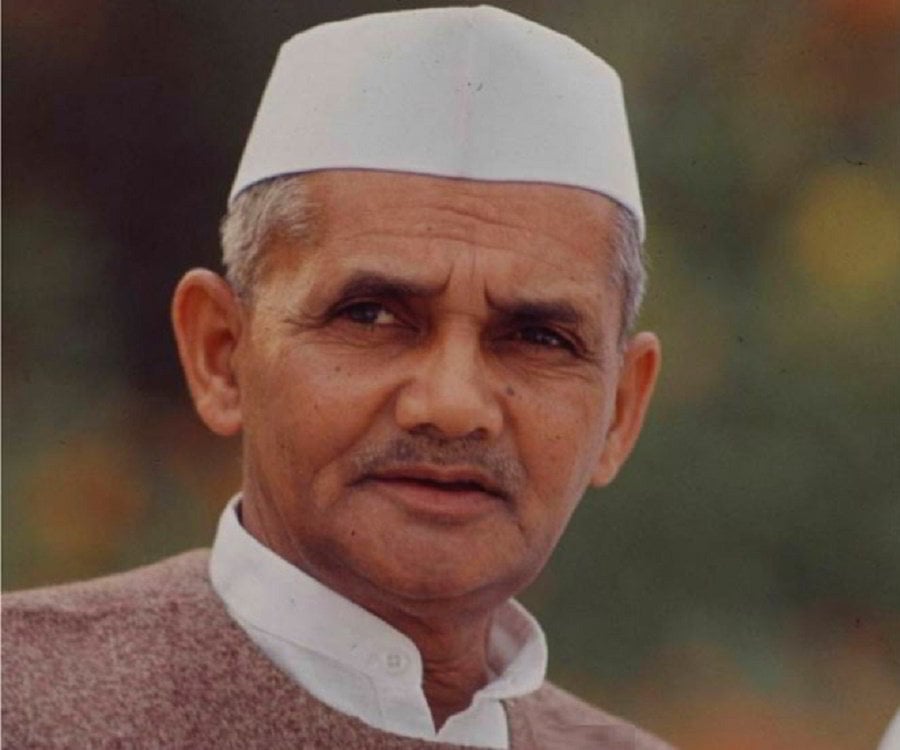
Lal Bahadur Shashtri
Characteristics of a good leader:-
Being a leader is one thing and being a leader is another thing to lead efficiently. Different people have told different qualities based on their study on what quality(s) a leader should have for efficient leadership. So today we will tell you about the qualities of a leader.
- Good physical health; -
- Whatever type of group, no matter how big or small, the leader has to do some running and some work has to be done, for this the first requirement is good health. By good health, we mean here that the internal organs of his body are functioning properly and the external organs are strong. Because without good health no person can be successful in any field.
- Studies have also found that people with a curvy body, glow on the face, and magnetic power in their eyes are more successful in leadership. If all these things happen in a leader with a healthy body, then consider it pleasant to sleep. Good
- mental health;-
- The leader in the group has to make decisions and make plans. Whether he takes or makes these decisions and plans, and whether he takes and makes with the cooperation of the members of the group, for this his mental health should be right. His thinking and reasoning power should be fully developed.
- Sometimes problems also arise in the operation of the group, it is very necessary to have the mental strength and ability in the leader to understand and solve these problems. The more the leader in whom all these mental powers are developed, the better he provides good leadership to the group.
- High intelligence;-
- Higher intelligence refers to higher cognitive intelligence and higher mental powers (thinking, reasoning, and problem-solving). Whose importance is highest in cognitive intelligence.
- Hereby high intelligence means high discretionary power. It is seen that even the decisions taken by thinking and reasoning are sometimes not completely correct. So how right are they to make this decision in this regard?
- Consciousness is required. The greater the power of discretion in a leader, the more accurately he can take decisions. Can make plans, can implement plans, and can be successful in achieving the objectives of the group.
- Good social feeling; -
- The basic attitude of social feeling and collectivism leads to joining the society. But in this innate social feeling, there is a feeling of hatred with love, a feeling of non-cooperation with cooperation, and a feeling of struggle with peace.
- The leader of the group always has to think and do in the interest of the group. So there must be social sentiments in it. For these social feelings, he must have a high level of social intelligence, only then he can differentiate between feelings. Along with high social intelligence, he should also have a high level of emotional intelligence, with the help of which he can understand the feelings of others.
- Language mastery and communication skills;-
- The leader has to interact with the group members from time to time. For this, he should have the right to the base language of communication, that is, the language in which he communicates, he should know that language well. And should also be proficient in communication skills.
- In the present era, communication cannot be done without language and effective communication cannot be done without effective language, so a leader should have authority over the language, that is, he should know the language well. If the dialogue is effective, then its effect on the people of the group will be the same and the work of the group will proceed equally well
- Confidence; -
- Confidence is essential to achieve success in any field. This is considered to be the key to success. Without confidence, the first thing is that the leader cannot take the right decision, and even if he takes the right decision, he remains in the dilemma whether he does not know whether his decision is right or not. It is the confidence of the leader that helps him to take the right decision and act according to the decision.
- Confidence is reflected in the face of the leader, in the absence of a glimpse of confidence, the leader does not have an impact on the group. It is also our experience that without self-confidence neither the leader can use effective language style nor can make the dialogue effective.
7:- Optimistic outlook; -Confidence is the key to success and the key optimistic attitude of confidence.
- It is also necessary to have an optimistic outlook in a leader. Generally, a leader who has confidence is optimistic, has full confidence that the decisions he has taken and the plans he has made for the success of the group will prove to be effective.
- But whenever the success does not come as expected, the leader becomes disappointed, but if he has an optimistic attitude with confidence and expects good results, then he can make necessary changes in his decisions and plans without getting disappointed. Leads the group on the path of success...
8:- Initiative; -
- to the general sense of initiative is. In the context of leadership, it means- whether any decision is to be taken in the group, whether a plan is to be made in the group and whether a plan is to be implemented in the group, the leader should be ahead in all these tasks. The task of the leader is not only to guide the group and lead the group towards the task. Rather, he should take the initiative in the implementation of the plans of the group. Go ahead and participate, only then the members of the group will follow him and carry forward the work of the group.
- The leader has to take the initiative once, after that the group members themselves complete the task. For example:- If a decision is taken to donate blood in the group, then the leader should first donate blood. This initiative of his will act as guidance and all the members of the group will donate blood according to the decision of the group.
9: - General and specific knowledge; - For efficient leadership, the leader should have general knowledge related to life as well as specific knowledge related to the group, he should have a clear knowledge of the purpose and objectives of the group. In the absence of this knowledge, he can neither take the right decision nor make plans.
10:- Insight and vision;- The leader has to think about the present of the group as well as the future of the group. And for that, he must have both insight and farsightedness. Only from these points of view can he predict the future. And can find solutions to future problems.
11:- serious and humorous; - is serious without having to be critical of the leader. It is very important that he can not keep control of the group. He also has to be serious to get work from the members of the group. Along with the seriousness, he also has to have humor. Vinod creates a happy atmosphere among the members of the group. And the members do their work with enthusiasm.
Behavior; - DemocraticDemocratic behavior is the main basis of leadership. In practice, the leader respects the members of the group, treats them with love, empathy, and cooperation, respects the purpose of the group, the actions of the group, and the members.
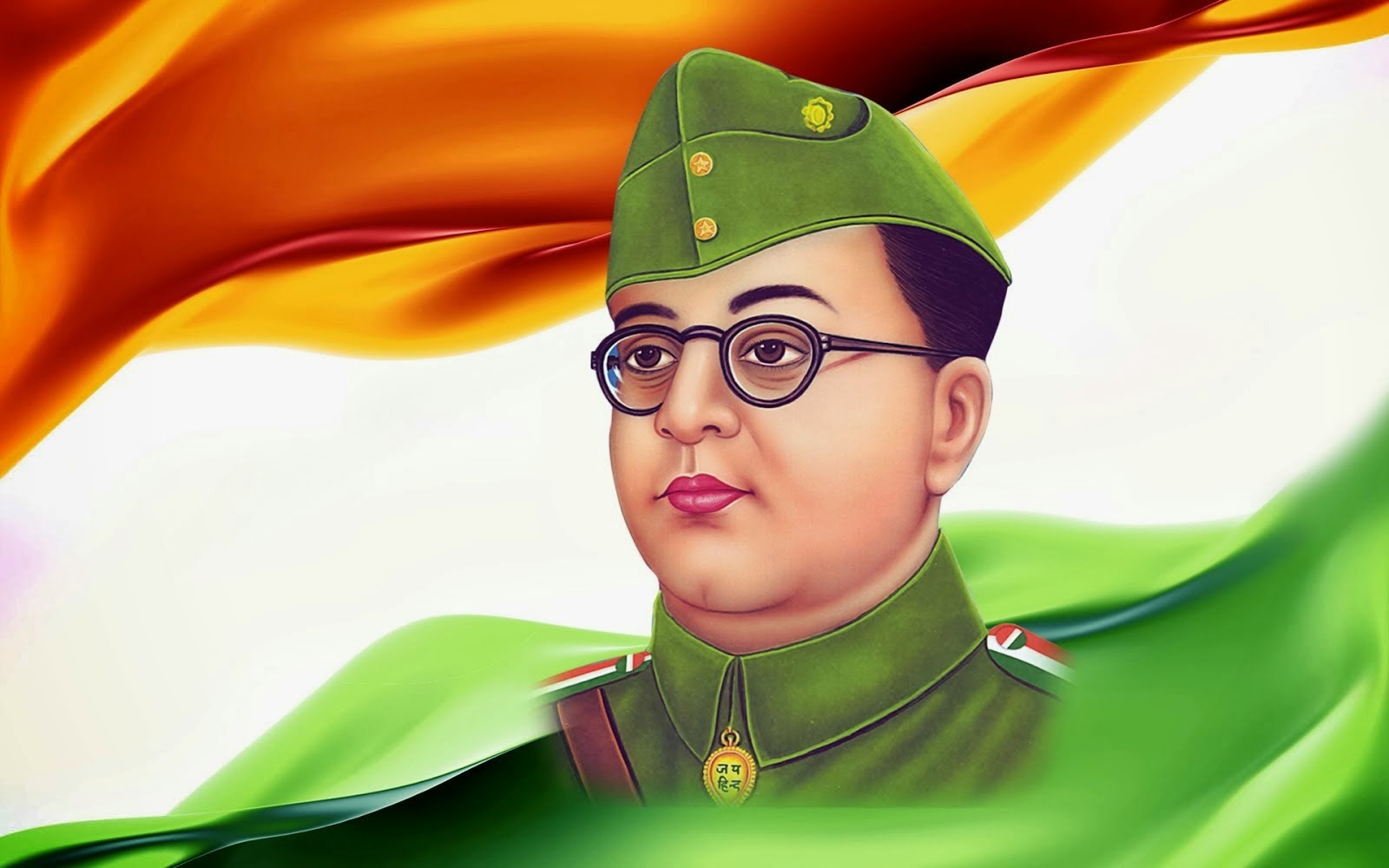
Subhash Chandra Bose
Conclusion:- To be a successful leader, a manager must possess the qualities of vision, drive, initiative, self-confidence, and personal integrity. Different situations may demand different types of leadership.
Total words - 2479 Paramanand Singh

You must be logged in to post a comment.