

In this article, we will understand headache at a basic level. You will be able to understand the difference between different types of headaches and we will know their causes and discuss their treatment
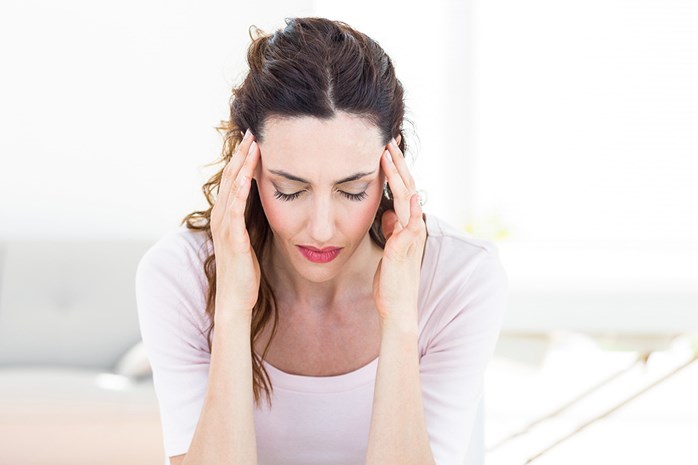
Tension headache
Tension is the most regular type of headache that each of us experiences at some point in our lives.
Stress presents itself as a pain! The pain takes hold of you gradually and increases with time. It feels like there is a lot of pressure on your head, as if someone is squeezing your head. The pain can be persistent and affect either side of your head like a tight band. Even your neck muscles can feel the pain! The pain can be all over your head or just on one side or the back of your head; Pain in your neck can have an effect too!
These headaches stay with you for a while, but can rarely last for several hours. But, tension headaches are usually not serious and most likely you can do whatever you were doing.
Tension Headache Causes and Triggers
When you feel stressed, it feels like the pain is coming from your head. However, the source of the pain is believed to be muscle tension. It involves all the muscles in your face, neck and around your head. When muscles become tense, substances called prostaglandins are released at the site of injury. Prostaglandins stimulate pain receptors, which in turn make you feel pain in and around that area.
Several triggers can be associated with the cause of a tense muscle:
Tension and worry make you anxious and tighten your muscles
You can feel pain in the neck, head and face as a result of poor posture
Constantly staring at your computer screen can strain the muscles of your face, neck and head.
When you are tired your muscles can feel sore and tense!
Loud noises, certain smells and dehydration can cause tension and muscle pain.
Tension headache treatment
Treatment may focus on stopping the production of prostaglandins when you put pressure on your muscles!
Consult a doctor
Migraine headache
Migraine headaches, commonly referred to as "migraines", are the most common form of headache. If you don't suffer from the on-going pain of a migraine, you probably know of someone who does. About one in five women and one in fifteen men are known to suffer from migraine.
You will experience migraines as severe throbbing pain in the front or sides of your head and usually affect one side of your head. But, for some, it's not just about feeling pain in and around the head. Migraines generally have a wide range of symptoms. These include being sensitive to light and/or sound. People suffering from migraines or "migraines" may feel toxic and vomit in between migraine attacks.
Migraines have four distinct phases.
Aura phase - this may or may not occur, but may be a warning sign
Headache phase
Resolution phase – where the pain goes away or stops suddenly
Recovery period – this can last for hours or even days and is known as a "hangover" type of feeling
There is a possibility of suffering from migraine with or without aura. There is also the possibility of having aura and other symptoms associated with migraine - but without the headache. Such cases are defined as silent migraine.
Migraine causes and triggers
Migraines can be triggered by abnormal brain activity, which temporarily affects nerve signals, chemicals, and blood vessels in your brain. It is likely to be related to the genes that respond to certain triggers!
Few migraine sufferers know what triggers their migraine and how to avoid it. But again, there are many possibilities and these vary widely between each victim. Certain food products, less sleep and hormonal changes can trigger migraines. Some migraine sufferers should write in a diary what their possible triggers may be.
Migraine treatment
There are many treatments that can help migraine sufferers. These may include pain relief medication, which focuses on stopping attacks before they start. However, the majority of sufferers will need to take acute medication as soon as they feel a migraine is about to begin. Pain relievers can be administered after taking permission from the doctor. Migraine sufferers may also need to take anti-inflammatory medication for the purpose of relieving pain. Ice packs, hot water bottles and applying pressure to the pulse points on the body may also be useful in the case of some sufferers.
Cluster headaches
Cluster headaches are very rare. Only 1-2 out of every 1000 people suffer from this type of headache. They can be more painful and dangerous than migraines. Men suffer from cluster headaches more than women and it is found to be more common among chain smokers.
Cluster headaches are experienced in groups or "clusters". one to eight each day over several weeks or monthsSometimes there is a headache. Headaches usually begin during the night, mostly an hour or two after suffering. After such a headache spell, a sufferer may not experience a headache for a while.
What does a cluster headache feel like?
Sharp pain is felt around and behind one eye. For a lot of sufferers, it's the same side every time. But for others it may be different, sometimes left, sometimes right. But always on one side.
Cluster headache pain comes on immediately. It peaks within 5 to 10 minutes and lasts 30 to 60 minutes at that level. It can go on for a long time, but not more than three to four hours. The pain stops suddenly and the sufferers get great relief.
People suffering from cluster headaches feel very agitated and anxious during an attack. They are completely unaware of how to handle the situation, because the pain is so severe. They may need to move up and down in an attempt to better tolerate the pain. Victims can go to extremes to cope with the pain, to make it a comfortable way to restore the pain!
If the pain itself was not intense enough, a cluster headache brings with it its own set of symptoms. It could be a blocked or runny nose, usually just one nostril, a red eye or swollen eyelids on the side of the sore area, and sometimes a surprisingly sweaty face!
Cluster headache causes and triggers
The exact cause of cluster headaches is still in research mode. However, it is heavily linked to the part of the brain called the hypothalamus, which plays an important role in connecting the body's nervous system to other bodily functions. There is also some genetic link to it, as 1 in 20 of those with the cluster have a family member who suffers from it.
Alcohol is one of the ingredients that triggers cluster headache pain, especially during the cluster headache period. Other triggers include the smell of petrol and paint fumes, etc. Being overdiagnosed, smoking and exercise are other well-recognized triggers. That's why it is highly advised that you stop smoking or at least reduce it.
Cluster headache treatment and prevention
Regardless of the timing of cluster headaches, medications that provide quick relief are the most preferred. Even inhaled oxygen can give you much needed relief, but it needs to be prescribed by doctors and for practical reasons, it may only be available to use at home.
In the case of migraine, preventive treatments are available for cluster headaches. These can be bought once only if prescribed by the doctor.
Sinus headache
Sinuses are the cavities present behind your chin, eyes and nose. Sinus headaches are the result of swollen sinuses and a buildup of mucus. This causes pressure in the cavities which turns into pain. For those who are suffering, the headache tends to be more severe in the morning. The reason is that mucus drainage is poorer at night, so more mucus is lost over time.
What does a sinus headache feel like
Victims feel tenderness in the area around their face and a headache in the forehead above their eyes. This is usually coupled with pulsating pain that gets worse the more you move around. There is also the possibility of swelling in your face, blurred vision and you may feel lethargic. Excessively accumulated mucus comes out of the nose!
Causes of sinus headache
An infection, similar to a cold or flu virus, can cause swollen sinuses! Facial pain and headache can tag along if there is a severe infection.
Other causes include allergies, nasal injury, nasal polyps or tumors. Traveling in an airplane with a sinus condition can also trigger this type of pain and headache. Occurs due to pressure changes in the sinus cavity as a result of changes in altitude when in flight.
Treatment for sinus headache
Treatment usually focuses on the sinus infection. This can be achieved with the help of antibiotics, although they are not useful against viral infections. Drainage of mucus can be done with the help of saline nasal spray and inhaled decongestants. A dehumidifier can help loosen mucus and thus speed up drainage. However, if the blockage in the nose is structural then it will have to undergo surgery.
Painkillers can be used on doctor's consultation
Hormone headache
Some of the headaches that women go through are hormone-related headaches. These may include menstrual migraine. In fact, over 50% of women who go through the pain of a migraine have noticed a connection with their period.
Women may have hormone headaches during menstruation as a result of a drop in the level of the hormone estrogen. There are also other hormone-related causes:
Some women suffer from fewer headaches when taking the contraceptive pill, although other women may experience frequent headaches.
As women approach menopause, they tend to go through headaches. This may be due to more frequent periods and disruptions in the normal hormone cycle.
During pregnancy,Headaches may get worse in the early weeks, but usually get better or even stop completely in the last months of pregnancy.
Preventing and Treating Hormone Headaches
Hormone headaches like migraines can be avoided by paying attention to diet, maintaining a regular sleep pattern, and keeping stress at bay.
Migraine headaches, as described above, can provide pain relief. But treatment must be customized to meet a woman's individual needs. For more advice, see your doctor if you think you may be suffering from hormone-related migraines or other types of hormone headaches!
What other factors can cause headaches?
These include excessive alcohol consumption, flu and cold-related headaches, a 'temporomandibular disorder' targeting the chewing muscles in your jaw, and obstructive sleep apnea (OSA). A head trauma, concussion and carbon monoxide poisoning can trigger headaches.
When to consult a doctor
We have discussed the different types and causes of headache here. However, if you ever have doubts about your headache, always consult a healthcare professional. If your headache is the result of a head injury, and if it becomes severe, and you experience vision problems, fever, hoarseness or nausea, seek medical attention immediately!

You must be logged in to post a comment.