

When people think about what makes a property valuable, they usually picture the house itself, the square footage, the finishes, and the layout. But long before any of that gets decided, one factor quietly shapes everything possible on a piece of land: the lot size.
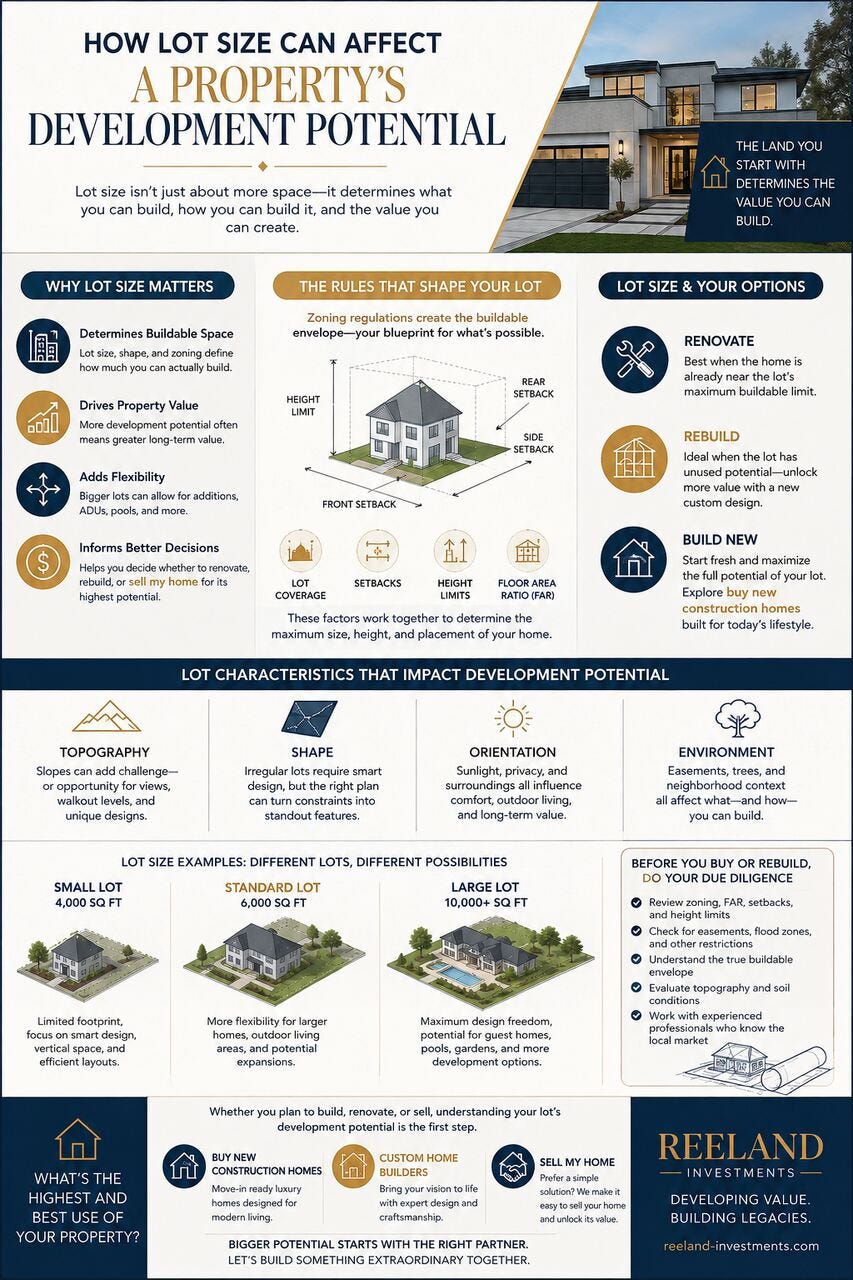
Lot size isn’t just a number on a listing sheet. It determines what you can legally build, how much flexibility you have in design, whether you can add square footage or a second unit, and ultimately, how much value a development project can create. Whether you’re a homeowner exploring your options, an investor evaluating a potential acquisition, or someone weighing whether to renovate or rebuild, understanding how lot size influences development potential can change the entire direction of a project.
Why Lot Size Matters More Than Most People Realize

At first glance, a bigger lot might just seem like more yard space. In reality, lot size interacts with zoning codes, setback requirements, height limits, and lot coverage ratios to determine the maximum buildable footprint of a home. Two lots that are the same square footage can have wildly different development potential depending on their shape, orientation, topography, and the zoning designation attached to them.
This is why experienced developers rarely evaluate a property based on the existing structure alone. The real question is: what does the land allow, and how close is the current use to maximizing that potential? A modest, dated home sitting on an underbuilt lot can represent far more opportunity than a larger, newer home already built out to its legal limit.
Zoning and Setbacks: The Rules That Shape the Lot

Every municipality has zoning ordinances that dictate how a lot can be used. These typically define:
- Lot coverage is the percentage of the lot that a structure is allowed to occupy.
- Setbacks required distances between the structure and the property lines (front, side, and rear).
- Height limits how tall a structure can be, often tied to the number of stories permitted.
- Floor Area Ratio (FAR) is the maximum allowable building square footage relative to the lot size.
Together, these rules create what’s often called the buildable envelope, the three-dimensional space within which a structure can legally exist. A larger lot generally creates a larger buildable envelope, but that isn’t guaranteed. An oddly shaped lot, a lot on a slope, or a lot with wide setback requirements can shrink the usable building area significantly, even if the total square footage looks generous on paper.
This is one of the first things a development team analyzes before making an offer on land. It’s not enough to know the lot is, say, 6,000 square feet; you need to know how much of that 6,000 square feet can actually be built on, and in what configuration.
Lot Size and Renovation vs. Rebuild Decisions
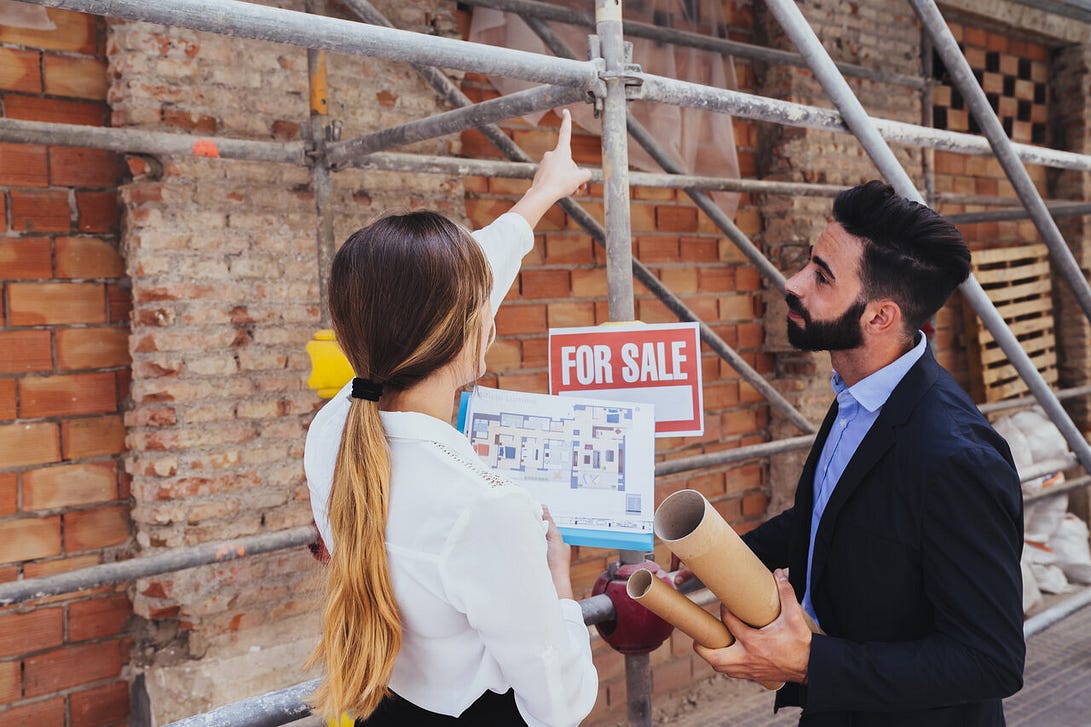
Lot size plays a major role in one of the most common questions property owners face: Should I renovate my existing home, or is it smarter to start over?
If a home sits on a lot that still has significant unused development capacity, meaning the current structure is well below the maximum allowable square footage, a rebuild or major expansion often makes more financial sense than a renovation. You’re essentially leaving value on the table by not using the full potential of the land.
On the other hand, if a home is already built close to the legal maximum for its lot, a thoughtful renovation may be the better path, since a full rebuild wouldn’t meaningfully increase the square footage anyway. In these cases, the value creation comes from improving layout, finishes, and functionality rather than adding size.
This is why lot size analysis should come before any decision about renovating, expanding, or rebuilding. Without it, owners risk either underinvesting in a property with real upside or overinvesting in a rebuild that won’t produce meaningfully more space than what’s already there.
Larger Lots and the Case for New Construction

For lots with substantial unused capacity, new construction often unlocks the most value. Building from the ground up allows for a layout designed specifically to take advantage of the lot’s full dimensions, orientation, and views rather than working around the constraints of an existing footprint.
This is also where the option to buy new construction homes in Tarzana becomes relevant for buyers who want a move-in-ready property built to current standards, without taking on renovation risk themselves. Larger, well-positioned lots tend to support these kinds of ground-up builds because they offer enough buildable area to justify the cost of demolition and new development, while still delivering strong return potential once the home is complete.
Lot size also affects the kind of home that makes sense to build. A narrow, deep lot might support a two- or three-story design with a smaller footprint, while a wide, shallow lot might be better suited to a single-story or sprawling layout. The lot dictates the architecture, not the other way around.
Smaller or Constrained Lots: Different Strategy, Not Necessarily Less Potential

It’s a common misconception that smaller lots automatically mean less development potential. In many desirable, land-constrained markets, smaller lots can still command strong value, especially when zoning allows for creative use of vertical space, accessory dwelling units, or efficient modern layouts that maximize every square foot.
The strategy simply shifts. Instead of focusing on expanding the footprint, development on a smaller lot often focuses on smart design, quality finishes, and efficient use of height and interior space. This is where working with custom home builders matters most. A generic floor plan rarely takes full advantage of a constrained lot’s specific dimensions and quirks, but a custom-designed home can be tailored precisely to maximize what the lot allows.
Topography, Shape, and Orientation
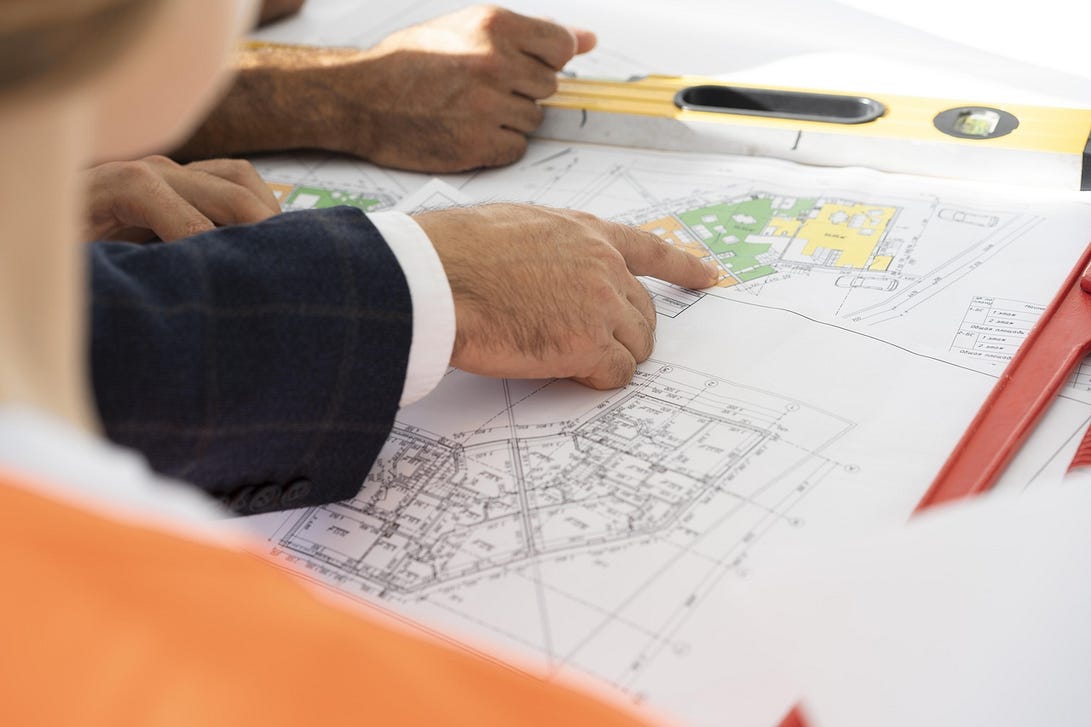
Beyond raw square footage, several physical characteristics of a lot influence its development potential just as much as its size:
Topography: Sloped lots can add construction cost and complexity, but they can also unlock features like walkout lower levels, elevated views, or multi-level designs that flat lots simply can’t offer.
Shape: Irregular or narrow lots can limit design flexibility, but they can also create unique architectural opportunities for developers who know how to work within unconventional dimensions.
Orientation: A lot’s orientation relative to the sun, street, and surrounding properties affects natural light, privacy, and outdoor living space, all of which influence buyer appeal and long-term value.
An experienced development team evaluates all of these factors together with raw lot size, because size alone doesn’t tell the full story of what a piece of land can become.
How Lot Size Affects Long-Term Property Value

From an investment standpoint, lot size is one of the most durable drivers of value. Structures depreciate and go out of style; land, especially in desirable areas, tends to hold or appreciate over time. This is why two nearly identical homes can have very different long-term appreciation potential if one sits on a larger, more developable lot than the other.
For owners considering their options, this raises an important question: is the highest and best use of the property to hold and improve it, or to sell it and let a development team unlock its potential? For property owners who’d rather not take on the complexity of construction themselves, choosing to sell my home to a firm that understands zoning, buildable envelopes, and design potential can be a more straightforward path to capturing that value, without managing permits, contractors, and timelines directly.
What to Look at Before Buying Land or a Teardown

If you’re evaluating a lot with development in mind, whether to build your own custom home or as an investment, a few due diligence steps matter more than most buyers realize:
- Pull the zoning designation and understand the FAR, setbacks, and height limits that apply.
- Check for lot-specific restrictions, such as easements, flood zones, or hillside ordinances.
- Understand the true buildable envelope, not just the raw lot dimensions.
- Factor in soil and topography, which can significantly affect construction costs.
- Talk to a team with local development experience who can translate zoning code into a realistic design and budget.
Skipping this analysis is one of the most common and costly mistakes buyers make when purchasing land or a teardown property. A lot that looks like a great deal on paper can turn into a much smaller opportunity once the actual buildable area is calculated.
The Bottom Line
Lot size is one of the most underappreciated factors in real estate development, yet it quietly determines what’s possible for almost every project, from a modest renovation to a ground-up luxury build. Understanding zoning limits, buildable envelopes, topography, and shape gives owners, buyers, and investors a much clearer picture of a property’s true potential, well beyond what the existing structure suggests.
Whether the right move is renovating within an existing footprint, building new to take full advantage of an underused lot, or selling to a team equipped to unlock that potential, the decision should always start with a clear understanding of what the land itself allows.
Frequently Asked Questions
Does a bigger lot always mean more development potential?
Not necessarily. A larger lot generally allows for more buildable square footage, but factors like setbacks, shape, topography, and zoning restrictions can significantly reduce the actual usable building area, regardless of the lot’s total size.
How do I find out what I’m allowed to build on my lot?
Local zoning ordinances outline lot coverage limits, setback requirements, height restrictions, and floor area ratios. Checking with your local planning or building department, or working with a development team familiar with local codes, is the most reliable way to determine your buildable envelope.
Is it better to renovate or rebuild based on lot size?
It depends on how much of the lot’s development potential the existing structure is already using. If a home is far below the maximum allowable square footage, a rebuild or expansion may create more value. If the home is already close to that limit, renovation often makes more financial sense.
Can a small lot still be a good investment?
Yes. Smaller lots in desirable areas can hold strong value, especially with efficient, well-designed construction that makes the most of limited space. The strategy shifts from maximizing footprint to maximizing design and finish quality.
What’s the first step if I want to sell a property with development potential?
Start by understanding the lot’s zoning and buildable capacity, since this directly affects what a buyer or developer would be willing to pay. From there, connecting with a team experienced in evaluating land and development potential can help you understand your options and get an accurate sense of value.

You must be logged in to post a comment.